
- Health Conditions A-Z
- Health & Wellness
- Nutrition
- Fitness
- Health News
- Ayurveda
- Videos
- Medicine A-Z
- Parenting
The Presidential Diet: How Is Vladimir Putin So Fit At 73?

Credits: AP, President of Russia
Russian President Vladimir Putin is in India for a two-day trip. His visit in India is not just important for the summit the two countries are going to hold, but it has also sparked curiosity among many around his fitness regime, especially at the age of 73.
As per reports, his routine is based more on consistency than intensity. Putin is known for his discipline and is known for the variety of sports and workouts he indulges in. He is also a long time judo practitioner, and also enjoys horse riding, skiing, and ice hockey.
As much as he is in love with sports, he also ensures to keep up with his diet, which, according to reports, is high in protein and low in sugar. This supports muscle recovery and energy. His diet is often referenced in Russian state media and remains one of the few recurring details about his health routine.
What Is Putin's Diet Like?
Russia Beyond reports that Putin keeps his physique in shape by sticking to a clean, fairly simple diet, even though he does enjoy the occasional treat. His mornings are usually quite routine: a bowl of porridge, some tvorog, a Russian-style cottage cheese with a bit of honey, and a couple of raw quail eggs, which he reportedly drinks straight.
Putin is also known to enjoy a drink made with beetroot and horseradish juice, a mix loaded with vitamins and iron.
He is not someone who craves sweets, so apart from honey, the only dessert he occasionally enjoys is ice cream. In interviews with Russian journalists, he has mentioned that he likes rice and buckwheat but is not a fan of oats. Vegetables, however, are a constant in his meals. He likes having a simple salad with tomatoes and cucumbers, and when choosing between fish and meat, he usually prefers fish, though he enjoys lamb as well.
His daily routine often dictates his eating habits. In the afternoon, he usually has some fruit or a glass of kefir and tends to skip dinner altogether. When he travels, he does try local dishes but keeps the portions small.
“I don’t have much time for food,” he once said in an interview. "I like vegetables: Tomatoes, cucumbers, salad. In the morning - porridge, cottage cheese, honey. If there’s a choice between meat and fish - I prefer fish, I also like lamb,” he said.
Is Putin Eating A Balanced Diet?
From a nutritional perspective, Putin’s choice of a high-protein, no-frills breakfast is exactly what many experts recommend. Meals rich in protein keep you full for longer, help curb cravings, prevent blood sugar spikes, and support steady energy levels through the day.
Research shows that protein-heavy, low-sugar breakfasts increase fullness hormones like PYY and GLP-1 far more than carb-loaded morning meals, making appetite control easier and more effective.
His habit of opting for a light snack in the evening and skipping dinner also aligns with studies that link early, low-calorie eating patterns to better weight management and improved cognitive health.
Combined with cottage cheese, eggs, and a disciplined fitness routine, Putin’s daily habits help him maintain a muscular build and stable energy levels even with a demanding schedule.
Mediterranean Diet Can Protect Against Adult-Onset Asthma, Study Finds
Credit: Canva
Asthma is usually associated with children. However, a large number of adults are diagnosed with asthma later in life, known as adult, onset asthma. A sharp contrast to childhood asthma, adult cases can be more long, lasting, difficult to control and very much influenced by environmental and lifestyle factors.
Smoking, air pollution, and workplaces are three known risk factors, but experts in the field are opening up the research to include diet as a possible factor that can be changed. New research indicates our diets may play a big role in asthma development and following a Mediterranean diet may significantly lower overall risk by nearly 50 percent.
The World Health Organization estimates that over 260 million individuals globally suffer from asthma.
What Is the Mediterranean Diet?
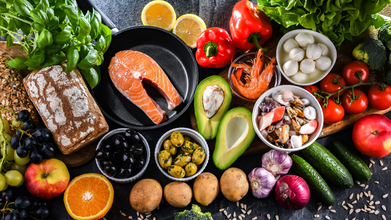
The Mediterranean diet is inspired by traditional eating patterns in countries bordering the Mediterranean Sea, particularly in places like Spain, Greece and Italy. It recommends eating:
- Fruits and vegetables
- Whole grains
- Legumes and nuts
- Olive oil as the primary fat source
- Moderate fish consumption
- Limited red and processed meats
This diet is well known for its cardiovascular benefits and its strong anti-inflammatory and antioxidant properties have prompted scientists to explore its impact on respiratory health.
The Study That Sparked Attention
A large, scale prospective study through the Seguimiento Universidad de Navarra (SUN) Project aimed at finding out if a Mediterranean diet could lower asthma in adults. The project, done by the team at Universidad de Navarra, included data from more than 17,000 university graduates who were tracked for almost 13 years in Spain.
The study participants did not have asthma at the time of registration. Their food intake was assessed through a validated Mediterranean Diet Score (scale of 0 to 9), and incidences of asthma were recorded with the help of follow, up questionnaires.
The study showed that people sticking to the Mediterranean diet the most became adults with asthma 42 percent less than those who followed the diet the least. Additionally, after changing for confounders like age, smoking, physical activity and BMI, this protective effect was still significant from the statistical viewpoint.
The study results were covered by EMJ Reviews and appeared among respiratory research publications, thus attracting the attention of the makers of the next major public health policy measure.
Why Does Diet Affect Asthma?
Essentially, asthma is an inflammatory disease as chronic inflammation of the airways causes the narrowness of the bronchi which results in symptoms. The Mediterranean diet is rich in:- Omega-3 fatty acids from fish, which help regulate inflammatory pathways
- Polyphenols and antioxidants from fruits and vegetables, which reduce oxidative stress
- Healthy monounsaturated fats from olive oil, which may support immune balance
What To Remember
The results are promising but one should keep in mind that this was an observational study. This means that the researchers found associations but not direct cause, and, effect relationships. Diet was self, reported, and although the researchers made adjustments for various confounding factors, there is always a possibility of residual bias.Some previous cohort studies have yielded inconsistent results, and experts concur that randomized controlled trials would produce more reliable evidence.
The Bigger Picture
Despite the different restrictions, the investigation still contributes to the increasing volume of literature indicating that diets affect not only cardiac health or body weight but could have impacts on lung health as well. Since diet is a changeable element by an individual, encouraging Mediterranean, type eating habits might be considered among the comprehensive approaches for forestalling chronic inflammatory diseases, such as asthma.Though additional research is necessary to be sure, the main idea is increasingly conspicuous: our diet today might determine our respiratory health over the next several years.
This At-Home Test Reveals Whether Your Jaggery Is Adulterated

Credit: TOI
Jaggery or, also commonly known as Gurr, is considered the best alternative to white sugar however, more than often, headlines such as "adulterated jaggery has been seized" dominates our daily new.
Despite its popularity and varying uses, it is one of the most commonly adulterated foods mixed with components like baking soda, washing soda or chalk powder. But now the food Safety and Standards Authority of India (FSSAI) shares how we can do a test at home to determine jaggery adulteration with baking soda.
How To Do A Home Test?
The home test can help you find out if your jaggery has been altered with baking soda. Follow the steps below:1. Take one 1/4th of a teaspoon of crushed jaggery in a glass container or test tube.
2. Now, add 3 ml of HCL acid, also known as hydrochloric acid, in a container or test tube.
3. If you see bubbles are formed, your jaggery
According to the agency, sodium bicarbonate (baking soda) reacts with acid in the natural sweetener and releases carbon dioxide in the form of bubbles.
FSSAI advises that while home tests can help identify basic forms of adulteration, they are not a substitute for laboratory testing. Only certified labs can conclusively determine the purity of jaggery and detect multiple adulterants at once.
What Are The Side Effects Of Consuming Adulterated Jaggery?
There are many side effects of consuming adulterated jaggery, as components such as baking soda or washing powder are highly alkaline. They may not affect one-time consumption, which can cause short-term health risks, such as:1. Chemical burns in the mouth, throat, and stomach lining.
2. Severe acidity
3. Vomiting
Long-term health risks may involve:
1. Organ failure: Chronic ingestion of industrial dyes and soda puts extreme oxidative stress on the liver and kidneys, which are responsible for filtering these toxins. This can lead to permanent scarring (fibrosis).
2. Hormonal imbalance: Reports from the FDA in 2025 noted that jaggery packaged in low-grade heated plastic releases phthalates and dioxins, which act as endocrine disruptors, affecting reproductive health.
3. Hidden sugar spike: Since white sugar is a common adulterant, individuals with diabetes who consume jaggery as a "safe" alternative may experience life-threatening spikes in blood glucose levels.
Why You Should Opt For Vegetarian Protein Options Rather Than Fish?
Credit: Freepik
Protein is usually talked about as the “muscle nutrient.” And while, it does help build and repair muscles, it is not the only part of the story.
Protein quietly works behind the scenes every single day. It repairs tissues after normal wear and tear, helps produce hormones that regulate mood and metabolism, builds enzymes that keep chemical reactions running, supports immunity, and even forms hemoglobin, which carries oxygen in your blood.
For years, non-vegetarian foods have been seen as the ultimate protein sources. Chicken, eggs and fish are often considered the default answer when someone talks about “high protein.”
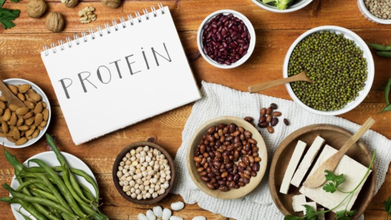
But here is the part that often gets overlooked: Non-veg is not the only way to meet your protein needs. In fact, several vegetarian foods offer comparable amounts of protein and bring additional benefits to the table. Many are rich in fiber, probiotics and plant compounds that animal foods do not provide.
When chosen wisely and balanced well, these options can support muscle repair, digestion, heart health and long-term wellness just as effectively, and in some cases, even better.
Protein is important. But where you get it from can shape your health in more ways than you might think.
1. Lentils: Steady Energy and Better Digestion
Cooked lentils provide around nine grams of protein per 100 grams, which is comparable to several types of fish. But lentils bring something extra to the table: fiber.
Fiber slows down digestion. This means glucose enters your bloodstream more gradually, helping to prevent sharp spikes and crashes in blood sugar. Over time, this can support better energy levels and improved metabolic health. Lentils are also rich in iron, which helps your red blood cells carry oxygen throughout the body.
Dr Payal Sharma, Chief Dietician at Dharamshila Narayana Superspeciality Hospital, Delhi, notes: “Lentils pack a good amount of protein, plus fiber and iron, which help with digestion and keep your energy steady all day.”
If you replace fish with lentils regularly, you may notice improved digestion and a longer-lasting feeling of fullness. For people managing weight or diabetes, that steady energy release can make a real difference.
2. Paneer: Muscle Support With Calcium
Paneer offers about 18 to 20 grams of protein per 100 grams, making it a dense and efficient protein source. Since it is derived from milk, it contains all the essential amino acids. That makes it a complete protein, similar in quality to fish.
Paneer is also high in calcium, which supports bone strength, muscle contraction and nerve signaling. While it does not provide omega-3 fatty acids like fatty fish do, it plays a strong role in maintaining muscle mass and skeletal health.
Replacing fish with paneer can maintain muscle repair and growth. However, you may need to add other healthy fat sources to your diet to compensate for the loss of omega-3s.
Dr Anshul Singh, Team Leader, Clinical Nutrition and Dietetics Department at Artemis Hospitals, says that paneer "takes a long time to digest which keeps you full longer and helps your muscles heal".
3. Chickpeas: Versatile Protein and Energy Booster
Chickpeas (chole) are another strong vegetarian protein source, offering roughly 8–15 grams of protein per cooked cup, depending on preparation.
Chickpeas not only supply protein but also complex carbs and fiber, which help regulate digestion and prevent sudden spikes in blood sugar. With steady energy release, you may feel less fatigued throughout the day.
Nutritionist Nmami Agarwal explained: “.Quinoa, lentils, chickpeas, and paneer bring real protein power to your plate”.
4. Quinoa: Complete Protein With Slow-Release Energy
Quinoa contains about five grams of protein per 100 grams cooked. While slightly lower in protein than fish, it is unique among grains because it is a complete protein.
It also provides complex carbohydrates, which release energy gradually. This supports stable blood sugar levels and sustained energy. Quinoa is rich in magnesium, a mineral that supports muscle and nerve function.
Replacing fish with quinoa can offer steady fuel for the body along with essential minerals. It works especially well when paired with legumes, vegetables, and healthy fats.
Dr Sethi highlighted that quinoa is beneficial because of its fiber content, supporting smoother digestion and overall gut wellness.
5. Greek Yogurt: Protein With Probiotics
Greek yogurt delivers around 10 grams of protein per 100 grams. It also contains probiotics, which are live beneficial bacteria. The National Institute of Nutrition highlights fermented dairy as beneficial for digestion due to its live cultures.These probiotics support gut balance, which plays a role in immunity, nutrient absorption, and even mood regulation. While fish contributes omega-3 fatty acids for heart and brain health, Greek yogurt contributes gut-friendly cultures that strengthen digestive resilience.
If you switch from fish to Greek yogurt as a protein source, you may notice improved digestive comfort. Choosing plain, unsweetened varieties is important to avoid excess added sugars.
6. Soy Foods: Plant Based Protein That Rivals Meat
Soy products are among the strongest plant-based protein sources available. Foods like tofu, tempeh and soybeans contain all nine essential amino acids, which makes soy a complete protein. That puts it in the same category as many non-vegetarian protein sources. On average, tofu provides about 10 grams of protein per 100 grams, while tempeh can offer even more.
What makes soy stand out is that it delivers high-quality protein along with fiber, iron and beneficial plant compounds called isoflavones. These compounds have been studied for their potential role in supporting heart health and hormonal balance. Soy is also naturally low in saturated fat, which may help reduce overall cardiovascular risk when used to replace higher-fat animal proteins.
For people looking to move away from non-veg options, soy products offer a reliable way to maintain muscle repair, tissue growth and overall strength without compromising on protein quality. When included as part of a balanced diet, they can support both performance and long-term health.
Dr Sharma states that "If you're into plant-based stuff, soy foods like tofu and tempeh are just as good as animal proteins".
For a long time, non-vegetarian foods have been seen as the obvious protein choice. But they are not the only option. Lentils, paneer, tofu, chickpeas, Greek yogurt and quinoa prove that you can meet your protein needs in different ways. In fact, many of these foods bring extra benefits like fiber for smoother digestion and gut-friendly bacteria that support overall health.
The real secret is balance. If you decide to replace non-veg with vegetarian proteins, just make sure your meals are varied and well planned. When you mix different protein sources and eat a range of whole foods, your body still gets everything it needs.
It is not about giving something up. It is about expanding your options and choosing what works best for your health!
- Follow Us :


© 2024 Bennett, Coleman & Company Limited