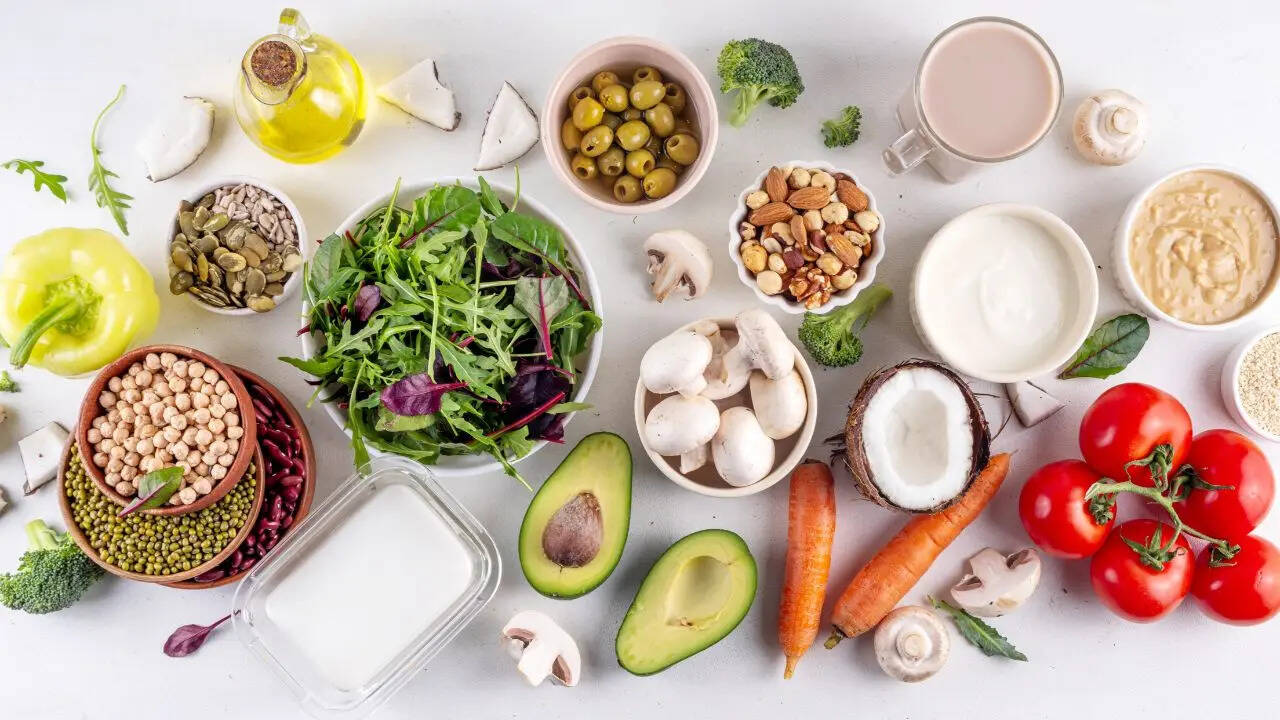
Children following vegan and vegetarian diets may be missing key nutrients, according to a group of international researchers who shared their findings on Friday.Plant-based eating has long been linked with lower risks of heart disease and stronger immunity. Yet a new peer-reviewed study, the largest of its kind, analysed 48,000 children and adolescents and found that vegetarian kids were consuming fewer calories, less protein and fat, and lower amounts of important nutrients like zinc and vitamin B12, which supports the nervous system. Vegan children showed similar patterns, with a particularly noticeable lack of calcium, which is vital for bone health.Vegan Children Are Shorter And Skinnier Than Meat-Eaters“Vitamin B12 rarely reaches adequate levels without supplementation or fortified foods, and calcium, iodine, and zinc are often at the lower end of recommended intake, making them critical nutrients for kids on plant-based diets,” said Dr. Jeannette Beasley, associate professor at New York University and one of the study’s authors.The research reviewed 59 studies across 18 countries, comparing nutritional outcomes among 7,280 vegetarians, 1,289 vegans, and 40,059 children who ate both plants and meat (omnivores).A Boost To Heart HealthWhile the study highlighted potential nutrient gaps in plant-based diets, it also showed benefits. Vegetarian children consumed more fibre, iron, folate, and vitamin C than omnivores, and both vegan and vegetarian children showed healthier hearts.They had lower levels of LDL cholesterol, the “bad” cholesterol that can clog arteries and increase the risk of heart attacks and strokes later in life.“The more animal products replace whole plant foods in the diet, the worse cardiovascular health tends to be,” said Dr. Dana Hunnes, senior dietitian at Ronald Reagan UCLA Medical Center, who was not involved in the study, as per The Independent. Vegan and vegetarian children were also shorter and had a lower body mass index than meat-eaters, which may reduce the risk of obesity and diabetes—conditions that can further impact heart health.Small Snacks, Big DifferenceAlthough plant-based diets may leave gaps in nutrients like B12 or zinc, careful planning can help children meet their needs.While animal products are naturally higher in zinc, lentils, pumpkin seeds, and cashews are excellent plant-based sources, with cashews providing nearly eight grams of zinc per cup. These can be eaten as snacks, added to soups, or blended into smoothies.For vitamin B12, plant-based children can include seaweed or shiitake mushrooms in their diet. A 100-gram serving of shiitake mushrooms contains about 5.6 micrograms of B12.According to Stanford Medicine, children should get between three and 11 milligrams of zinc depending on age, and between 0.9 and 2.4 micrograms of vitamin B12.“Our findings suggest a balanced approach is key, with families ensuring kids get enough of vitamin B12, calcium, iodine, iron, and zinc to grow and thrive,” said Dr. Wolfgang Marx, co-author and senior research fellow at Deakin University in Australia.