
- Health Conditions A-Z
- Health & Wellness
- Nutrition
- Fitness
- Health News
- Ayurveda
- Videos
- Medicine A-Z
- Parenting
What Happens If You Eat Avocados Everyday

Avocados (Credit: Canva)
Avocadoes are a known superfood packed with antioxidants and nutrients that improve blood pressure management, eye health and enenrgy production. While their creamy texture and nutty flavour make them a world favourite, they are packed with folate, magnesium, Vitamin B, potassium and Copper. This articles lists 5 changes that you experience when you eat an avocado every day.
1. Your Energy Level Changes
Incorporating avocado into your morning meal can give you a sustained energy boost. Packed with four grams of protein, 30 grams of fat, 13 grams of fibre, and 17 grams of carbohydrates, avocados provide essential nutrients for energy. These pear-like fruits are highly satiating, keeping you full longer when added to breakfast dishes like smoothies, tofu scrambles, or whole-grain toast.
2. Your Digestion Gets Better
Avocados are rich in dietary fibre, which supports gut health by enhancing the diversity of beneficial bacteria. This can lead to better digestion, a stronger immune system, and reduced risks of chronic diseases like heart disease, type 2 diabetes, and certain cancers. However, for people with irritable bowel syndrome (IBS), the sorbitol in avocados may cause discomfort.
3. Your Heart Health Improves
Adding avocados to your diet can improve heart health. Their fibre and unsaturated fats help lower LDL cholesterol, often called "bad" cholesterol. This reduces blood pressure and decreases the risk of heart disease and stroke.
4. Your Vision Is Protected
Worried about vision problems as you age? Avocados are a good source of lutein and zeaxanthin, two carotenoids that protect against oxidative damage to eye cells. Health experts advise pairing avocado with eggs and spinach, also rich in these antioxidants, to maximize eye health benefits.
5. You Have Stable Mood
Avocados may improve mental well-being by combating depression. Their monounsaturated fats nourish the brain, while potassium and magnesium promote calmness. Additionally, as a low-glycemic food, avocados help stabilize blood sugar levels, reducing mood swings and energy crashes.
6. You Could Prevent Birth Defects If You're Pregnant
If you're pregnant, avocado could help protect your baby's health. One medium avocado contains 129 micrograms of folate, an essential nutrient for preventing birth defects. One avocado won't get you to the recommended daily value of folic acid if you're pregnant but it will certainly help.
Avocado Oil
A great derivative of this superfood is avocado oil. It boasts a high smoke point of around 520°F (271°C), making it ideal for high-heat cooking methods such as sautéing and frying. This high smoke point ensures that the oil remains stable and retains its nutritional integrity even at high temperatures. Unlike some oils that degrade and release harmful compounds when heated, avocado oil maintains its beneficial properties, making it a safer choice for cooking.
Rich in monounsaturated fats, avocado oil is a heart-healthy alternative that can elevate both your dishes and your well-being. Avocadoes themselves are known to be a superfood, their oil is packed with antioxidants and is known to improve blood pressure, promote eye health etc. Unlike seed oils derived from plants like corn or sunflowers, avocado oil comes from the fruit’s creamy green flesh.
David Protein Bars Faces Lawsuits For Understating Calories And Fat Content

Credits: davidprotein.com and Instagram
David Protein Bars is facing a lawsuit that alleged that the company misrepresented the calorie and fat contents. It is a challenge for a company which is known for catering health-conscious customers.
The complaint was filed on January 23 in the US District Court for the Southern District of New York. Three individuals who bought David bars claimed that the protein bars contained "way more" calories and fat than the label noted.
As per CBS News, independent and third-party testing used a method called Atwater factors. The result showed that the number of calories exceeded the amount listed on the label as much as by 83 per cent.
Fat Content In David Protein Bars
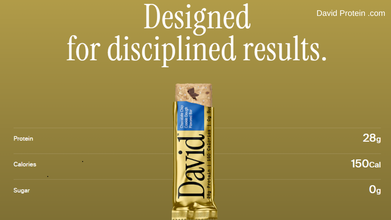
The lawsuit alleged that David Protein underestimated the fat content, as the testing revealed that the fat content exceeded by as much as 400 per cent.
As per the David Protein's website and the product label, the bar is supposed to contain 150 calories, 28 grams of protein and 0 grams of sugar. The lawsuit also stated Food and Drug Administration (FDA) guidelines that dictate that a product is misbranded if the "nutrient content of the composite is greater than 20% in excess of the value for that nutrient declared on the label."
The lawsuit names Linus Technologies as the primary defendant. The nutrition-focused company was founded by entrepreneur Peter Rahal in 2023, according to market intelligence platform Tracxn. It operates under the brand name David Protein.
Neither Linus Technologies nor David Protein immediately responded to requests for comment as reported by CBS News. However, on Wednesday the company posted a statement on Instagram that said, “No one is getting Regina Georged,” referencing the film Mean Girls, where the character Cady Heron tricks Regina George into eating a protein bar that leads to weight gain.
After the lawsuit was filed in January, Rahal told Vanity Fair that the company stands by the accuracy of its product labeling and plans to strongly contest the claim.
The David Protein bar was launched in 2024. According to Forbes, its name is inspired by Michelangelo’s famous 16th-century sculpture David.
The bars are sold in several flavors, including chocolate chip cookie and fudge brownie. A pack of 12 bars retails for $39, which works out to about $3.25 per bar.
Clear Information On Labels
FDA last year announced that in the coming next few years, food manufacturers have to put nutritional labels on the front of packaged foods. This proposal by FDA comes in the content of chronic diseases and the need for combating the same. The front-of-package labels are required for "most packaged foods", said the announcement.
Read: FDA Wants Nutrition Labels Of Saturated Fat, Sodium, And Added Sugar On Food Packaging
This announcement makes it easier for the customer to read the nutrition box that could otherwise go unnoticed, with many thinking that they are consuming something healthy. In most cases nutrition boxes are placed behind the packaging, and many ignore the content and thus continue to consume products with the presumption that it is healthy.
Experts Share 7 Essential Nutrition Tips for Managing Chronic Kidney Disease | World Kidney Day

Credit: Pinterest
Chronic Kidney Disease (CKD) is a serious, long-term condition in which the kidneys lose their ability to filter waste and excess fluids from the blood effectively, while placing immense strain on the cardiovascular system, leading to heart disease and chronic inflammation.
According to the National Institute of Diabetes and Digestive and Kidney Diseases (NIDDK), for CKD patients, food becomes more than just an energy source; health is determined not only by foods but also by their quality.
There is no universal diet for people with CKD. In its early stages, dietary restrictions may be minimal. But as the disease progresses, patients often need to adjust their dietary choices and intake.
Experts advise people with CKD to work closely with a healthcare professional or dietitian. Nutritional needs can shift as kidney function changes and personalized guidance ensures that patients receive adequate calories while avoiding foods that strain the kidneys.
1. Salt And Sodium
Managing sodium intake is critical for protecting kidney health because excess salt forces the body to retain fluid which directly spikes blood pressure. When blood pressure remains consistently high, it acts like a high-pressure force against the delicate filters within the kidneys, causing them to deteriorate faster.Doctors recommend reducing sodium intake as the most effective way to lower the pressure on these organs while preventing fluid buildup in the body. Additionally, cooking meals from scratch using natural alternatives like fresh herbs and spices provides flavor while significantly reducing systemic strain and helps maintain stable fluid levels.
2. Protein
Balancing protein intake is a delicate decision for those with CKD. While protein is essential for maintaining muscle mass, its metabolism creates a waste product called urea. When kidneys are functioning well, they easily flush this nitrogen-based waste from the blood. However, in patients with kidney disease, this process becomes significantly impaired.
As a result, it puts an unnecessary burden on the remaining functional units of the kidney accelerate further damage. Therefore, shifting toward plant-based proteins, which are typically easier for the body to process than the high-phosphate proteins, is a good choice.
It is important to note, though, that this approach is not best for those undergoing dialysis treatment, as they require increased protein to compensate for the significant amount lost during the treatment process.
3. Potassium
Potassium plays a vital role in helping muscles and nerves function properly but can become a serious health risk when damaged kidneys are unable to remove the excess from the blood. This messes up with electrical signals that control the heart's rhythm, which may lead to dangerous heart palpitations or even sudden cardiac arrest.
Moreover, potassium is hidden in many healthy-looking foods like bananas and potatoes; patients must be extremely cautious with their dietary choices. That's why it's good to consult a doctor who may recommend specific preparation techniques, such as leaching or boiling vegetables in large amounts of water, to pull the potassium out before eating. Managing intake through careful food selection and modified cooking methods is a fundamental step in preventing life-threatening complications.
4. Phosphorus
Maintaining a proper balance of phosphorus is critical as diseased kidneys can no longer filter this mineral effectively. While phosphorus is found naturally in foods like dairy and beans, it is the artificial additives in processed products that are most dangerous, as the body absorbs them almost entirely.As a result, phosphorus levels in the blood skyrocket, and the body begins to pull calcium out of the bones to compensate leading to osteoporosis.
Furthermore, this excess mineral buildup can settle in the blood vessels, causing them to stiffen and increasing the risk of heart disease. Therefore, patients need to prioritize fresh foods and carefully check ingredient labels for hidden additives to protect both their skeletal and cardiovascular systems.
5. Daily Fluid Intake
The kidneys' primary function is to flush out the excess liquid from the body. However, with the CKD patients, the kidneys fail to do so, leading to swelling of extra fluid in the legs and arms. Furthermore, too much water increases blood pressure, which also puts a massive strain on the heart, making it vital to follow the specific daily limit set by a doctor.6. Heart-healthy Fats
The heart and the kidneys have an interconnected relationship. While the kidneys clean the blood from waste, the heart circulates that blood to the body. However, in CKD patients kidney fail to do so, the heart would be working too hard, leading to chronic inflammation with toxins in the blood.
That's why dieticians suggest not eating saturated fat foods such as butter, fried food and fatty meats, creating blockages called cholesterol in blood vessels, making it harder to let blood flow freely. whereas heart-healthy foods such as fats from avocados, nuts, and olive oil help in smooth blood flow.
7. Eat Enough Calories
Skipping meals is highly risky for patients with CKD as their kidneys are already exhausted. If the body does not receive enough energy from food, it begins to break down its own muscles leading to malnutrition, muscle loss and accelerated kidney decline.Additionally, inadequate nutrition causes extreme fatigue, weakened immunity and fatal nutrient imbalances. Dietitians encourage patients to obtain energy from nutritious foods so the body maintains strength while coping with the disease.
Avoid These Foods To Reduce Your Risk Of Chronic Diseases

Credits: Canva
What you eat does far more than simply fuel your day. Over time, the quality of food, the way it is prepared, and how often it appears on your plate can significantly influence long-term health. Increasingly, research shows that certain types of foods may quietly contribute to inflammation, metabolic dysfunction, and chronic illnesses such as heart disease, diabetes, and cancer.
Researchers at the VCU Massey Comprehensive Cancer Center have been exploring how diet and environmental factors shape health outcomes. Scientists there are particularly studying compounds called advanced glycation end products (AGEs) and their connection to chronic diseases.
Why Ultra-Processed Foods Are A Concern
Recent dietary recommendations from the United States Department of Health and Human Services emphasize a simple principle: eat real food and cut back on ultra-processed products.
Ultra-processed foods include packaged snacks, highly refined products, and foods loaded with added sugars. These foods are designed for convenience and long shelf life, but research increasingly links them to poor health outcomes.
Experts studying nutrition note that most research examining ultra-processed foods consistently shows they are harmful when consumed frequently. One major reason is their association with higher levels of harmful compounds such as AGEs.
Today, avoiding them entirely is difficult. Studies suggest that more than 70% of foods available in grocery stores are processed or ultra-processed in some way, making healthy choices more challenging for many people.
What Are AGEs And Why Do They Matter?
Advanced glycation end products, or AGEs, are harmful compounds that form when proteins or fats combine with sugars in the bloodstream. While small amounts occur naturally in foods, they tend to be much higher in ultra-processed items.
Once consumed, these compounds can accumulate in tissues throughout the body. Over time, this buildup may accelerate tissue aging and trigger harmful biological processes.
Research shows that AGEs can contribute to inflammation, oxidative stress, and metabolic dysfunction—three mechanisms strongly linked with chronic diseases. Patients with long-term conditions such as diabetes, cardiovascular disease, and certain cancers often show significantly higher levels of these compounds.
Because AGEs accumulate slowly over a lifetime, they may also reflect long-term lifestyle and environmental exposures.
Cooking Methods Can Also Increase Risk
It is not just what you eat that matters—but also how you cook it.
High-temperature, dry cooking methods such as grilling, roasting, or frying can significantly increase AGE formation in food. Many people assume grilling is automatically healthier than deep-frying, but when it comes to AGE formation, intense heat can still promote the production of these compounds.
This does not mean you must avoid these cooking methods entirely, but balancing them with gentler methods like steaming, boiling, or stewing may help reduce exposure.
Foods To Limit For Better Health
To reduce long-term health risks, experts recommend limiting:
- Ultra-processed foods, including packaged snacks and ready-to-eat meals
- Highly refined foods made from processed grains
- Products with high added sugar content
- Foods cooked at very high temperatures frequently
These foods often contain higher levels of AGEs and other compounds that may stress the body over time.
The Power Of Moderation
Dietary changes do not require giving up favorite foods completely. Experts often emphasise moderation rather than strict restriction.
Balancing high-AGE foods with healthier, minimally processed options can help the body manage these compounds more effectively. Whole foods, balanced meals, and mindful preparation methods can make a meaningful difference over time.
Ultimately, the goal is simple: prioritize real, less-processed foods whenever possible and keep indulgences occasional. Small, consistent changes in everyday eating habits can go a long way in lowering the risk of chronic diseases and supporting long-term health.
- Follow Us :


© 2024 Bennett, Coleman & Company Limited