
- Health Conditions A-Z
- Health & Wellness
- Nutrition
- Fitness
- Health News
- Ayurveda
- Videos
- Medicine A-Z
- Parenting
What Should Your First Morning Drink Be When You Wake Up

What Should Your First Morning Drink Be When You Wake Up
Waking up each morning is a fresh start for your body, but after seven to eight hours of sleep, your system is likely to be slightly dehydrated. Even if you had a glass or two of water before bed, factors like alcohol consumption or a dry sleeping environment can exacerbate this state. The good news? Hydration is easy to achieve, and the right morning drink can set the tone for a healthy, energetic day.
Water is the cornerstone of life, making up approximately 60% of the human body. As an essential nutrient, it cannot be sufficiently produced by our body’s metabolism and must be obtained through food and beverages. Staying hydrated supports critical bodily functions, including:
- Ensures nutrients are delivered to your cells and waste products are removed.
- Helps regulate body temperature, preventing drastic changes.
- Facilitates movement in joints and maintains essential fluids like saliva.
- Protects tissues and organs by maintaining cellular structure.
Why What You Drink in the Morning Matters
The beverage you choose first thing in the morning sets the tone for your body’s hydration and energy levels. Avoiding dehydrating or overly processed drinks is key to maintaining steady energy throughout the day. Instead, choose options that not only hydrate but also support your body’s nutritional needs.
With these key roles in mind, the first thing you drink in the morning is pivotal. While plain water is the gold standard, a variety of healthy beverages can complement your hydration goals.
10 Morning Beverages to Rehydrate and Energize
1. Apple Cider Vinegar (ACV) Water
A tablespoon of ACV mixed with water can boost metabolism, regulate blood sugar, and combat harmful pathogens. Though its taste might need some getting used to, its benefits make it worth considering.
2. Sparkling or Coconut Water
If plain water feels monotonous, sparkling water can add a bubbly twist—just opt for unsweetened versions. Coconut water, rich in nutrients and electrolytes, is another great choice to replenish hydration.
3. Coffee with a Boost
A morning favorite, coffee can kickstart your metabolism. For an added advantage, try bulletproof coffee made with MCT oil or coconut oil. However, ensure coffee complements a nutritious breakfast and is not consumed on an empty stomach.
4. Goji Berry Juice
Packed with antioxidants, vitamins, and amino acids, goji berry juice not only hydrates but also enhances energy, athletic performance, and mental focus.
5. Ginger Tea
This soothing beverage can alleviate morning nausea, stomach discomfort, and even motion sickness. Simply steep fresh ginger in boiling water for a calming start to your day.
6. Aloe Vera Juice
Known for its anti-inflammatory properties, aloe juice can be particularly beneficial for digestive health and conditions like irritable bowel syndrome (IBS).
7. Tomato Juice (Virgin Bloody Mary)
Tomatoes are 95% water and are rich in hydration-boosting nutrients. A virgin Bloody Mary offers a healthy recovery option after a night of indulgence.
8. Bone Broth
For those mornings when your energy is low, nutrient-dense bone broth is an excellent option. Packed with electrolytes, vitamins, and minerals, it’s especially helpful after a physically taxing evening.
9. Green Tea
Rich in antioxidants, green tea increases metabolic rates and supports fat burning. It's a lighter alternative to coffee, offering sustained energy throughout the morning.
10. Plain Water (With a Twist)
Never underestimate the power of plain water. Add a slice of lemon, cucumber, or a sprig of mint to keep it refreshing.
Morning Drinks to Avoid
While there are plenty of great options, it’s equally important to steer clear of beverages that can derail your morning. Soda, energy drinks, alcohol, and sugary options flood your body with refined sugars and cause dehydration. Coffee on an empty stomach can lead to acidity and jitteriness, so it’s best paired with food.
Morning hydration is an essential part of your daily routine. While water remains the healthiest option, alternatives like herbal teas, juices, or nutrient-dense beverages can also offer unique benefits. The key is to avoid sugary, processed options and focus on drinks that hydrate and nourish your body. Choose wisely, and let your mornings fuel your entire day.
Can Ultraprocessed Foods Ruin Early Childhood Development?

Early childhood is a crucial stage for emotional and behavioural development and can shape long-term mental and physical well-being.
During this period, children may display internalising symptoms such as anxiety and withdrawal, or externalising behaviours like aggression and hyperactivity—patterns that can indicate a higher risk of later mental health problems.
And a new JAMA study suggests that diets high in ultra-processed foods (UPFs) in early childhood may be linked to later behavioral challenges.
Over the span of seven years, Canadian researchers analyzed 2.077 children using a food frequency questionnaire (FFQ) comprising 112 items to assess dietary intake at three years of age, categorizing foods according to the NOVA classification system.
Then, they evaluated behavioral and emotional outcomes at five years using the Child Behavior Checklist (CBCL) T-score scales based on caregiver responses, which represent standardized behavioral and emotional symptom scores rather than clinical diagnoses.
The study discovered that higher UPF intake at the age of three was associated with adverse behavioral and emotional symptoms at the age of five.
Notably, the scientists found that at the age of three, UPFs made up about 45.5 percent of children’s daily energy intake on average. By age five, average behaviour scores were 44.6 for internalising problems, 39.6 for externalising problems, and 41.2 overall.
Additionally, they noted that every 10 percent increase in energy from UPFs was linked to slightly higher behaviour problem scores across all categories. In contrast, replacing 10 percent of energy gained from UPFs with minimally processed foods (MPF) was linked to lower internalising, externalising and overall behaviour problem scores.
Although the effects were modest, the findings highlight that early dietary patterns may influence child development, reinforcing the importance of policies promoting healthier, minimally processed diets.
What Are UPFs?
UPFs refer to food products that are heavily industrially manufactured using ingredients rarely found in home kitchens. These often include additives such as emulsifiers, artificial flavors, preservatives and coloring agents. Common examples include sugary soft drinks, packaged snacks, biscuits, instant meals and processed meats.Unlike minimally processed foods such as fruits or vegetables, UPFs are typically designed for longer shelf life, convenience and enhanced taste appeal.
Several studies have linked high UPF consumption to obesity, metabolic disorders and cardiovascular disease. One recent study even suggested that eliminating UPFs could significantly accelerate weight loss, while others have connected them to a higher risk of chronic illness.
How To Recognize Ultra-Processed Foods?
In spite of all this danger, UPFs own the shelves in supermarkets, camouflaged as health foods. Some telltale signs include:
Emulsifiers: Employed to mix ingredients together and produce creamy textures. Research indicates they can interfere with gut microbiota and the intestinal mucus barrier.
- Artificial sweeteners: Contained in low-calorie beverages and foods, these substances can quietly affect appetite and gut microbiota.
- Modified starches: Digested speedily and containing low amounts of fiber, they cause peaks in blood glucose with minimal nutrition.
- Protein isolates: Typical of shakes and meat alternatives, these isolate protein from its native environment and indicate intensive processing.
- Stabilizers and gums: Added to enhance texture, these are unknown in home kitchens and lead to gastrointestinal distress.
How to Make Smarter Swaps To Make At The Grocery Store
Cutting UPF intake doesn't need a drastic lifestyle adjustment. Minimally processed, simple alternatives can offer the same convenience without toxic additives:
- Packed legumes and fish: Canned beans, chickpeas, lentils, and plain fish are healthy and shelf-stable.
- Frozen vegetables and fruits: Often as nutrient-dense as their fresh counterparts.
- Whole grains: Opt for plain brown rice or quinoa pouches in lieu of flavored instant packets.
- Additive-free sauces: Passata, tahini, pesto, and coconut milk present wholesome, ready-to-use meal bases.
Although UPFs are not going away from world diets anytime in the near future, knowledge and wise food choices can help counteract them. Making whole and minimally processed foods a priority is not merely a plan for improved health; it is a protection for ongoing reproductive and metabolic health.
Nutrition Experts Reveal What a Spoonful of Peanut Butter Does to Your Body

(Credit : Pinterest)
Peanut butter may look like a simple pantry staple, but nutritionally it is surprisingly complex. Just one spoonful contains a mix of plant protein, unsaturated fats, fiber, vitamins, and minerals that play important roles in the body.
Research suggests these nutrients can influence processes such as energy metabolism, heart health, and appetite regulation. Nutrition specialists say that when consumed in moderation, peanut butter can be a nutrient-dense addition to a balanced diet with measurable health benefits.
Here’s what’s really going on in your body when eat a tablespoon of peanut butter:
A Steady Source of Energy
Peanut butter is a nutritional powerhouse that delivers steady energy. A two-tablespoon serving has about 190 calories, 7–8 grams of protein, and about 16 grams of fat - the majority of which is heart-healthy unsaturated fat.
These fats slow the rate of digestion, so glucose enters the bloodstream more gradually instead of spiking it immediately. Thus, they help prevent the blood sugar spikes and crashes that can lead to snacking, which is why peanut butter is so commonly suggested as a satiating snack.
In fact, a randomized crossover clinical trial published in the British Journal of Nutrition (2013) found that adding peanuts or peanut butter to a breakfast meal improved blood-glucose control and appetite responses later in the day among women at high risk of Type 2 diabetes.
In addition, the combination of protein, fiber, and fat helps promote feelings of fullness, which can prevent unneeded snacking throughout the day.
Supports Heart Health
Peanuts are a good source of monounsaturated and polyunsaturated fats, the same heart-healthy fats found in olive oil. These fats may reduce LDL cholesterol while increasing or maintaining HDL cholesterol levels, providing overall cardiovascular protection.In a large study published in the Journal of the American College of Cardiology (2017) , researchers analyzed data from more than 200,000 people in three major long-term cohort studies. They found that adults who ate nuts (including peanuts) two or more times a week had around 16 percent lower risk of cardiovascular disease compared with those who never ate nuts.
Another JAMA Internal Medicine (2015) review revealed that people who regularly ate peanuts and other nuts had lower overall mortality and lower rates of death from heart disease. The results indicate that peanuts or peanut butter can be part of a healthy diet that promotes heart health in the long term.
May Help Control Weight Gain
While peanut butter is high in calories, it may still help people maintain a healthy weight. Due to its high protein, healthy fat, and fiber content, peanut butter slows gastric emptying and promotes satiety.Nutrition experts have found that nuts are often linked to better appetite control and lower overall energy intake, even though the food is high in calories. In short, peanut butter can be a powerful appetite suppressant to help stop overeating.
Delivers Important Nutrients
Peanut butter also offers a wealth of micronutrients to support good health. Peanuts contain Vitamin E, Magnesium, Folate, Niacin and Arginine, which have roles in immune system function, circulation and cell health. Magnesium is needed for healthy nerve and muscle function, while Vitamin E is a powerful antioxidant that helps protect cells from damage.Additionally, peanuts contain plant compounds, like polyphenols and resveratrol, which most nutrition scientists have explored for their possible anti-inflammatory and cardioprotective benefits.
Moderation Still Matters
Nonetheless, peanut butter should be used in moderation. Large servings can provide too many calories since this food is energy dense. Some commercially available brands also contain added sugar, salt, or hydrogenated oils which reduce the value. Nutrition professionals typically advise selecting natural peanut butter with fewest ingredients, and using no more than one to two tablespoons per serving.One spoonful of peanut butter can sound trivial, but it packs a powerful nutrient punch for energy, heart health, and fullness. Supported by large population and nutrition studies, and consumed in moderation and in the context of an overall healthy diet, peanut butter can be a healthy part of the diet. In some cases excellent nutrition really can be just a spoonful.
Lead Found In Everyday Vegetables - Reveals A Bengaluru Study
Credits: Canva
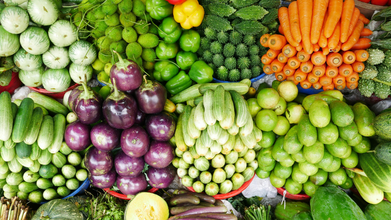
With focus on better diets, one turns to everyday vegetables, however, as per a recent Bengaluru study, lead was found in vegetables. 72 samples of vegetables were collected from the local markets in and around Bengaluru. 19 of them were found to contain lead, which is a toxic heavy metal that could harm human health.
This investigation revealed that even regular vegetables could pose harm to one's health.
What Did The Investigation Reveal?
A report was submitted to the National Green Tribunal (NGT) on February 12, 2026 by a committee of the Central Pollution Control Board (CPCB). The vegetable samples were sent to laboratory for testing, under the verification by the Food Safety and Standards Authority of India (FSSAI).
The test checked for 11 heavy metals, three mineral and 230 types of pesticides.
The vegetables that showed lead above the safety limits were:
- Bottle gourd
- Beans
- Beetroot
- Cabbage
- Capsicum
- Chillies
- Cucumber
- Jute leaves (saluyot leaves)
- Knol-khol
- Squash
Brinjal or eggplant showed the most concentration of lead. The report noted that it contained 1.953 mg/kg of lead. However, the safe limit is only 0.1 mg/kg. The report noted that eggplant contained 20 times higher than the permissible limit.
Of the 70 samples, 10 were found to contain pesticide levels above permissible limits.
Why Is There Lead In Vegetables?
Experts explain that if lead enters soil or water, plants can absorb it through their roots. When the lead gets inside the plant, it becomes part of the vegetable tissue. This is why even if you wash the vegetables, you will not be able to get rid of it.
What Does Lead Do To Humans?
As per the World Health Organization (WHO), exposure to lead can affect multiple body systems and is particularly harmful to young children and women of child-bearing age. Once in body, lead is distributed to brain, liver, kidney, and bones. It is also stored in the teeth and bones, where it can accumulate over time.
The WHO also notes that lead exposure was attributed to more than 1.5 million deaths globally in 2021, primarily due to cardiovascular effects. During pregnancy, lead could become a source of exposure to the developing fetus.
People are exposed to lead through both environmental and workplace sources. This can happen when they inhale tiny lead particles released during activities such as smelting, recycling batteries, stripping old lead-based paint, or burning materials like plastic cables that contain lead. Exposure can also occur when people swallow contaminated dust, soil, water, or food.
Why Children Are More Vulnerable
Young children face a much higher risk of lead poisoning than adults. Their bodies can absorb four to five times more lead from the same amount that is ingested. Their natural curiosity also increases exposure. Children often put their hands, toys, or other objects in their mouths, which makes it easier for them to ingest lead-contaminated dust, soil, or paint.
Some children may also develop pica, a condition where they repeatedly eat non-food items such as soil or paint chips. This behavior greatly increases the risk of lead exposure. In several countries, environmental contamination from activities like battery recycling and mining has led to large outbreaks of lead poisoning, sometimes resulting in deaths among young children.
What Happens When Lead Enters the Body
Once lead enters the body, it travels through the bloodstream and spreads to several organs, including the brain, kidneys, liver, and bones. Over time, much of the lead gets stored in the bones and teeth, where it can accumulate for years.
During pregnancy, stored lead in the bones can be released back into the bloodstream, which may expose the developing fetus. Children who are malnourished are even more vulnerable because deficiencies in nutrients like calcium and iron make the body absorb more lead.
Health Effects of Lead Exposure in Children
Lead exposure can have serious and lasting effects on a child’s health. Extremely high levels can severely damage the brain and central nervous system, leading to seizures, coma, or even death. Children who survive severe poisoning may suffer from permanent intellectual disabilities and behavioral problems.
Even lower levels of exposure, which may not cause obvious symptoms at first, can still harm multiple body systems. Lead can interfere with brain development, resulting in reduced IQ, shorter attention span, learning difficulties, and behavioral changes such as increased antisocial behaviour.
In addition, lead exposure has been linked to anaemia, high blood pressure, kidney damage, weakened immune function, and reproductive health problems. Because the effects can be long-lasting and sometimes irreversible, preventing exposure remains the most effective way to protect children’s health.
- Follow Us :


© 2024 Bennett, Coleman & Company Limited