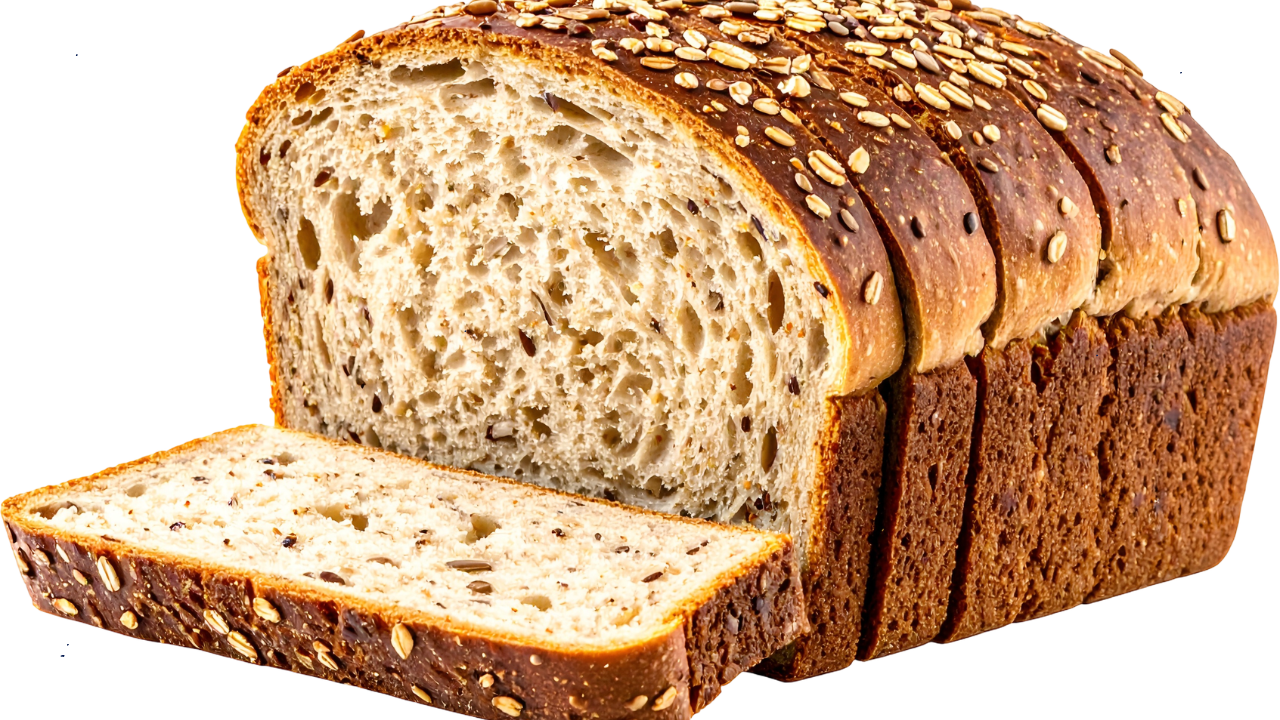
Trying to lose weight? Drop that wheat bread loaded with carbohydrates, suggests a study, which showed that the humble staple food for people worldwide can cause weight gain even without adding extra calories.Traditionally, research has focused on high-fat consumption as the main driver of weight gain, but the role of carbohydrate-rich foods such as bread, rice, and noodles—consumed daily around the world—is less explored. In the study, researchers at Osaka Metropolitan University in Japan studied how carbohydrates influence eating behavior and metabolism in mice. The researchers examined whether mice preferred foods like wheat, bread, and rice over standard chow, and how these choices affected body weight and energy use. The animals were divided into several feeding groups, including Chow, Chow + Bread, Chow + Wheat flour, Chow + Rice flour, High-fat diet (HFD) + Chow, HFD + Wheat flour. The findings, published in the journal Molecular Nutrition & Food Research, showed that mice strongly favored carbohydrate-rich foods and stopped eating their standard chow altogether. Even though their total calorie intake did not increase significantly, both body weight and fat mass went up. Mice that consumed rice flour similarly gained weight to those that ate wheat flour. In contrast, mice given a High-fat diet (HFD) + Wheat flour gained less weight than those on a High-fat diet (HFD) + Chow. "These findings suggest that weight gain may not be due to wheat-specific effects, but rather to a strong preference for carbohydrates and the associated metabolic changes," said Professor Shigenobu Matsumura from the varsity’s Graduate School of Human Life and Ecology. What Is Driving Weight Gain The results showed that weight gain was not caused by "overeating," but by a reduction in energy expenditure. Further analysis revealed higher levels of fatty acids in the blood and lower levels of essential amino acids. In the liver, fat accumulation increased, along with the activity of genes linked to fatty acid production and lipid transport. When wheat flour was removed from the diet, both body weight and metabolic abnormalities improved quickly. This suggests that moving away from a wheat-heavy diet and toward a more balanced one may help regulate body weight more effectively. While the study was conducted in mice, the researchers aim to focus on humans “to verify the extent to which the metabolic changes identified in this study apply to actual dietary habits". "We also intend to investigate how factors such as whole grains, unrefined grains, and foods rich in dietary fiber, as well as their combinations with proteins and fats, food processing methods, and timing of consumption, affect metabolic responses to carbohydrate intake. In the future, we hope this will serve as a scientific foundation for achieving a balance between "taste" and "health" in the fields of nutritional guidance, food education, and food development," stated Professor Matsumura.