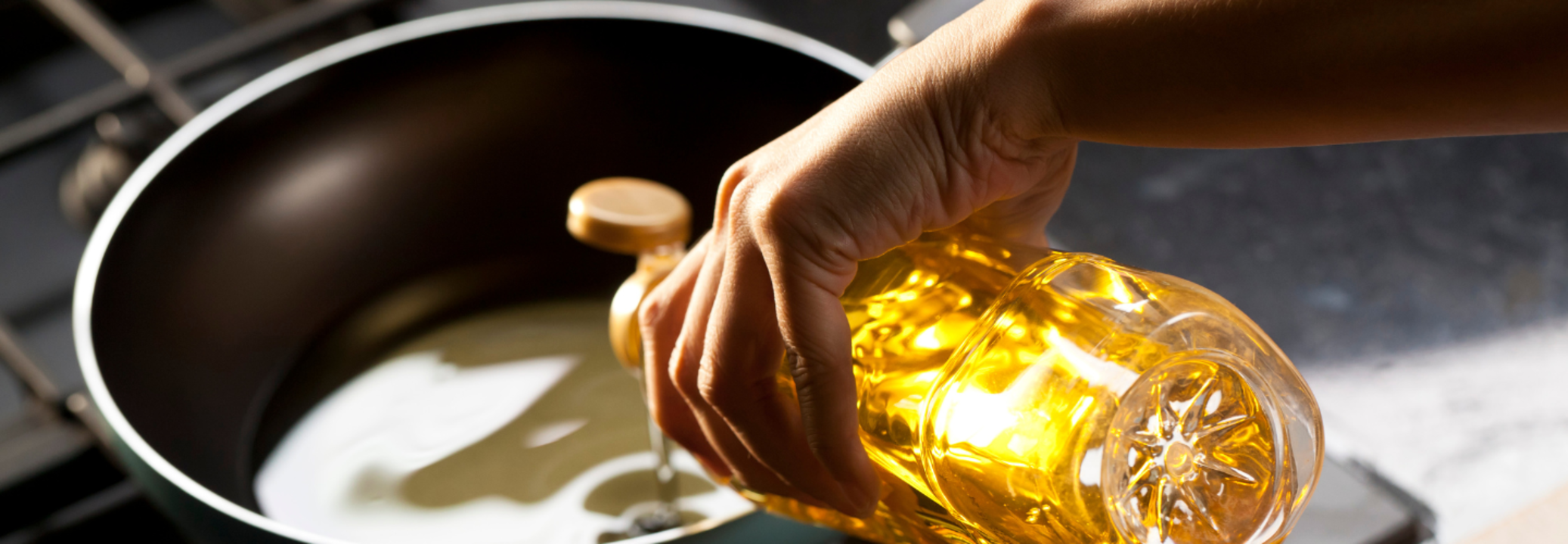
Have you ever thought of cooking without oil? It does seem tricky, doesn't it? But, in many households, cooking without oil is considered a daily practice. In many households, people cook in ghee or butter. However, with the growing cases of cardiac arrests, diabetes and other health conditions, many are vouching for new cooking techniques which involve no oil. Why Should You Give It A Try?Reduced Caloric IntakeOil is dense in calories, with about 120 calories per tablespoon. No oil cooking means you are reducing the number of calories in your meal and it can help you in your weight management and also prevent obesity. Low Risk Of Heart DiseaseSaturated and trans fats are also linked to cholesterol levels which also has a high risks of cardiovascular disease. Therefore, when you choose no-oil cooking, it helps to keep these unhealthy fats at bay. Gut HealthThe practice of cooking without oil can also help with a higher intake of fibre. Oil-free recipes lead to fibre not being broken down as it keeps the vegetables, grains, and legumes as it is. Excessive consumption of certain oils, especially omega-6 fatty acids can also lead to inflammation in the body and so when you practice no oil cooking minimises this risk of inflammatory conditions. Oil-free cooking means boiling, steaming, and baking, this means that the natural form of the food and its nutrients can be preserved and it can better absorb vitamins and minerals. Blood Pressure LevelsThis can also help you lower blood pressure as you reduce the intake the unhealthy fats and consume more whole and unprocessed foods. Heart Health No-oil cooking is also helpful for better heart health as many oils, especially animal-based ones contain high levels of saturated fats, which can raise bad cholesterol. These fats can increase the risk of atherosclerosis, a condition where arteries become clogged with plaque. Thus, no-oil cooking supports your cardiovascular health.