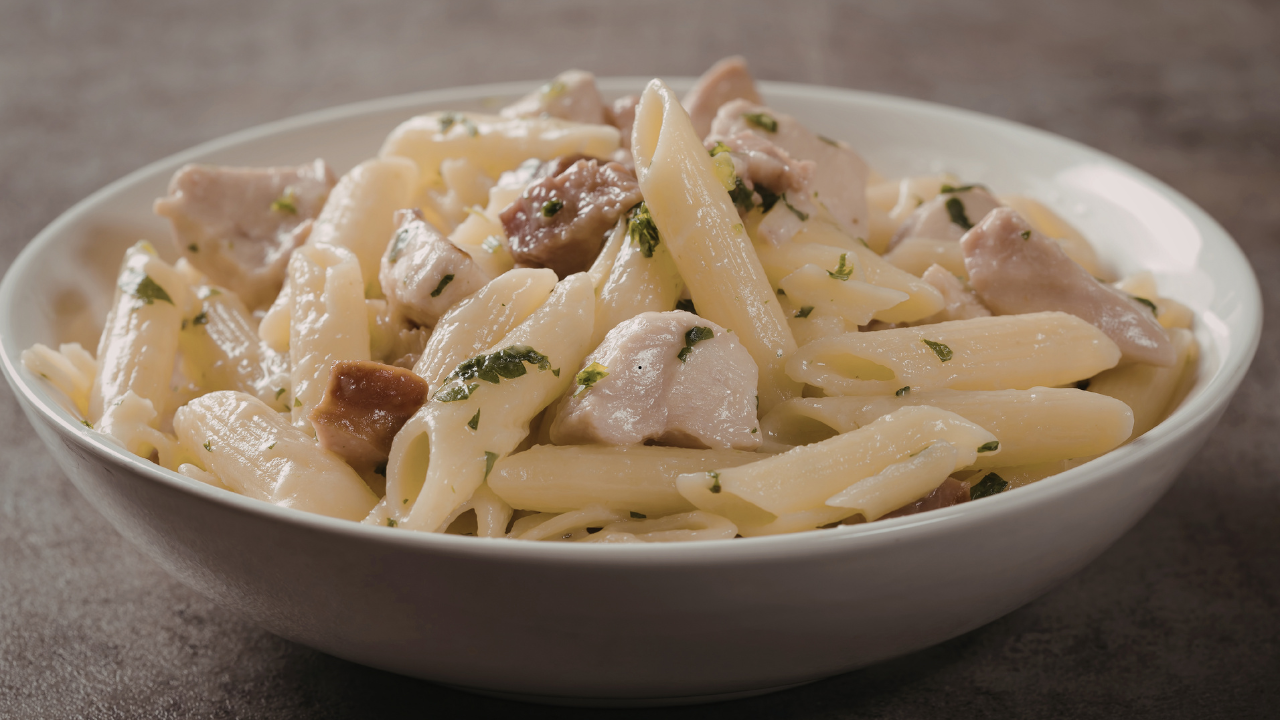
Few foods feel as comforting as a warm bowl of pasta. Yet, despite its popularity across the world, pasta often gets a bad reputation when people talk about healthy eating.For years, it has been labelled as the villain of many diets. People blame it for weight gain, bloating, and that sleepy feeling that sometimes follows a heavy meal. Because pasta is rich in carbohydrates, many assume it is automatically unhealthy or something that must be avoided while trying to lose weight.Nutrition experts say that idea is far from the truth.In reality, pasta can absolutely fit into a balanced diet. The key lies not just in the pasta itself but in how it is cooked, served, and paired with other foods.Understanding What Pasta Really OffersAt its core, pasta is a source of carbohydrates. These carbohydrates break down into glucose in the body, which provides energy for everyday functions. This energy fuels the brain, supports muscle activity, and keeps the nervous system running smoothly. That is one reason athletes and physically active people often include pasta in their meals.Wholewheat pasta brings additional benefits to the table. Because it uses the entire grain, it contains more fibre than refined white pasta. Fiber helps slow digestion, keeps you feeling full for longer, and supports healthy digestion.There are also newer alternatives now widely available. Pasta made from chickpeas, lentils, or split peas often contains higher levels of protein and fiber than traditional wheat pasta. These options can be particularly helpful for people looking to increase plant based protein in their diet.Even regular white pasta contains nutrients that many people overlook. During production, some varieties are fortified with important vitamins and minerals such as iron and B vitamins including thiamine and folate.Portion Size and Balance MatterWhen it comes to including pasta in a healthy diet, portion size plays an important role. A typical serving is around 75 grams of dried pasta per adult, which becomes roughly 180 to 200 grams once cooked.The bigger issue often lies in how pasta dishes are prepared. Creamy sauces, excessive cheese, butter, and processed meats can quickly push the calorie count much higher. In contrast, pairing pasta with vegetables, lean protein, and healthy fats creates a far more balanced meal.Simple additions like tomatoes, spinach, mushrooms, beans, lentils, seafood, or grilled chicken can transform pasta into a nutrient rich dish. A drizzle of olive oil and a generous portion of vegetables can make the meal satisfying without making it overly heavy.Why Some People Feel Bloated After PastaBloating after eating pasta is fairly common, but the cause can vary.For some people, gluten may be the trigger. Individuals with coeliac disease cannot tolerate gluten, a protein found in wheat, and eating wheat based pasta can cause serious digestive issues.In other cases, the problem may be certain carbohydrates found in wheat known as FODMAPs. These compounds can be difficult for some people to digest. When they reach the large intestine, bacteria ferment them, producing gas that may lead to bloating, cramps, or discomfort.The way pasta is cooked can also make a difference. Pasta cooked al dente, meaning slightly firm to the bite, is digested more slowly than overcooked pasta. Cooling pasta after cooking, such as in pasta salads, can also increase resistant starch. This type of starch digests more slowly and may support gut health.In the end, pasta itself is not the problem many people believe it to be. When eaten in sensible portions and paired with nourishing ingredients, it can be a satisfying and perfectly healthy part of everyday meals.