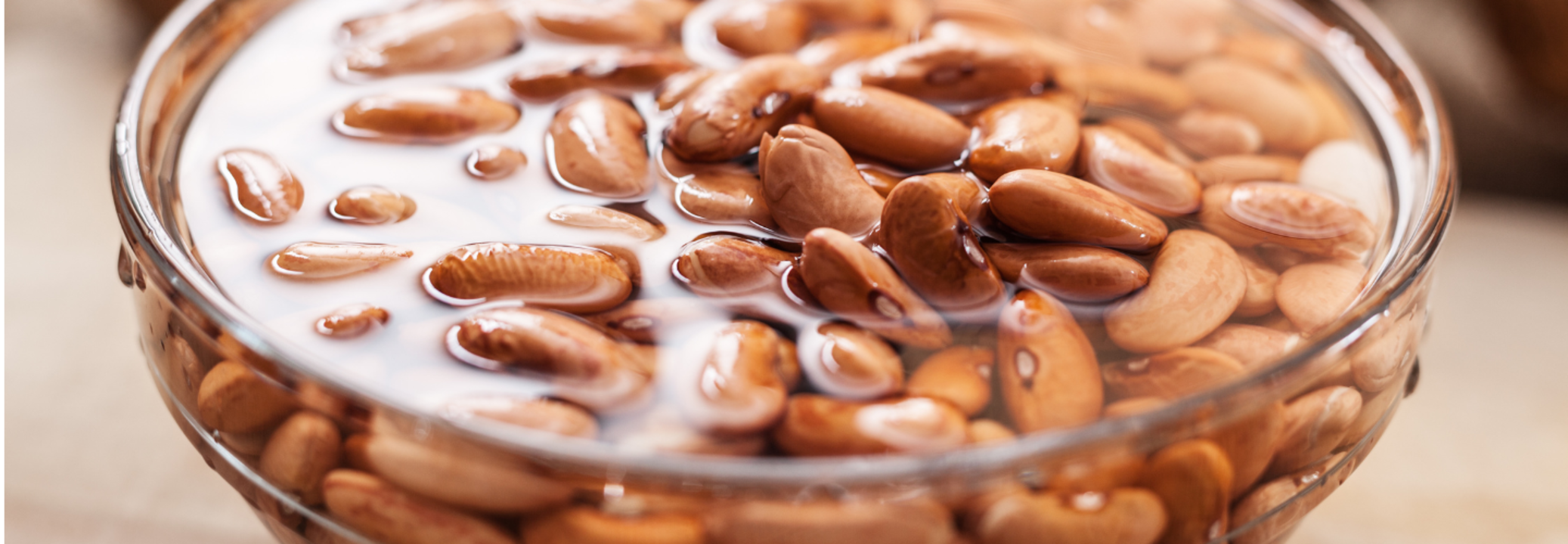
Legumes, including beans, peas, and lentils, are nutritional powerhouses that offer a range of health benefits. Packed with essential nutrients like folate, potassium, iron, and zinc, legumes are an affordable and versatile addition to any diet. Whether you're looking to regulate blood sugar, improve gut health, or simply stay fuller for longer, legumes provide a plant-based solution that promotes overall wellness.Rich in both protein and fiber, beans support digestive health while providing sustained energy through their complex carbohydrates. The combination of fiber and protein helps you feel satiated, making beans an excellent choice for weight management. Beyond that, they aid in regulating blood pressure and blood sugar levels, which can be particularly beneficial for those managing diabetes or hypertension.Why is Soaking Beans Important?Although soaking beans before cooking isn't always necessary, it offers some unique advantages. Soaking helps beans absorb water, leading to quicker, more even cooking. But the benefits go beyond convenience.Digestive BenefitsBeans contain oligosaccharides, carbohydrates that can cause digestive discomfort such as bloating or gas. Soaking reduces these carbohydrates, making beans easier to digest.Improved Nutrient AbsorptionLegumes contain antinutrients like phytic acid and tannins, which can inhibit nutrient absorption. Soaking reduces these antinutrients, allowing your body to better absorb minerals like iron, calcium, and zinc.Better TextureSoaking softens beans, leading to a more desirable texture in dishes like soups, stews, and dips. This is particularly useful for recipes that call for creamy beans or smooth purees.How to Soak Beans before Cooking?There are a few methods to soak beans, depending on your time constraints:Boil beans in hot water for 2-3 minutes, then let them sit covered for 4-24 hours.Boil beans for a few minutes and let them rest for about an hour.Simply place beans in cold water and let them sit for 8 hours or overnight.No matter the method, soaking will enhance both the flavor and nutritional quality of your legumes, making them easier to incorporate into your meals.Healthy Breakfast Wrap RecipeFor a nutritious, on-the-go breakfast, try a beans-filled wrap. It’s easy to prepare and provides a healthy start to your day.Ingredients:- ½ cup of cooked black beans- ¼ cup of cooked chickpeas- 1 scrambled egg (optional)- 1 whole-wheat tortilla- 1 tablespoon of hummus- A handful of spinach or mixed greens- Diced tomatoes and cucumbers for crunch- A sprinkle of cheese (optional)- A dash of cumin or paprika for added flavorMethod:1. Warm the whole-wheat tortilla on a pan.2. Spread a tablespoon of hummus across the tortilla.3. Add the black beans, chickpeas, scrambled egg (optional), spinach, tomatoes, and cucumbers.4. Season with cumin or paprika.5. Roll up the wrap and enjoy a nutrient-dense, portable breakfast that will keep you energized throughout the morning.This breakfast wrap is packed with protein, fiber, and essential nutrients from the beans, making it a wholesome and satisfying choice to kickstart your day.Ways You Can Add Beans to Your Daily DietBeans are versatile and can be used in a variety of dishes—from soups and salads to dips and tacos. Whether you’re preparing a hearty lentil stew, a chickpea salad, or a bean-based wrap, these plant-based ingredients offer a wealth of health benefits and can be easily integrated into your diet.For those seeking a sustainable, nutrient-rich diet, beans are an excellent addition, providing long-lasting energy and supporting digestive health without breaking the bank.