
- Health Conditions A-Z
- Health & Wellness
- Nutrition
- Fitness
- Health News
- Ayurveda
- Videos
- Medicine A-Z
- Parenting
Boosting Immunity in Preteens: Why It Matters and How to Support It

Tips to boost immunity in Preteens (Credits: Freepik)
Introduction
As preteens navigate the transformative years between ages 9 and 12, their bodies are undergoing significant changes that can impact their immune systems. Building and maintaining strong immunity during this critical period is essential for protecting against infections and supporting overall health. Understanding the importance of immunity and how to boost it can help ensure that preteens remain healthy and resilient as they grow.Why does boosting immunity in preteens matter?
The preteen years, spanning ages 9 to 12, are a time of rapid physical and emotional development. Strengthening immunity during this period is crucial for ensuring that preteens remain healthy and resilient against infections. Here’s why immunity is important and how parents can support it effectively.1. Understanding the Importance of Immunity
A strong immune system is essential for defending the body against a variety of pathogens, including viruses and bacteria. According to the World Health Organization (WHO), a well-functioning immune system helps prevent illnesses and supports recovery from infections. During preadolescence, the immune system is still maturing, making it particularly important to focus on practices that enhance its function.2. Ensuring a Balanced Diet
A nutritious diet plays a pivotal role in supporting immune health. The Indian Ministry of Health and Family Welfare emphasizes that a balanced diet rich in fruits, vegetables, whole grains, and lean proteins provides essential vitamins and minerals that support immune function. Nutrients like vitamins C and D, zinc, and antioxidants play crucial roles in enhancing immune responses. Encourage preteens to consume a variety of colorful fruits and vegetables, lean meats, and whole grains to ensure they receive a wide range of nutrients.3. Promoting Regular Physical Activity
Regular physical activity boosts immune health by promoting good circulation and reducing inflammation. The Centers for Disease Control and Prevention (CDC) recommend that preteens engage in at least 60 minutes of moderate to vigorous physical activity each day. Activities such as sports, swimming, or even brisk walking can help enhance immune function and overall health.4. Prioritizing Adequate Sleep
Adequate sleep is essential for a well-functioning immune system. According to the National Sleep Foundation, preteens should get 9-12 hours of sleep each night. Quality sleep helps regulate immune function and reduces susceptibility to illnesses. Establishing a consistent bedtime routine and creating a restful sleep environment can help ensure that preteens get the sleep they need.5. Keeping Up with Vaccinations
Vaccinations are a critical component of maintaining strong immunity. The Indian Ministry of Health and Family Welfare and the CDC recommend that preteens receive vaccines that protect against diseases such as influenza, HPV, and meningitis. These vaccines help prepare the immune system to recognize and combat specific pathogens, reducing the risk of severe illness.6. Encouraging Good Hygiene Practices
Good hygiene practices are fundamental for preventing infections. Teach preteens the importance of regular handwashing, using tissues or elbows to cover coughs and sneezes, and avoiding touching their face. The WHO highlights that proper hygiene can significantly reduce the spread of infectious diseases and support overall immune health.7. Managing Stress and Mental Health
Stress can negatively impact the immune system. Dr. Maria Lopez, a child psychologist, advises that managing stress through relaxation techniques, hobbies, and open communication is important for maintaining immune health. Encourage preteens to engage in activities they enjoy and provide support for managing stress and emotional challenges.8. Hydration is Key
Staying hydrated is crucial for overall health, including immune function. The Indian Ministry of Health and Family Welfare stresses the importance of drinking plenty of water throughout the day. Proper hydration supports various bodily functions and helps the immune system operate efficiently.9. Avoiding Unhealthy Habits
Limiting unhealthy habits such as excessive screen time and junk food consumption is important for maintaining a strong immune system. Encourage preteens to make healthy choices and develop habits that support their overall well-being.10. Regular Health Checkups
Regular health checkups are essential for monitoring and maintaining immune health. The CDC recommends routine visits to a healthcare provider to assess growth, development, and immunization status. These checkups help identify any potential issues early and ensure that preteens receive appropriate care.Frida Baby Thermometer Under Scrutiny After Brand Sexualizes Its Packaging
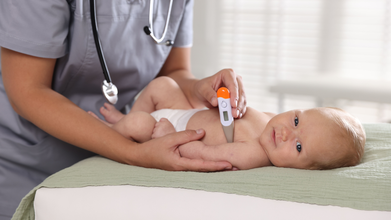
Credits: Canva (Representational)
Frida Baby thermometer is facing severe backlash after parents criticized the company's marketing language on its packaging. The parents claimed that the company cracked sexual jokes on using baby thermometers and that it crossed a line for a product that was designed for infants.
The controversy gained more traction this week after a social media user posted about it on X with photos stating that the marketing relies on sexual jokes.
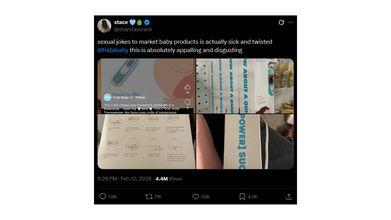
An X user @staystaystace wrote: "sexual jokes to market baby products is actually sick and twisted @fridababy this is absolutely appalling and disgusting".
Frida Baby Thermometer: What Was The Problem With Marketing
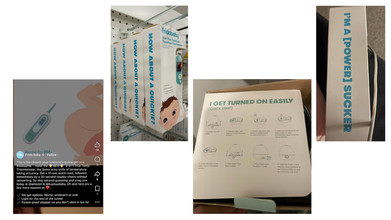
The photos include a screenshot of the thermometer packaging on which the graphics are pointed out to be problematic and inappropriate by the parents. Furthermore, the caption on the official account of Frida Baby social media reads: 'This is the closest your husband's gonna get to a threesome...'
In another photo of Frida Baby 3-in-1 Eat, Forehead and Touchless Thermometer, the marketing phrase reads: 'How About A Quickie?'
Another photo on steps for using the humidifier, the caption on the packaging reads: 'I Get Turned On Easily'. While a fourth photo reads: 'I'm A [Powerful] Sucker'.
Parents claim that the brand has used sexual market phrases found similarly on self care toys and massagers for products which are made for infants.
Read: Six-year-old Child Dies Of Medical Negligence During MRI At Greater Noida Imaging Centre
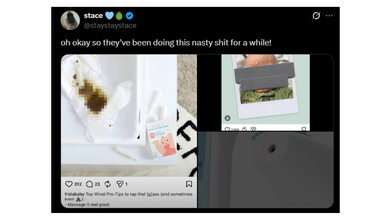
Amid this, older content from 2020, including deleted social media posts resurfaced featuring a baby with visible nose discharge and the caption read: 'What Happens When You Pull Out Too Early #nosefrida #dontmove'.
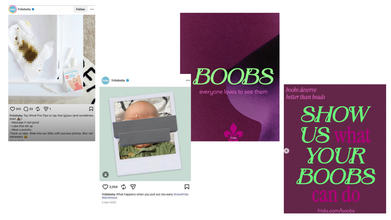
More recently, Frida Baby again drew attention for an Instagram post that centered on breastfeeding. The carousel post includes slides with statements like: 'Boobs, everyone loves to see them', followed by commentary on how breasts are widely accepted in pop culture, but criticized in the context of feeding a child. The final slide reads: 'Show Us What Your Boobs Can Do', which directs readers to company's website. A user on the Instagram post commented: "Hey so why do you sexualize your products??"
Another photo that resurfaced from 2021 reads: 'Top Windi Pro-Tips to tap that [g]ass (and sometimes even [poop emoji]):
- - Massage it real good
- - Lube that ish up
- - Wear a poncho
However, there were some parents who also defended the brand's tone and argued that humor is clearly aimed at adults who are navigated through the realities of parenting.
Frida Baby Thermometer: How Did The Brand React?
In an emailed statement, as reported by Complex, the spokesperson for the brand said:
From the very beginning, Frida has used humor to talk about the real, raw, and messy parts of parenting that too often go unspoken. We do this because parenting can be isolating and overwhelming, and sometimes a moment of levity is what makes a hard experience feel human, shared, and survivable.
Our products are designed for babies, but our voice has always been written for the adults caring for them. Our intention has consistently been to make awkward and difficult experiences feel lighter, more honest, and less isolating for parents.
That said, humor is personal. What’s funny to one parent can feel like too much to another. We’re never trying to offend, push boundaries for shock value, or make anyone uncomfortable. Importantly, our tone is never separate from our product. The humor we use is always grounded in a specific feature, benefit, or innovation — a reflection of the real problem we are solving for families.
Frida was built to support families through some of the most vulnerable and transformative chapters of their lives. We stand firmly behind that mission. We will continue to show up with honesty, empathy, and courage.
With each decision we make, we will continue to evaluate how we express our voice so that our commitment to families is unmistakable and our tone always meets the moment.
How To Tell If Your Infant Is Hungry?
Credits: Canva
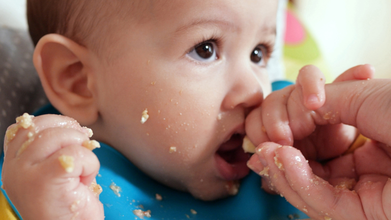
Infants cannot speak, so how do new parents know if their babies are hungry?
Picture this. You have just changed your baby's diaper, and went to bed, to finally rest. Suddenly, you hear a loud wail. Your baby is crying, again! This time, it is the hungry cry.
But what if we tell you that you no longer have to disrupt your rest with your baby's cry for hunger? This is only possible when you already know when to feed your baby. Babies cannot tell when they are hungry, so more often than not, parents may miss to understand they are hungry, until the hunger cry starts. But there are some cues you can look for to feed your baby!
Read: Are Indians 'Pressure Cooker' Parenting Their Kids? Gurugram CEO Raises Questions
Hunger Cues In Your Baby
Increased Activity
Your baby might become more alert and active. Thinking about food can make babies excited, so you may notice them moving around more than usual.
Head-Turning
Babies often turn their heads from side to side as if searching for food.
Mouth Movements
Look for signs like opening and closing their mouth, resembling a tiny bird waiting to be fed.
Rooting Reflex
Turning their head toward the breast, chest, or bottle is a classic hunger cue.
Sucking Motions
Babies may make sucking motions with their mouths, even if they don’t have a pacifier or bottle nearby.
Lip Smacking or Drooling
Increased drooling, lip-smacking, or sticking out their tongue are all signals they’re getting ready for a meal.
Sucking on Hands or Clothing
Your baby might start sucking on their fingers, hands, or even their clothes as a sign of hunger.
Clenched Fists
Watch for little fists clenching in frustration and impatience.
Focused Eye Contact
Babies who recognize their primary feeder might stare and follow you around the room with their eyes.
Facial Expressions
A furrowed brow or a distressed look might be your baby’s way of saying, “When’s the next meal?”
The “Neh” Sound
According to Dunstan baby language, the sound “neh” just before crying often means hunger.
Also remember that hunger pangs are strong enough to wake most babies, even from deep sleep. However, if your baby consistently sleeps for extended periods, it’s important to ensure they’re feeding frequently enough for their age.
For newborns, it’s generally recommended that they don’t regularly sleep longer than 4 hours at a stretch. Occasional long naps are fine—especially if they give you a much-needed rest! However, if your baby frequently sleeps through feeding times, consult your pediatrician to determine if gentle wake-ups for feeding are necessary.
How do you know your baby is feeding well enough?
It can be difficult to ensure that your baby is well fed, especially if you are breastfeeding, or when your baby is not of the age when he can talk. However, there are signals too for this, in fact your baby also learns how to signal that they need more milk or food.
It also depends on the age. For instance, a newborn will feed often, usually every 2 to 3 hours and sometime smore often. They feed up to 12 times every 24 hours. As your baby grows, their tummies grow too, in fact the tummy grows form a size of cherry at birth to walnut in 3 days. In a week, it is at the size of plum and in a month, it is of the size of a large chicken egg.
The "I am not hungry right now" signs for babies are:
- releasing or pushing away the breast or bottle
- closing their mouth and not responding to encouragement to latch on or suck again
- open and relaxed hands (instead of clenched)
- relaxing their body and even going a little limp
- looking around and showing interest in playing or other things
- looking content and maybe even smiling
- appearing happily drowsy and ready to go back to sleep
Are Indians 'Pressure Cooker' Parenting Their Kids? Gurugram CEO Raises Questions
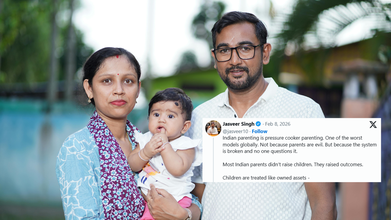
Representational image from Canva and X post
"Indian parenting is pressure cooker parenting. One of the worst models globally. Not because parents are evil. But because the system is broken and no one questions it," wrote co-founder and CEO of Knot Dating Jasveer Singh on X.
He further wrote: "Most Indian parents didn't raise children. They raised outcomes. Children are treated like owned assets."
Netizens reacting to his X post acknowledged the truth behind the statements he made. One of the users wrote: "This hit hard. Every line feels personal! You just described half of middle class India in one post."
While another wrote: "Oh my god! I love this post!! I'm sharing it -- it's brilliant. And so true. Hard feel!! I don't know who you are. But bless you".
What Is Pressure Cooker Parenting And Why Is It Being Discussed?
Singh's statement was not centered on parental intent, but on a system that leaves limited space for emotional expression for children and parents alike.
Pressure Cooker parenting comes from the utensil popularly used in Indian households called pressure cooker. It is a sealed pot that cooks food faster by using high pressure steam. It is compared to parenting because children are often under high pressure form their parents and society where they are expected to do certain thing and to become what their parents want.
While 2026 is switching away from gentle parenting, this way of parenting could do more harm to the child.
Pressuring the child could impact their confidence. Furthermore, when Singh wrote: "Children are raised like owned assets". It refers to the norm of how parents raise their kids to become something so they could be used as a social currency.
More often than not, a child's status, in terms of the work he or she does, and the salary he or she earns, the status of a family is decided. While it is an unsaid rule, it does pressurizes children into it.
What Is Wrong With Indian Parenting?
In a 2022 Facebook post shared by entrepreneur Ankur Warikoo, he noted things that are wrong with Indian way of parenting, which included:
- Comparison between children with others' children.
- Killing curiosity by not responding to their questions or saying that they are dumb and silly.
- Focusing more on society, especially on who to marry, how to dress, where to work.
- Looking at the world through their own experiences.
- Emotional blackmail.
- Dismissing mental health.
- Lack of trust in their own kids.
- Not teaching them about financial independence.
- Follow Us :


© 2024 Bennett, Coleman & Company Limited