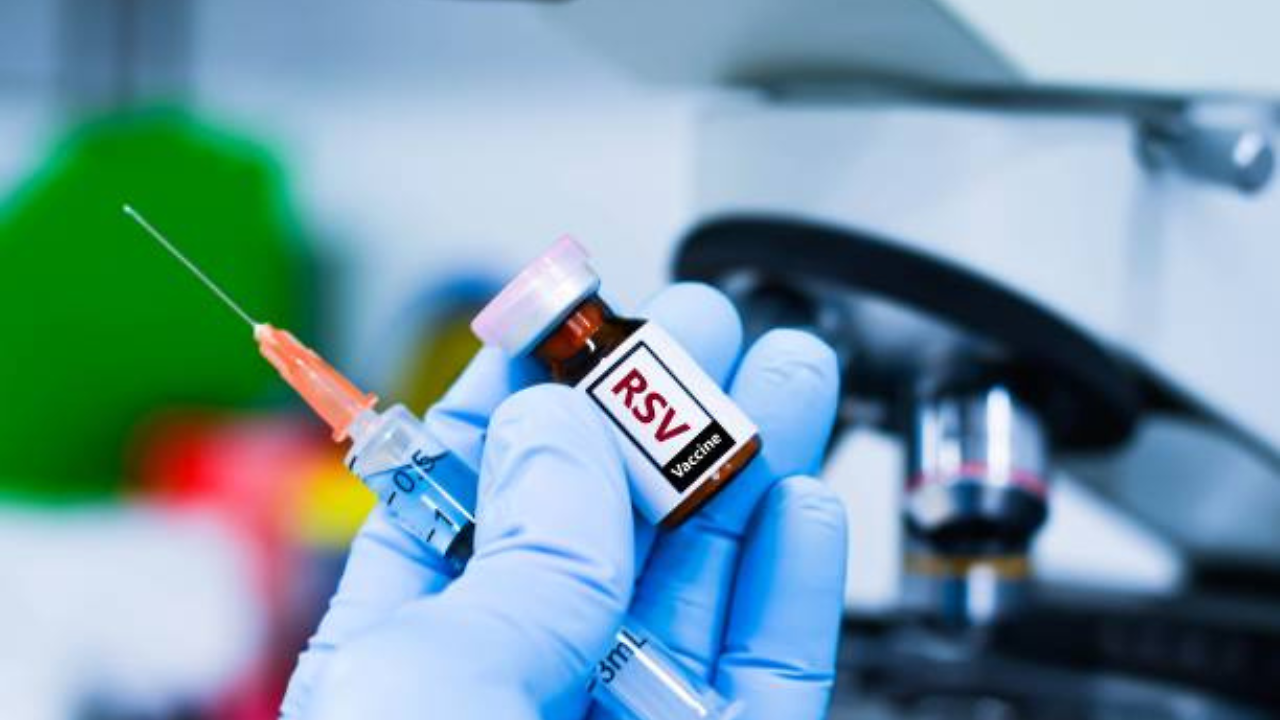
A Welsh mother whose newborn daughter nearly died after contracting respiratory syncytial virus (RSV) is urging pregnant women to get vaccinated to protect their babies.Jo Goldsmith said she was told to “prepare for the worst” after her daughter Phoebe contracted RSV just five days after birth, the BBC reported. Phoebe, now four, developed breathing difficulties and was admitted to a hospital’s high-dependency unit.Goldsmith said the vaccine was not available when she was pregnant but that she “definitely would have had it.”“I wouldn't want any family to go through what we went through,” she said.RSV vaccinations for pregnant women were introduced in Wales in September 2024.“She was five days old, she had quite a lot of congestion... and we noticed quite quickly that she seemed to be breathing very fast and was struggling,” Goldsmith said.What Is RSV?Also read: Flu Vaccine: Why October Is A Good Time To Get Your Family VaccinatedRespiratory syncytial virus (RSV) is a common respiratory virus that typically causes cold-like symptoms. However, it can lead to serious illness, including bronchiolitis and pneumonia, particularly in infants, older adults and people with weakened immune systems.Almost every child contracts RSV by the age of two. The virus can cause severe illness in infants, with up to three in every 100 infected infants requiring hospitalization.Maternal vaccination with RSVpreF (Abrysvo) helps protect newborns against RSV during their first months of life. However, uptake has remained relatively low in the US and Europe since the vaccine was introduced in 2023, according to a study published last week in The Lancet Regional Health – Europe.In the UK, the RSV vaccine is routinely offered to pregnant women from 28 weeks of pregnancy to help protect their babies. It is also offered to eligible older adults, including everyone aged 75 and over. Older adults generally need only one dose, while women are advised to receive the vaccine during every pregnancy.Maternal RSV vaccination allows protective antibodies to pass from the mother to the baby before birth. More than 30 countries have introduced maternal RSV vaccination, either as a stand-alone intervention or alongside other preventive measures, such as infant immunization.How Does RSV Spread?RSV spreads through respiratory secretions, including saliva and mucus, and through contact with contaminated surfaces. In the US, infections typically occur from late fall to early spring, although seasonal patterns vary by region.What Are The Symptoms Of RSV?Read More: XFG Variant In Spain: COVID-19 Cases Rise Amid Respiratory Infection SurgeRSV symptoms usually appear four to six days after exposure. Early signs often resemble a common cold and include:Runny nose and sneezingCoughDecreased appetiteIrritability and tiredness in infantsBabies may also develop rapid or labored breathing. In some cases, the infection spreads to the lower respiratory tract, causing bronchiolitis or pneumonia.Parents should seek urgent medical attention if a baby has difficulty breathing, shows signs of dehydration or becomes unusually unresponsive. Severe breathing difficulties require emergency care.