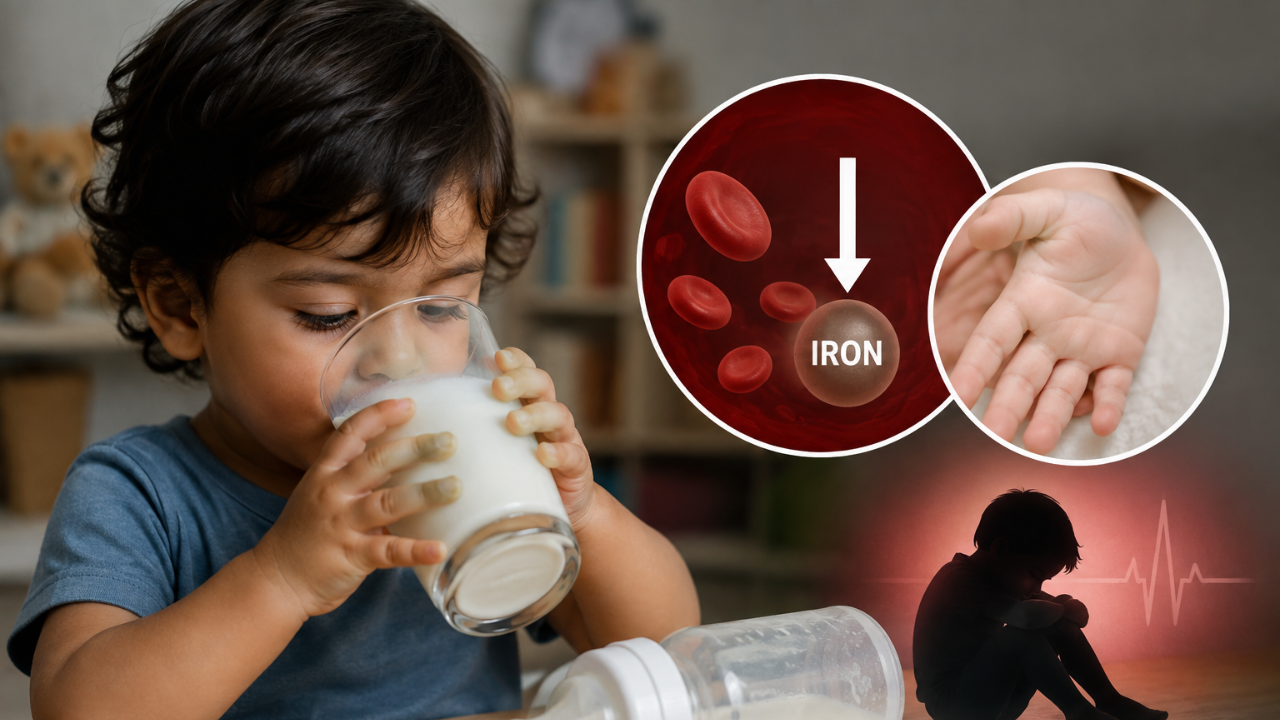
Excessive consumption of cow’s milk has been linked to severe iron deficiency in young children. A Queensland specialist has also warned that in the past two years, three toddlers died after developing extreme iron-deficiency anaemia. According to ABC News, the children were drinking more than 1 litre of cow’s milk a day. Queensland Children’s Hospital haematologist Dr Sally Campbell said the toddlers were otherwise healthy but developed severe anaemia before infections like viral illnesses took a toll on their health. “They were drinking more than one litre of cow’s milk per day. This resulted in them developing extreme iron deficiency anaemia and sadly, dying,” Campbell said. She explained that severe anaemia leaves children with too few red blood cells to deliver enough oxygen to vital organs. A seemingly routine viral infection can therefore become severe and even fatal. “One small virus can unfortunately be life-threatening when you’ve got a chronic anaemic state,” Campbell said. Why Can Excessive Cow Milk Consumption Cause Iron Deficiency? Also read: Should Children Take Protein Powders? A Dietitian’s PerspectiveCow’s milk is packed with essential nutrients, but it is not a rich source of iron. Things get serious when toddlers fill up on milk. Consuming large quantities of milk can reduce a child’s appetite for iron-rich foods like meat, legumes and iron-fortified foods. Dairy can also interfere with iron absorption. In growing children, whose iron requirements are high, this can gradually push iron reserves to a dangerous low level.Research from the ORIGINS Project, a large longitudinal birth cohort following around 10,000 Western Australian children, has found widespread low iron levels among young children. Researchers from The Kids Research Institute Australia, Edith Cowan University, Curtin University and The University of Western Australia published their findings in the Journal of Paediatrics and Child Health in 2025. Using the World Health Organization’s ferritin threshold, the researchers found iron deficiency in 15% of one-year-olds and 20% of three-year-olds. Professor Desiree Silva, co-director of ORIGINS and Professor of Paediatrics at The University of Western Australia, has described the problem as a “hidden health crisis”. She said iron is essential for immunity, oxygen transport and healthy development, while low iron can contribute to tiredness, lethargy, poor sleep and difficulty in feeding. Also read: Study Links Excessive Screen Time To Poorer Body Image in Teens With Skin ConditionsHow Much Cow’s Milk Is Too Much? Queensland health guidance recommends no cow’s milk as a drink before 12 months. From one to five years, children should have no more than about 500 ml, or two cups, a day. Importantly, this does not mean parents need to eliminate milk from a toddler’s diet. The concern arises when excessive intake of milk replaces a balanced and nutritious diet. Campbell said the problem is preventable and urged parents to adopt better dietary habits for toddlers. Parents must also look for signs of low iron levels in their children. Symptoms like persistent tiredness, poor appetite, development concerns or unusual changes in behaviour should not be simply dismissed as fussy eating or a toddler phase. Severe iron deficiency can develop quietly, making early assessment and treatment important.