
- Health Conditions A-Z
- Health & Wellness
- Nutrition
- Fitness
- Health News
- Ayurveda
- Videos
- Medicine A-Z
- Parenting
Can Exercising Help Prevent Cancer? Study Says It Cuts Risk By 30%

Credits: Canva
Just one bout of physical activity, specifically resistance training or high-intensity interval training (HIIT) may trigger a measurable anti-cancer response in the body. That’s not wishful thinking. It’s the takeaway from a compelling new study by researchers at Edith Cowan University (ECU) in Australia, who found that a single workout could slow the growth of cancer cells by as much as 30%.
While exercise has long been considered a complementary therapy in cancer care, this study sharpens the focus. It suggests that even short-term, intentional movement could offer physiological benefits for breast cancer survivors at the cellular level. And that’s a big deal.
Led by PhD researcher Francesco Bettariga, the ECU study explored how exercise impacts breast cancer survivors not just in the long term, but immediately. The team zeroed in on myokines, which are proteins secreted by muscles during exercise. Myokines are emerging as powerful players in the body’s defense system, with proven anti-inflammatory and anti-cancer effects.
Participants in the study—all breast cancer survivors underwent either a single session of resistance training or HIIT. Researchers then measured their blood before, immediately after, and 30 minutes post-exercise. The results showed a clear and consistent increase in myokine levels across both workout formats.
This spike wasn’t just theoretical. Bettariga’s lab data indicated that these boosted myokine levels could reduce the rate of cancer cell growth by 20–30%, after just one session.
Why It Is More Important for Breast Cancer Survivors?
We already know that cancer—and the treatments used to fight it—can wreak havoc on the body’s immune system and metabolism. Fatigue, inflammation, muscle loss, and long-term damage to cellular function are all common side effects. That’s part of what makes this study so significant: it demonstrates that even bodies under considerable strain from cancer treatment can still mount a biological defense through exercise.
“The results from the study show that both types of exercise really work to produce these anti-cancer myokines in breast cancer survivors,” Bettariga noted. “The implications are powerful—this is strong motivation to integrate exercise into cancer care.”
What’s unique here is the immediacy. Most studies emphasize the long-term benefits of exercise over weeks or months. This one highlights a biochemical response that kicks in within minutes.
Link Between Inflammation And Body Composition?
Beyond myokines, the study also looked into another critical component of cancer recurrence: inflammation.
Persistent inflammation plays a major role in tumor progression. It promotes the survival and spread of cancer cells and suppresses the immune response, making it harder for the body to fight back. Worse, both cancer and its treatments can increase inflammatory biomarkers in the bloodstream.
According to Bettariga’s extended research, the answer lies in body composition—specifically, reducing fat mass and increasing lean muscle through consistent exercise.
“Strategies are needed to reduce inflammation,” he said, “which may provide a less supportive environment for cancer progression, leading to a lower risk of recurrence and mortality in survivors of breast cancer.”
Building lean muscle through resistance or interval training doesn’t just make you stronger. It could actually help change the biochemical environment of your body to be less hospitable to cancer cells.
Why Diet Alone Isn’t Enough?
The study also underscores an important caveat: quick-fix weight loss strategies don’t deliver the same benefits. In fact, losing weight without preserving or building muscle may do more harm than good.
“You never want to reduce your weight without exercising,” Bettariga cautioned. “You need to build or preserve muscle mass and produce these beneficial chemicals—like myokines—that you can’t get through diet alone.”
That means crash diets, juice cleanses, or calorie-cutting without movement won’t contribute meaningfully to the anti-inflammatory or anti-cancer response. The muscle is the medicine in this case—and it has to be activated.
How to Add HIIT or Resistance Training into Your Routine?
If this all sounds powerful but overwhelming, start simple. The study wasn’t testing elite athletes. It was studying real breast cancer survivors, many of whom were new to structured exercise routines. For resistance training: Think compound movements that target large muscle groups—like squats, lunges, push-ups, or lifting light weights. You don’t need a gym or equipment to start. Even bodyweight training done consistently can build lean mass.
For HIIT, try alternating 30 seconds of high-effort movement (like jumping jacks, stair climbs, or brisk uphill walking) with 1–2 minutes of slower recovery. Repeat the cycle for 15–20 minutes.
The key isn’t the duration, it’s the intensity and consistency. According to Bettariga’s findings, even one session is enough to jumpstart the body’s internal defense mechanisms.
Can This Improve Future of Cancer Care?
There’s a growing shift in how we view recovery and survivorship. No longer is exercise considered a “bonus” or “optional.” Increasingly, it’s being recognized as a core component of medical care—one that can potentially alter the trajectory of disease, especially in cancers with high recurrence rates like breast cancer.
While more research is needed to explore the long-term implications of myokine production and its effect on cancer recurrence, the current data is promising. At a time when many cancer survivors are looking for ways to reclaim control over their bodies, this study offers something rare: a simple, immediate action that can make a real difference.
India For The First Time Has Guidelines On Muscle Loss
Credits: Canva
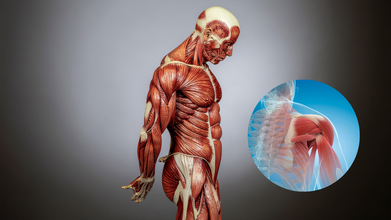
Mobility and independence are two things that keep people healthy, however, with age, as bones weaken and muscle is lost, elderly become more dependent. This condition is called sarcopenia, or age-related muscle loss. India is finally focusing on this and have now new guidelines to warn people against it.
The Geriatric Society of India released country's first 'Indian Guidelines for the Evaluation and Management of Sarcopenia'. These guidelines are a combination of recommendations by experts across multiple specialties, including geriatric medicine, orthopedics, endocrinology, physiotherapy and nutrition. These guidelines aim to help doctors detect and treat muscle loss early. The aim is to not let elderly compromise with their independence.
Also Read: Bruce Willis Health Update: His Death News Is A Hoax; 'He's Still Alive And Well'
What Is Sarcopenia?
Sarcopenia literally translates to 'loss of flesh'. Medically, it refers to gradual decline in muscle mass, strength and physical function with aging. While it is often overlooked, it is also the major reason for many fractures and hospitalizations of older adults, and sometimes, even death.
India is expected to have around 319 million people aged over 60 by 2050, which is one-fifth of the population. It could be concerning as they are at risk of sarcopenia. Studies have also shown that the number has increased from 8-18 per cent to 25-40 per cent adults, especially hospitalization cases. Experts point out that those with chronic diseases like diabetes are at a higher risk.
What Are The First Indian Guidelines On Muscle Loss or Sarcopenia?
Dr OP Sharma, who led guidelines said that muscle health is most important for healthy aging. "Strength preserves dignity. Early detection saves independence," he said. Dr Sharma also noted that the sedentary lifestyle, poor nutrition and chronic illnesses are accelerating this condition among seniors.
The guidelines also advise doctors to look for warning signs in patients, which include weak grip strength, slower walking speed, or difficulty getting up from a chair. There are also screening tools like SARC-F questionnaire, which could help identify those at risk.
The ray of hope here is that sarcopenia could be prevented or slowed that too with simple lifestyle changes.
What Lifestyle Changes Could Prevent Sarcopenia?
- Strength training exercises
- Adequate protein consumption
- Correcting deficiency including vitamin D and calcium
Doctors are also advising to eat a balanced diet, which includes protein, fats, green vegetables, and pulses. Dr Raju Vaishya of Indraprastha Apollo Hospitals said, "India is a sarcopenic nation". He pointed that everyone needs to be aware about muscle health, however this awareness remains low in the country.
Dr Randeep Guleria said the guidelines aim to brings muscle health into routine medical care. "They bridge science with clinical wisdom, making sarcopenia visible in everyday practice."
Can Just 10 Minutes of Exercise Reduce Depression?

Credit: Canva
A new Nature Human Behaviour (2026) study suggests that single-session psychological exercises lasting less than 10 minutes can lead to measurable decreases in depression symptoms even one month later.
Depression is one of the most common mental health disorders in the world. Every year, hundreds of millions of people suffer from depression, and many are unable to get therapy because of cost, stigma and the dearth of mental-health professionals.
Symptoms include excessive sadness, depression often includes fatigue, changes in appetite, sleep disturbances, difficulty concentrating and feelings of hopelessness. Treatment requires professional guidance for diagnosis and management.
A 10-Minute Intervention With Lasting Effects
Researchers conducted one of the largest randomized controlled trials testing short mental-health exercises and recruited 7,505 adults in the United States who were suffering from symptoms of depression and randomly assigned them to one of several short digital interventions or to a control group.All the brief interventions took less than 10 minutes to complete and were designed to teach practical coping skills that are commonly used in psychotherapy. Some exercises helped participants to reframe negative thoughts, while others focused on motivation, goal-setting or making sense of things by helping others. Participants completed surveys measuring their well-being immediately after the session and again one month later.
The results were striking: while many exercises boosted motivation and hope immediately, two interventions - Interactive Cognitive Reappraisal and Finding Focus - showed measurable reductions in depression symptoms even after a month. On average, participants experienced about a four percent greater reduction in depression scores compared with the control group.
Although the improvement may appear small, researchers note that brief, scalable interventions could reach millions of people who currently lack access to mental-health care as they can be completed in a few minutes and delivered online, these exercises may allow people to take initial steps toward better mental health, especially those waiting for professional help or unwilling to ask for help.
The scientists also stressed that these activities are not intended to substitute for therapy, but should be seen as readily available tools to help with emotional health.
Exercise and Mental Health: A Growing Body of Evidence
Previous research also shows that a quick burst of activity can make you feel better from other research too. A British Journal of Health Psychology 2024 study found that just 10 minutes of daily mindfulness practice significantly improved well-being and reduced symptoms of depression and anxiety among more than 1,200 participants from 91 countries.
Similarly, the US National Institutes of Health (2019) reviews suggest that the physical activity itself may help improve mood and depressive symptoms, strengthening the relationship between movement and mental health.
Collectively, these findings suggest that even small doses of mental or physical activity may lead to psychological benefits.
A Small Step That Can Make a Difference
Depression can make people feel trapped and out of control. The good news of the new research is that it suggests that big changes aren’t always necessary to move forward.
Sometimes, doing a small task, like spending 10 minutes learning a new coping skill or doing a quick mental exercise, is enough to change the way you think and gradually improve mood.
As researchers investigate these brief interventions, one thing is becoming clear: when it comes to mental health, few minutes matter more than we think.
Can Too Much Running Worsen PCOS? Gabby Logan Opens Up About Athlete Daughter’s Diagnosis

Credits: Instagram
British broadcaster Gabby Logan has revealed that her 20-year-old daughter Lois has been diagnosed with polycystic ovary syndrome (PCOS), a hormonal condition that may require her to step back from high-intensity endurance sport, including extreme long-distance running.
Speaking on her Mid-Point podcast, Logan said the diagnosis came after medical consultations about her daughter’s health and training. During the appointment, a specialist advised Lois to avoid “extreme running,” prompting mixed emotions in the family, concern about the condition, but also relief about scaling back punishing physical goals.
What PCOS Means for Athletes
PCOS is one of the most common endocrine disorders in women of reproductive age, affecting an estimated 8–13 per cent globally. It occurs when the body produces higher levels of androgens (male-type hormones) and often involves insulin resistance.
The condition can cause irregular periods, acne, excessive hair growth, weight changes and fertility challenges. Many patients also have difficulty regulating blood sugar, increasing long-term risks of type 2 diabetes and heart disease.
While exercise is widely recommended as a cornerstone of PCOS management, helping improve insulin sensitivity, metabolism and mood, specialists say the type and intensity of exercise matter.
Why Extreme Endurance Could Be A Problem
Doctors cautioned Lois against extreme endurance events such as half-marathons because prolonged, high-intensity training can significantly elevate cortisol, the body’s primary stress hormone.
In people with PCOS, hormonal balance is already fragile. Persistently high cortisol may:
- worsen insulin resistance
- disrupt ovulation further
- aggravate fatigue and inflammation
- intensify menstrual irregularities
In other words, although movement is beneficial, chronic physical stress can sometimes counteract the hormonal stability patients are trying to restore.
Moderate-intensity exercise, brisk walking, strength training and shorter runs, is generally considered more supportive for hormone regulation than sustained high-intensity endurance workloads.
From Half Marathon To Shorter Goals
Logan previously completed the London Landmarks Half-Marathon with Lois in 2024, describing the preparation as mentally and physically demanding. The pair had hoped to repeat the experience, but the new medical advice has changed those plans.
Instead, they now intend to focus on shorter runs together.
The television presenter admitted she felt a surprising sense of relief at the specialist’s recommendation, recalling how intense the training had been for both of them.
A sporting life continues — just differently
Lois, a competitive showjumper and university student, has long balanced academics with elite sport. She has ridden horses since childhood and competed at national levels, later even participating in a charity jockey race — an experience she described as “brutal.”
Her diagnosis does not end her athletic pursuits, but it reshapes them.
Medical experts increasingly stress that PCOS management is not about stopping exercise but tailoring it. Sustainable training, adequate recovery, and balanced nutrition often produce better long-term hormonal outcomes than relentless endurance performance.
For athletes with PCOS, the goal shifts from pushing physical limits to supporting physiological stability — a change that, doctors say, can ultimately protect both performance and health.
- Follow Us :


© 2024 Bennett, Coleman & Company Limited