
- Health Conditions A-Z
- Health & Wellness
- Nutrition
- Fitness
- Health News
- Ayurveda
- Videos
- Medicine A-Z
- Parenting
Dwayne Johnson Unrecognizable New Look Leaves Fans Shocked, How The Rock Dropped 60 Pounds During Weight Loss Transformation
Credits: Venice Film Festival/Instagram
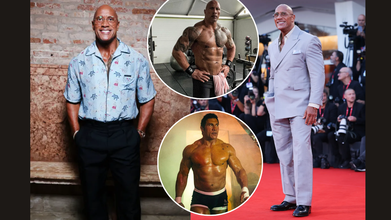
Dwayne “The Rock” Johnson has always been synonymous with strength, charisma, and an iconic muscular frame. But this week, fans barely recognized him. At 53, the actor unveiled a dramatically slimmer look while promoting his latest film, The Smashing Machine, leaving social media buzzing. Dropping an astonishing 60 pounds for his role as MMA champion Mark Kerr, Johnson’s transformation has sparked curiosity, how did one of Hollywood’s most ripped stars achieve such a drastic change and could it really be done safely? From diet tweaks to intense training, this transformation is surely a masterclass in discipline, science, and sheer determination.
From his WWE wrestling days to blockbuster hits like Fast & Furious and Black Adam, his signature look has been about size, strength, and power. But when he stepped onto the red carpet at the 82nd Venice International Film Festival, fans were stunned. Johnson, 53, appeared dramatically slimmer, having shed close to 60 pounds for his role in The Smashing Machine, a biopic about MMA legend Mark Kerr.
Clad in a sharp double-breasted suit and subtle glasses, Johnson looked nearly unrecognizable. Social media lit up with reactions ranging from admiration to disbelief. “The Rock turned into a pebble,” one fan quipped on X, while others speculated whether Hollywood’s latest weight-loss trend—injectables like Ozempic or Mounjaro played a role.
So how did the world’s most famous action star pull off such a radical transformation?
Dwayne Johnson Weight Loss: The Acting Role That Sparked a Transformation
The Smashing Machine, tells the turbulent story of Mark Kerr, a former NCAA wrestling champion; to do justice to Kerr’s complicated journey, Johnson didn’t just rely on prosthetics and wigs. He physically reshaped his body to mirror the leaner, battle-worn frame of an MMA fighter from the late 1990s. Speaking at Venice, Johnson admitted:
“This transformation was something I was really hungry to do. I’ve been fortunate in my career, but there was a little voice inside me that said, ‘What if I could do more?’”
How Did Dwayne Johnson Lost 60 Pounds?
Dropping 60 pounds is not a casual feat, especially for someone with Johnson’s naturally muscular build. It requires precision, planning, and science-backed strategies. Here’s a breakdown of what likely fueled his transformation:
1. A New Approach to Nutrition
Johnson has long been known for his intense, protein-rich “cheat meals” and high-calorie fueling. But slimming down for The Smashing Machine would have meant rethinking everything.
Caloric Deficit: To lose weight, he would have needed to burn more calories than he consumed daily. Reports suggest that his intake was strategically lowered while still supporting performance and energy.
Lean Proteins: While reducing muscle bulk, protein remains essential for muscle maintenance. Sources like grilled fish, egg whites, and lean chicken likely became staples.
Lower Carbs, Smarter Fats: Instead of bulking carbs, Johnson likely shifted toward complex carbs (like sweet potatoes and oats) and healthy fats (avocados, olive oil, nuts).
Hydration and Water Manipulation: A technique Johnson previously described during Black Adam prep. Adjusting water and sodium intake helps achieve a leaner, tighter look.
2. Training Like a Fighter, Not a Bodybuilder
Unlike superheroes or action roles that required maximum size, portraying Kerr demanded a more athletic, fight-ready build. Johnson’s training likely included:
Functional Strength Workouts: More bodyweight exercises, compound lifts, and fight-specific movements rather than sheer heavy lifting.
Cardio Conditioning: Interval training, long sessions of steady-state cardio, and possibly combat drills to replicate an MMA fighter’s stamina.
Mobility & Agility Training: Essential for replicating Kerr’s fighting style and reducing the risk of injury at 53.
Did Dwayne Johnson Use Ozempic or Fat-Loss Injections?
The internet buzzed with speculation about whether Johnson joined the list of celebrities turning to medications like Ozempic or Mounjaro, designed for diabetes but widely used for rapid weight loss.
There’s no confirmation from Johnson himself, and given his history of meticulous training regimens and diet transparency, it seems more plausible that his transformation was the result of strict lifestyle changes rather than pharmaceutical shortcuts.
Still, experts note that rapid and dramatic changes like this are usually only sustainable under professional supervision something Johnson has access to with his longtime trainer, Dave Rienzi.
This isn’t the first time Johnson has dramatically altered his physique for a role. For Black Adam (2022), he revealed how he worked “harder than ever” on dieting and training, manipulating sodium and water retention to achieve a superhero’s shredded frame.
The difference this time? Instead of aiming for mass and density, he trimmed down to reflect vulnerability, endurance, and realism. It’s a striking reminder that body transformations in Hollywood aren’t always about getting bigger—they’re about embodying a character.
Why Are Celebrity Weight Loss Transformations Becoming Popular?
Johnson’s transformation adds fuel to the ongoing discussion about how actors reshape their bodies for roles. Christian Bale, Matthew McConaughey, and Joaquin Phoenix all underwent dramatic shifts for character authenticity. But for Johnson a man defined by his physique it’s particularly startling.
His leaner frame also resonates with broader health conversation and the possible use of weight loss injections to transform into a leaner more "fitter" body. With obesity rates soaring and plant-based diets, intermittent fasting, and medical interventions gaining traction, fans are asking whether their favorite stars are adopting the same tools everyday people use—or something far more extreme.
Fitness Lessons You Can Apply To Your Journey
Dwayne Johnson’s new look may be for a role, but it underscores timeless lessons about health and body transformation:
- Significant weight changes require discipline, nutrition, and tailored exercise.
- Quick fixes, like weight-loss injections, remain controversial and should be supervised by medical professionals.
Even at 53, with the right guidance, it’s possible to reshape your body dramatically though sustainability depends on balance, not extremes.
Johnson has proven once again that his career is about more than action-hero brawn. His latest transformation shows he’s still willing to push physical and emotional limits to tell a story reminding fans that even “The Rock” is capable of change.
India For The First Time Has Guidelines On Muscle Loss
Credits: Canva
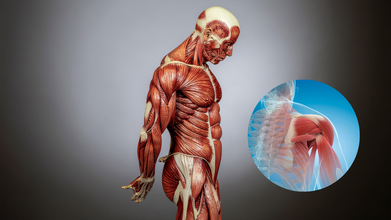
Mobility and independence are two things that keep people healthy, however, with age, as bones weaken and muscle is lost, elderly become more dependent. This condition is called sarcopenia, or age-related muscle loss. India is finally focusing on this and have now new guidelines to warn people against it.
The Geriatric Society of India released country's first 'Indian Guidelines for the Evaluation and Management of Sarcopenia'. These guidelines are a combination of recommendations by experts across multiple specialties, including geriatric medicine, orthopedics, endocrinology, physiotherapy and nutrition. These guidelines aim to help doctors detect and treat muscle loss early. The aim is to not let elderly compromise with their independence.
Also Read: Bruce Willis Health Update: His Death News Is A Hoax; 'He's Still Alive And Well'
What Is Sarcopenia?
Sarcopenia literally translates to 'loss of flesh'. Medically, it refers to gradual decline in muscle mass, strength and physical function with aging. While it is often overlooked, it is also the major reason for many fractures and hospitalizations of older adults, and sometimes, even death.
India is expected to have around 319 million people aged over 60 by 2050, which is one-fifth of the population. It could be concerning as they are at risk of sarcopenia. Studies have also shown that the number has increased from 8-18 per cent to 25-40 per cent adults, especially hospitalization cases. Experts point out that those with chronic diseases like diabetes are at a higher risk.
What Are The First Indian Guidelines On Muscle Loss or Sarcopenia?
Dr OP Sharma, who led guidelines said that muscle health is most important for healthy aging. "Strength preserves dignity. Early detection saves independence," he said. Dr Sharma also noted that the sedentary lifestyle, poor nutrition and chronic illnesses are accelerating this condition among seniors.
The guidelines also advise doctors to look for warning signs in patients, which include weak grip strength, slower walking speed, or difficulty getting up from a chair. There are also screening tools like SARC-F questionnaire, which could help identify those at risk.
The ray of hope here is that sarcopenia could be prevented or slowed that too with simple lifestyle changes.
What Lifestyle Changes Could Prevent Sarcopenia?
- Strength training exercises
- Adequate protein consumption
- Correcting deficiency including vitamin D and calcium
Doctors are also advising to eat a balanced diet, which includes protein, fats, green vegetables, and pulses. Dr Raju Vaishya of Indraprastha Apollo Hospitals said, "India is a sarcopenic nation". He pointed that everyone needs to be aware about muscle health, however this awareness remains low in the country.
Dr Randeep Guleria said the guidelines aim to brings muscle health into routine medical care. "They bridge science with clinical wisdom, making sarcopenia visible in everyday practice."
Can Just 10 Minutes of Exercise Reduce Depression?

Credit: Canva
A new Nature Human Behaviour (2026) study suggests that single-session psychological exercises lasting less than 10 minutes can lead to measurable decreases in depression symptoms even one month later.
Depression is one of the most common mental health disorders in the world. Every year, hundreds of millions of people suffer from depression, and many are unable to get therapy because of cost, stigma and the dearth of mental-health professionals.
Symptoms include excessive sadness, depression often includes fatigue, changes in appetite, sleep disturbances, difficulty concentrating and feelings of hopelessness. Treatment requires professional guidance for diagnosis and management.
A 10-Minute Intervention With Lasting Effects
Researchers conducted one of the largest randomized controlled trials testing short mental-health exercises and recruited 7,505 adults in the United States who were suffering from symptoms of depression and randomly assigned them to one of several short digital interventions or to a control group.All the brief interventions took less than 10 minutes to complete and were designed to teach practical coping skills that are commonly used in psychotherapy. Some exercises helped participants to reframe negative thoughts, while others focused on motivation, goal-setting or making sense of things by helping others. Participants completed surveys measuring their well-being immediately after the session and again one month later.
The results were striking: while many exercises boosted motivation and hope immediately, two interventions - Interactive Cognitive Reappraisal and Finding Focus - showed measurable reductions in depression symptoms even after a month. On average, participants experienced about a four percent greater reduction in depression scores compared with the control group.
Although the improvement may appear small, researchers note that brief, scalable interventions could reach millions of people who currently lack access to mental-health care as they can be completed in a few minutes and delivered online, these exercises may allow people to take initial steps toward better mental health, especially those waiting for professional help or unwilling to ask for help.
The scientists also stressed that these activities are not intended to substitute for therapy, but should be seen as readily available tools to help with emotional health.
Exercise and Mental Health: A Growing Body of Evidence
Previous research also shows that a quick burst of activity can make you feel better from other research too. A British Journal of Health Psychology 2024 study found that just 10 minutes of daily mindfulness practice significantly improved well-being and reduced symptoms of depression and anxiety among more than 1,200 participants from 91 countries.
Similarly, the US National Institutes of Health (2019) reviews suggest that the physical activity itself may help improve mood and depressive symptoms, strengthening the relationship between movement and mental health.
Collectively, these findings suggest that even small doses of mental or physical activity may lead to psychological benefits.
A Small Step That Can Make a Difference
Depression can make people feel trapped and out of control. The good news of the new research is that it suggests that big changes aren’t always necessary to move forward.
Sometimes, doing a small task, like spending 10 minutes learning a new coping skill or doing a quick mental exercise, is enough to change the way you think and gradually improve mood.
As researchers investigate these brief interventions, one thing is becoming clear: when it comes to mental health, few minutes matter more than we think.
Can Too Much Running Worsen PCOS? Gabby Logan Opens Up About Athlete Daughter’s Diagnosis

Credits: Instagram
British broadcaster Gabby Logan has revealed that her 20-year-old daughter Lois has been diagnosed with polycystic ovary syndrome (PCOS), a hormonal condition that may require her to step back from high-intensity endurance sport, including extreme long-distance running.
Speaking on her Mid-Point podcast, Logan said the diagnosis came after medical consultations about her daughter’s health and training. During the appointment, a specialist advised Lois to avoid “extreme running,” prompting mixed emotions in the family, concern about the condition, but also relief about scaling back punishing physical goals.
What PCOS Means for Athletes
PCOS is one of the most common endocrine disorders in women of reproductive age, affecting an estimated 8–13 per cent globally. It occurs when the body produces higher levels of androgens (male-type hormones) and often involves insulin resistance.
The condition can cause irregular periods, acne, excessive hair growth, weight changes and fertility challenges. Many patients also have difficulty regulating blood sugar, increasing long-term risks of type 2 diabetes and heart disease.
While exercise is widely recommended as a cornerstone of PCOS management, helping improve insulin sensitivity, metabolism and mood, specialists say the type and intensity of exercise matter.
Why Extreme Endurance Could Be A Problem
Doctors cautioned Lois against extreme endurance events such as half-marathons because prolonged, high-intensity training can significantly elevate cortisol, the body’s primary stress hormone.
In people with PCOS, hormonal balance is already fragile. Persistently high cortisol may:
- worsen insulin resistance
- disrupt ovulation further
- aggravate fatigue and inflammation
- intensify menstrual irregularities
In other words, although movement is beneficial, chronic physical stress can sometimes counteract the hormonal stability patients are trying to restore.
Moderate-intensity exercise, brisk walking, strength training and shorter runs, is generally considered more supportive for hormone regulation than sustained high-intensity endurance workloads.
From Half Marathon To Shorter Goals
Logan previously completed the London Landmarks Half-Marathon with Lois in 2024, describing the preparation as mentally and physically demanding. The pair had hoped to repeat the experience, but the new medical advice has changed those plans.
Instead, they now intend to focus on shorter runs together.
The television presenter admitted she felt a surprising sense of relief at the specialist’s recommendation, recalling how intense the training had been for both of them.
A sporting life continues — just differently
Lois, a competitive showjumper and university student, has long balanced academics with elite sport. She has ridden horses since childhood and competed at national levels, later even participating in a charity jockey race — an experience she described as “brutal.”
Her diagnosis does not end her athletic pursuits, but it reshapes them.
Medical experts increasingly stress that PCOS management is not about stopping exercise but tailoring it. Sustainable training, adequate recovery, and balanced nutrition often produce better long-term hormonal outcomes than relentless endurance performance.
For athletes with PCOS, the goal shifts from pushing physical limits to supporting physiological stability — a change that, doctors say, can ultimately protect both performance and health.
- Follow Us :


© 2024 Bennett, Coleman & Company Limited