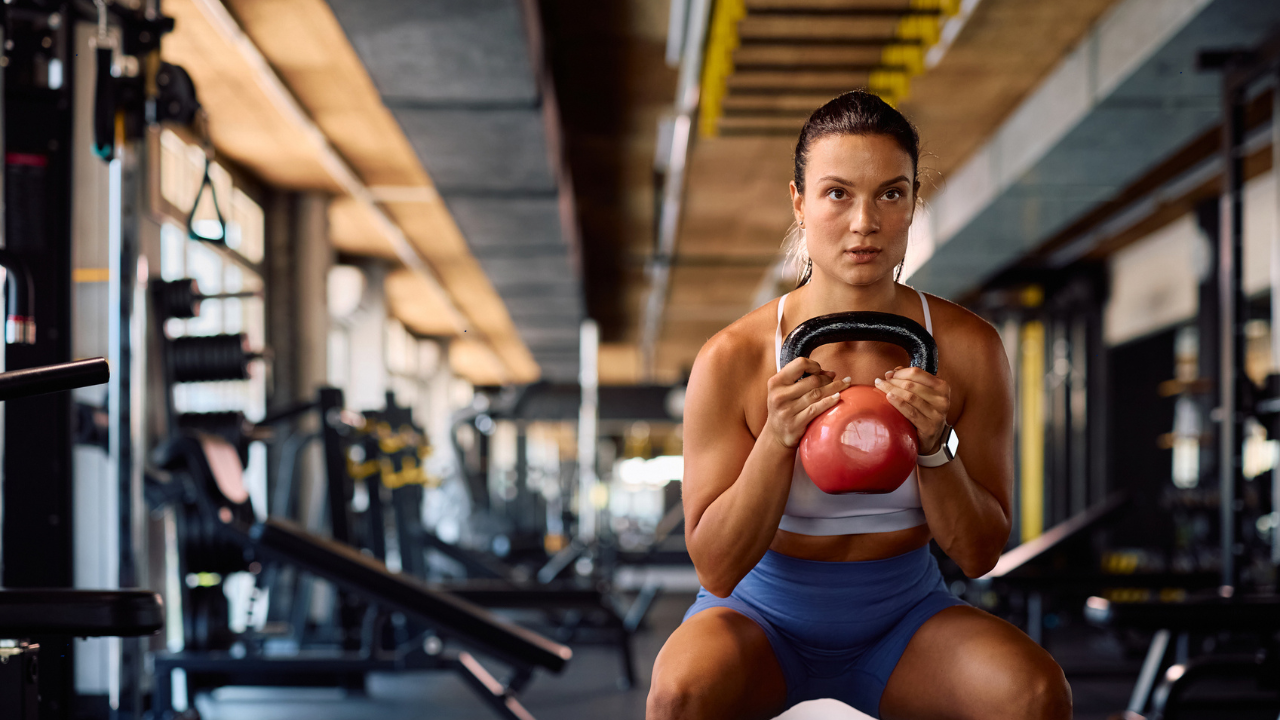
For many women, fitness is still wrongly linked only with loss of weight, a slim body, or a certain physical appearance. In reality, fitness is much more than body size. It is also about strength, flexibility, hormonal balance, mental strength, bone strength, and long-term disease prevention. A woman may not look thin and still be metabolically healthier and more active than someone who normally appears slim but has poor muscle strength and low stamina.Myth: Strength Training Makes Women BulkyLifting heavy weights in the gym makes women bulky is the most common myth. This is not true for most of the women. Strength-related training helps to improve the tone of muscles, posture, metabolism, and density of bones. It is mainly important because women are at a greater risk of osteoporosis later in life. Regular resistance exercise can also help to protect the joints, reduce the risk of injury, and support healthy ageing.Myth: Cardio Alone Is EnoughSome practices, such as walking, running, or cycling, are very good for the health of the heart, but cardio alone is not enough. Women also need a well-balanced routine that includes strength-related training, stretching, mobility exercises, and proper recovery as well. A complete fitness plan supports a better level of energy, improves the composition of the body, strengthens bones, and improves insulin sensitivity.Fitness Supports Hormonal and Mental HealthDuring different stages of women's lives, exercise plays a very major role, including menstruation, pregnancy, postpartum recovery, perimenopause, and menopause. Regular physical exercise can also help to reduce stress, improve sleep, support mood regulation, and lower the risk of lifestyle-related conditions such as obesity, diabetes, hypertension, and PCOS-related complications.The Real Goal: Consistency Over IntensityWomen do not need extreme diets or exhausting workouts to stay fit. Even 30 minutes of regular movement, when integrated with strength exercises two to three times a week, can make a great difference. The main goal should be sustainable fitness, not punishment. When women see fitness as self-care rather than pressure, it becomes a powerful tool for confidence, independence, and long-term health.