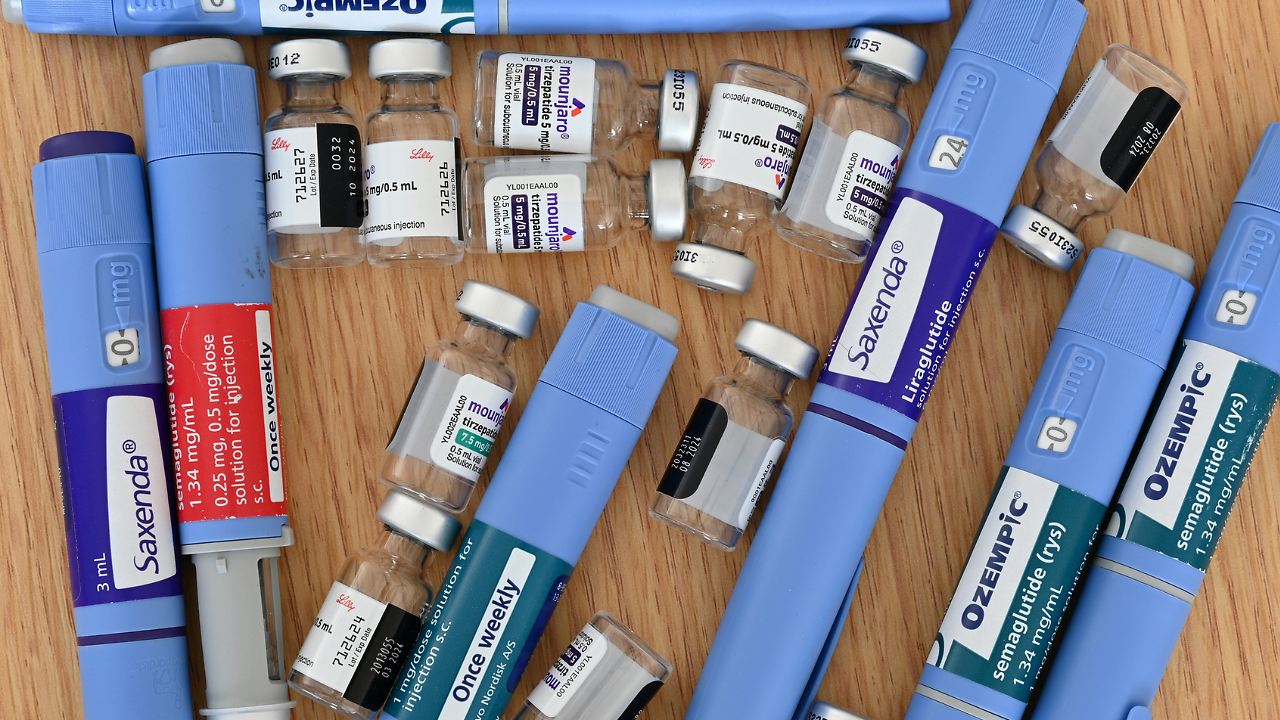
Two Indian nationals have been held in the US over an alleged international scheme of smuggling and selling counterfeit Ozempic. The US Food and Drug Administration (FDA) said Swapnadip Roy, 33, and Vicky Ramancha, 37, allegedly obtained counterfeit Ozempic from unauthorised sources in China and sold it to US distributors at deeply discounted prices between July 2023 and April 2024. Roy was extradited from Italy and has pleaded not guilty, while Ramancha remains at large. This has raised fresh concerns about the risks of counterfeit GLP-1 medicines. The counterfeit products allegedly included fake packaging, package inserts, pen labels and needles, designed to make them appear like genuine Ozempic. The alleged scheme continued even after the FDA seized some counterfeit products and issued a public warning in December 2023. Risks Of Fake GLP-1 Drugs Counterfeit medicines may not contain the primary drug they claim to contain. The FDA warns that fake drugs can contain the wrong ingredients, too much or too little of the active ingredient, no active ingredient at all, or harmful substances. With injectable medicines like Ozempic, contaminated or counterfeit needles can also create an infection risk. This is particularly concerning with GLP-1 drugs because medicines like semaglutide and tirzepatide are increasingly being used for diabetes and weight management. A person buying a fake injection may therefore have no reliable way of knowing what they are actually putting into their body.Also read: 21% In 80 Weeks: Lancet Study Finds Lilly’s Retatrutide Delivers One Of The Biggest Weight Losses EverFDA Issued A Warning Acting FDA Commissioner Kyle Diamantas said, "Infiltrating the American drug supply with counterfeit products isn’t just a crime — it’s also a direct threat to public health and patient safety."He added, "The FDA will continue to trace illicit networks wherever they lead, across borders and through complex supply chains, to ensure that anyone who seeks to profit off counterfeit medicines face accountability — all in our mission to keep Americans safe."The Justice Department has stressed that the charges are allegations and that the defendants are presumed innocent unless proven guilty.Assistant Attorney General A. Tysen Duva of the US Justice Department said, “These defendants allegedly exploited people’s health to pay themselves. We will keep pursuing anyone who seeks to deceive American consumers with counterfeit drugs.” Also read: From 365 Shots To 52: How Could Lilly’s Newly-Approved Weekly Insulin Injection Change Diabetes CareHow Can You Spot A Counterfeit GLP-1 Drug?The FDA advises consumers to look for several warning signs.1. Check The PackagingDoes the packaging look different from what you normally receive? Changes in fonts, spelling, labels, colours, printing quality or packaging can be warning signs of a counterfeit medicine. 2. Be Careful While Purchasing OnlineThe FDA specifically warns consumers to be cautious when buying GLP-1 medicines online. Unapproved or illegally marketed versions of semaglutide and tirzepatide may be counterfeit or contain harmful ingredients.The agency recommends purchasing medicines only from state-licensed pharmacies. 3. Look At The PriceA dramatically lower price can be a red flag, particularly when an expensive prescription medicine is being offered through an unauthorised seller. In the alleged US scheme, counterfeit Ozempic was sold to distributors at deeply discounted prices. 4. Watch For Unexpected Side EffectsA new or unusual reaction after taking a medicine can also be a warning sign. The FDA lists unexpected side effects among possible indicators of counterfeit medicines.What Should You Do If You Suspect You Have Bought A Fake Injection?Contact your doctor or pharmacist and verify the product before taking a dose if you suspect your medicine is fake. Patients should also avoid buying GLP-1 medicines through social-media sellers, unverified websites or other unauthorised sources.