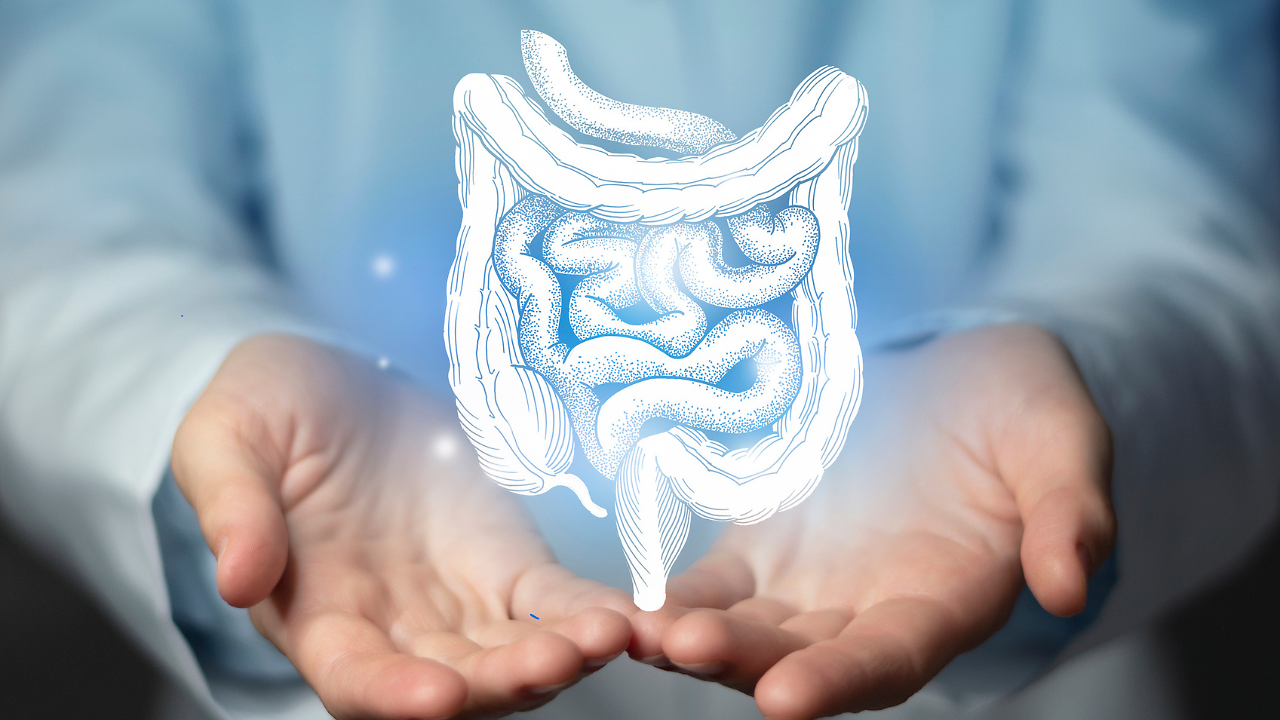
From H. pylori and parasitic infections to metabolic and lifestyle-related conditions, the global burden of gastrointestinal (GI) diseases is changing, said experts at the World Congress of Gastroenterology (WCOG) 2026 in New Delhi today. Being held in India for the first time, the four-day Congress brings together around 3,000 delegates from 61 countries to discuss the changing burden of gastrointestinal and liver diseases, early diagnosis, prevention and treatment. Speaking at a media roundtable, Dr Govind Makharia, Professor, Department of Gastroenterology and Human Nutrition Unit, AIIMS New Delhi, stated that "the GI disease burden is changing in both its scale and clinical profile. Alongside infections such as H. pylori and parasitic diseases, metabolic and lifestyle-related conditions are becoming increasingly important". He stressed the need for making timely diagnosis critical, whether for liver disease, colorectal cancer, celiac disease or IBD. H. pylori And Cancer Risk Notably, infections like H. pylori have become a major driver of cancer. A recent Lancet study found that five infections, including H. pylori and HPV, contribute to about 1 in 8 cancers worldwide. Speaking to HealthandMe, Dr Garg said H. pylori is a very important bacterial infection that resides in the stomach. “It is very common in India; about 40-60% of people might be affected by this. It has been shown that H. pylori infection can cause swelling in the stomach, can cause ulcers in the stomach, and in some cases may also cause gastric or stomach cancer. It has been classified as a carcinogen,” he said. However, he stressed that H. pylori infection does not mean a person will develop cancer. “So, it is not that anybody who is infected with this will develop cancer. This is very, very important for people to understand otherwise, there will be a lot of scare,” he cautioned. On whether everyone with H. pylori should be treated, Garg said the answer depends on the context. “In some countries, they are testing and treating; in others we are not advocating routine testing and treating because the other factors which lead to cancer are not fully known in that case.” Also read: Fatty Liver, Chronic Gut Diseases And Worm Infections: India’s Changing Disease BurdenMASLD And Liver Disease The experts also discussed colorectal cancers, MASLD and liver disease and stressed the need to strengthen screening, risk stratification, newer pharmacological approaches and identifying patients at risk of hepatocellular carcinoma. “Gastrointestinal diseases may present differently across populations, but many of the challenges are shared. Earlier diagnosis, access to evidence-based treatment and stronger prevention strategies remain important priorities,” said Professor Carolina Olano, Professor and Director, Department of Gastroenterology, Universidad de la República, Uruguay, and President, World Gastroenterology Organisation. Alongside these clinical priorities, WCOG 2026 is also highlighting simple measures for better digestive and liver health, including safe food and clean water, a balanced diet, regular exercise and avoiding alcohol. How Can You Boost Your Digestive and Liver Health Beyond diagnosis and treatment, the experts also highlighted simple measures that can support digestive and liver health. 1. Wash it. Cook it. Keep it safe. 2. Eat a balanced diet. 3. Eat smart, not large. 4. Eat slowly. 5. Make yoghurt your daily gut friend. 6. Drink water and eat whole fruits, not just fruit juice. 7. Think twice before eating processed, fatty or sugary foods. 8. Your liver is better without alcohol. 9. Exercise daily for better health and long-term wellness. 10. Sharing is caring — but not all the time. The four-day Congress is jointly organized by the Indian Society of Gastroenterology and the World Gastroenterology Organization under the theme “Transforming Gastrointestinal Health, Preserving Nature.”