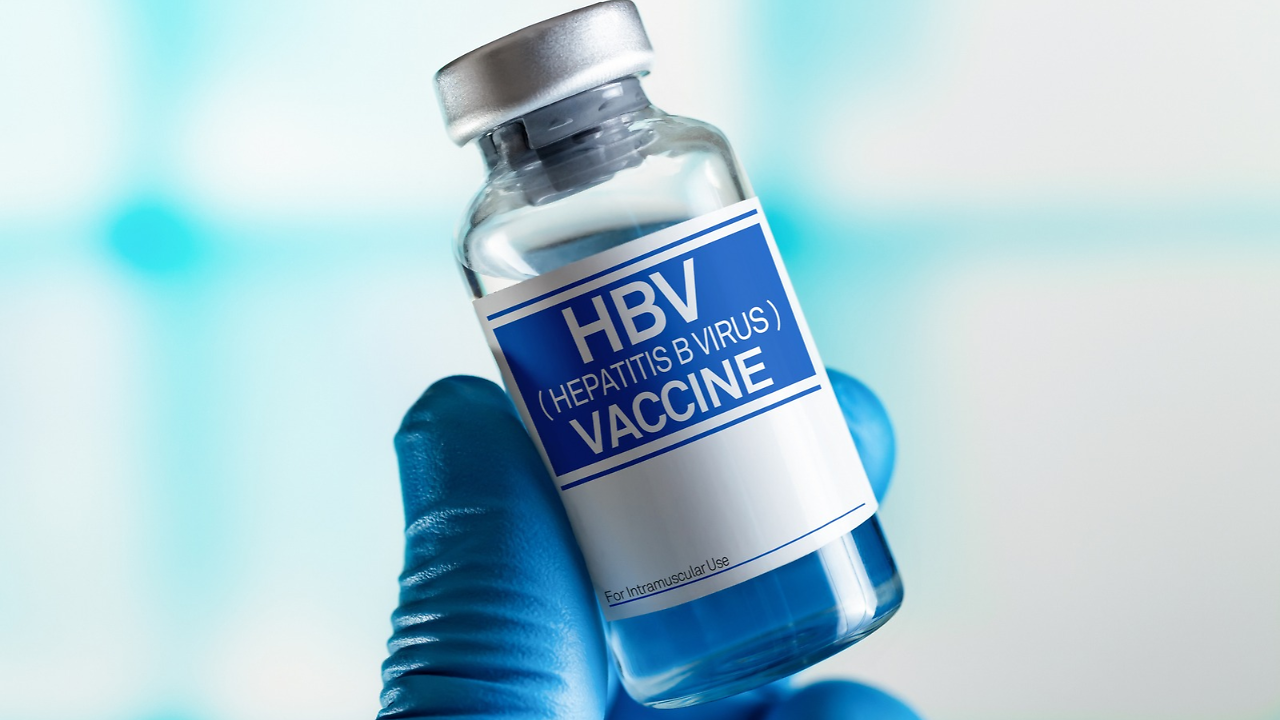
As many as 500 newborns at Albany Medical Center in New York received hepatitis B vaccine doses that had been stored at an improper temperature in a refrigerator. While the improperly stored doses pose no health threat to the infants who received them, the hospital said the storage lapse may have compromised the vaccines' effectiveness. The newborns may now need repeat doses to ensure they are protected against hepatitis B. State Department of Health workers reviewing refrigeration logs ahead of a hospital site visit found that the vaccines had been stored below the manufacturer's recommended temperature range, The Times Union reported. Why Repeat Hepatitis B Vaccine Doses May Be Needed Also read: Hepatitis B Infections Could Rise 83% If US Changes Newborn Vaccine Policy: StudyThe improper storage may have affected the vaccines' effectiveness, meaning the infants who received them may not have developed adequate protection against hepatitis B and could need repeat doses.Albany Medical Center said it has sent letters to affected parents and their children's doctors explaining that repeat doses may be necessary. A hospital spokesperson added that the Center has also apologised for the error and has implemented additional safeguards. Hepatitis B vaccines require strict temperature control to maintain their effectiveness. Immunize.org recommends storing all hepatitis B-containing vaccines between 2°C and 8°C (36°F and 46°F) and cautions against freezing them.According to the Children's Hospital of Philadelphia, vaccine storage errors must be assessed individually in consultation with health authorities. Doses found to be expired or nonviable generally cannot be counted as valid, and non-live vaccine doses may need to be repeated as soon as possible. Why Hepatitis B Birth Dose Is Important For NewbornsRead More: RFK Jr-Backed Hep B Researchers Face Police Raid in Guinea-Bissau: Why the Newborn Vaccine Trial Is ControversialThe universal hepatitis B birth-dose recommendation was introduced in the US in 1991. The first dose provides early protection, including in cases where maternal infection is missed or a child's exposure risk is not recognised. Newborns typically receive their first hepatitis B vaccine dose shortly after birth, often before they leave the hospital. The American Academy of Pediatrics recommends that newborns receive the first dose within 24 hours of birth, followed by a second dose within two months. School-aged children must receive three doses in total. The vaccine protects against a virus that can cause serious liver disease. In New York, about 90% of children complete the full three-dose vaccine series before age three, according to Kaiser Family Foundation figures cited in The Times Union report.What is Hepatitis B? Hepatitis B is a viral infection that affects the liver and spreads through infected blood and certain bodily fluids, including during childbirth. An infection acquired during infancy is particularly concerning because it is more likely to become chronic. Over time, chronic hepatitis B can lead to cirrhosis, liver failure or liver cancer. In December 2025, the US Advisory Committee on Immunization Practices recommended replacing universal vaccination at birth with shared decision-making for infants whose mothers test negative for hepatitis B. The Centers for Disease Control and Prevention adopted this approach in January 2026. Babies born to mothers who test positive or whose infection status is unknown continue to be recommended to receive the birth dose promptly, along with hepatitis B immune globulin when indicated.