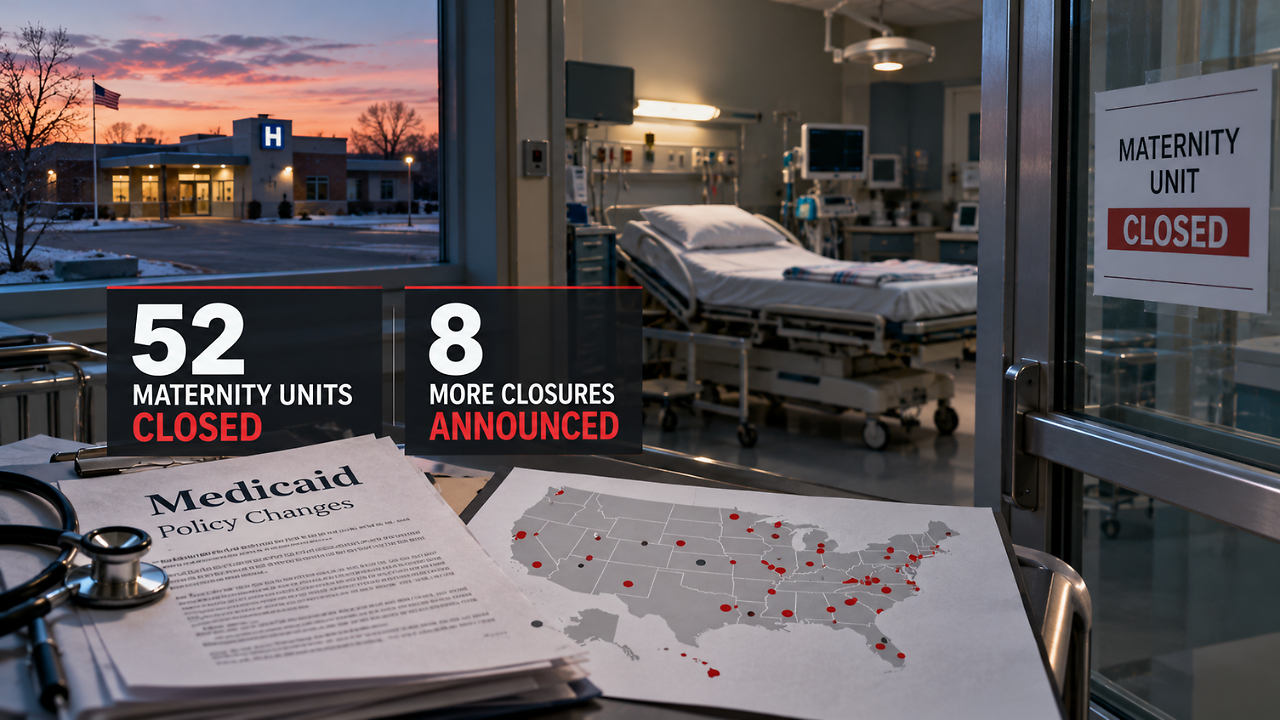
Since July 2025, at least 52 maternity units across the United States have been shut down. Eight more closures were announced recently, raising concerns that upcoming federal Medicaid cuts could further restrict access to pregnancy and neonatal care, especially in rural communities and regions with limited healthcare resources. The closures come as hospitals prepare for changes under the HR1 bill, which will reduce federal Medicaid funding and introduce stricter eligibility rules and work requirements. Although the legislation's impact is expected to be felt in 2027, some hospitals have already cited the anticipated changes as a reason for ending maternity services. US Maternity Units Are ClosingAlso read: High BP in Pregnancy Linked to 42,000 Maternal Deaths, 500,000+ Stillbirths, Newborn Deaths: WHOMaternity wards are expensive to operate because they require round-the-clock staff, special equipment and teams trained for emergencies. Low reimbursement rates, staffing shortages, and declining birth rates have already placed financial pressure on hospitals. Reduced Medicaid funding could make it harder for some hospitals to keep these services. Erin Jones, senior director of legislative and strategic counsel at the nonprofit March of Dimes, warned that the changes could worsen existing healthcare problems. “We’re deeply concerned that these changes already have and will continue to worsen an already serious maternity care crisis,” she said. “Reduced funding and restrictions on how states finance Medicaid will put additional pressure on state budgets and hospitals, increasing the risk that communities lose essential maternity services and specialized providers close to home.” Hospitals that have permanently closed maternity wards include Centra Southside Community Hospital in Virginia and St Mary’s Sacred Heart Hospital in rural northeastern Georgia. Both mentioned upcoming federal Medicaid policy changes as the reasons for their decisions. Impact Of Medicaid Cuts On Pregnant WomenAlso read: American Academy of Pediatrics Warns Of Raw Milk Risks, Calls For BanMedicaid is a major source of health coverage for low-income Americans, paying for approximately 40% of births in the country. Changes to the program could affect hospitals’ finances as well as patients’ ability to receive health coverage. Although pregnant women are supposed to be exempt from the new work requirements, eligibility rules could still create difficulties for some patients. Benjamin Sommers, a professor of healthcare economics at Harvard University’s T.H. Chan School of Public Health, said the law would “absolutely” affect pregnant women and pregnancy care facilities. “It’s not true that this law in any way protects Medicaid for pregnant mothers, for low-income parents. It adds financial strain to the providers and the insurance program that they rely on,” he said. Sommers warned that some pregnant women are enrolled through Medicaid expansion rather than a pregnancy-specific category. If state authorities do not know that a beneficiary is pregnant, she may not be automatically protected from the new requirements. “Someone could be enrolled through Medicaid expansion, they could get pregnant and they could mistakenly think – because they heard it on the news that this law doesn’t affect pregnant people – [they’re] fine, and it turns out the state doesn’t know they’re pregnant and they lose coverage." Rural Communities At Risk The consequences of maternity unit closures can impact other aspects other than childbirth. Pregnant women may have to travel farther for antenatal appointments, emergency obstetric care and delivery, adding transport costs and making timely treatment more difficult. March of Dimes has identified 31 rural hospitals with labour and delivery services that could be at risk. If these units close, 96 counties could lose their remaining local delivery services, Jones warned. “Losing these services means fewer places to deliver safely and fewer options for pregnancies requiring specialized care,” she added. The organisation’s 2026 report found that 34.6% of US counties were maternity care deserts, meaning they had no obstetric clinicians or birthing facilities. These areas are home to approximately 2.4 million women of reproductive age.