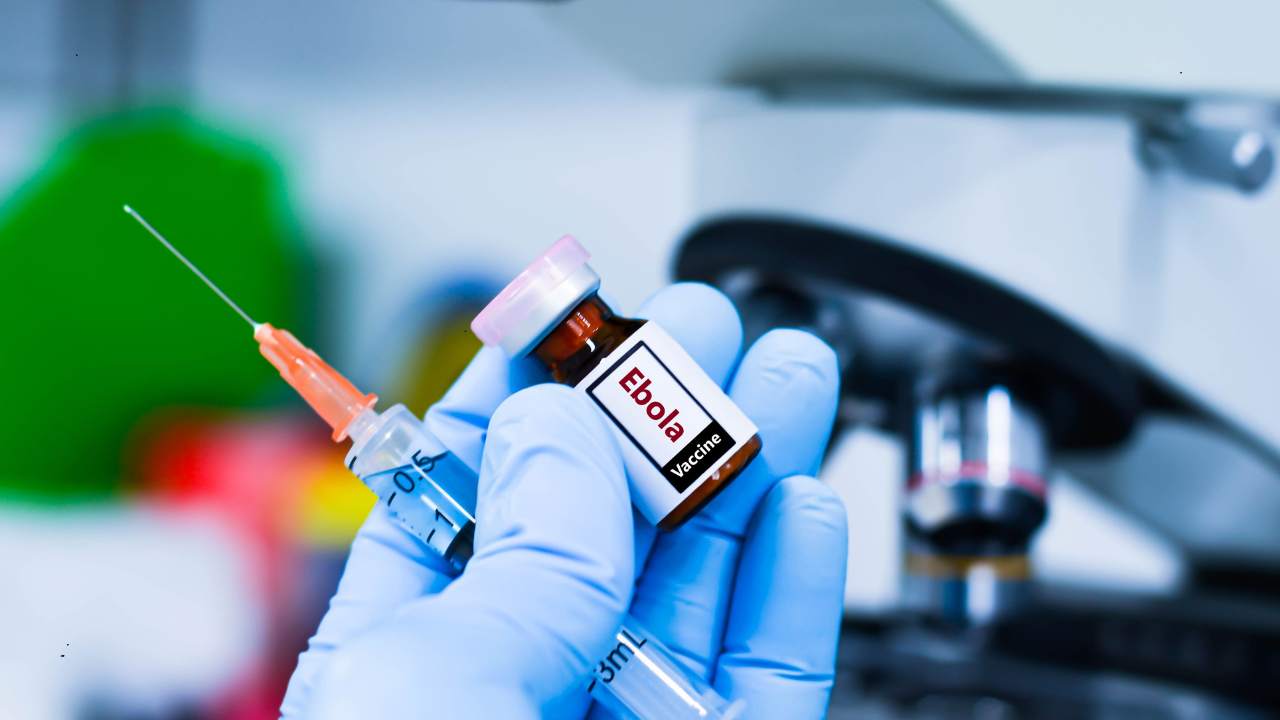
The United States is now providing doses of an experimental Ebola treatment developed by Mapp Biopharmaceutical for clinical trials in the Democratic Republic of Congo, where a growing outbreak of the Bundibugyo strain has infected more than 1,000 people and claimed over 250 lives. The decision marks a significant shift from the U.S. government's earlier stance, which limited access to the drug to Americans considered at high risk of exposure.Health officials are racing to find effective ways to contain the outbreak, as there are currently no approved vaccines or treatments specifically designed for the Bundibugyo strain of Ebola. A small number of cases and deaths have also been reported in neighboring Uganda, raising concerns about the disease spreading further across the region.The experimental therapy, known as MBP134, was developed by San Diego-based Mapp Biopharmaceutical. While the U.S. had previously kept its stockpile for potential use in exposed American citizens, it is now making doses available to support clinical research in Congo. This is the first time Washington has publicly committed stockpiled supplies of the treatment for a broader international trial.According to the World Health Organization, researchers will test MBP134 both on its own and alongside the antiviral drug remdesivir, marketed as Veklury. Remdesivir became widely known during the COVID-19 pandemic and is being evaluated to see whether it can improve outcomes when combined with the antibody treatment.Also Read: Nutritional Foods That Help Keep Cholesterol Under ControlEbola Situation In Western AfricaThe confirmed cases in the Ebola outbreak in the Democratic Republic of Congo (DRC) have reached the highest total ever recorded during the first month of an outbreak in Africa, according to the World Health Organization (WHO).As of June 22, confirmed Ebola cases in Congo had risen to 1,094 and deaths to 277, according to the DRC Ministry of Health. The WHO raised concerns about the rapid spread of the deadly virus and the challenges facing containment efforts.“This is the largest number of confirmed cases in the first month of an Ebola disease outbreak in Africa,” said Dr Abdirahman Mahamud, Director, Health Emergency Alert and Response Operations at WHO, during a press briefing in Geneva."What is important is we need to scale up and this outbreak is moving faster than us," he told reporters after returning from Bunia last week.Mahamud also noted signs of hope, highlighting a quick increase in the number of Ebola beds to over 500 in the past fortnight and signs that community resistance and violent resistance to Ebola responders was beginning to abate.As of June 24, Uganda had recorded 20 confirmed Ebola cases, including two fatalities. The latest infection was identified on June 21, with no additional cases reported afterward. Of the confirmed infections, 15 were linked to travel from the Democratic Republic of the Congo (DRC), while five resulted from local transmission. Among the nine cases with available location data, eight were detected in Kampala and one in the neighboring Wakiso District.