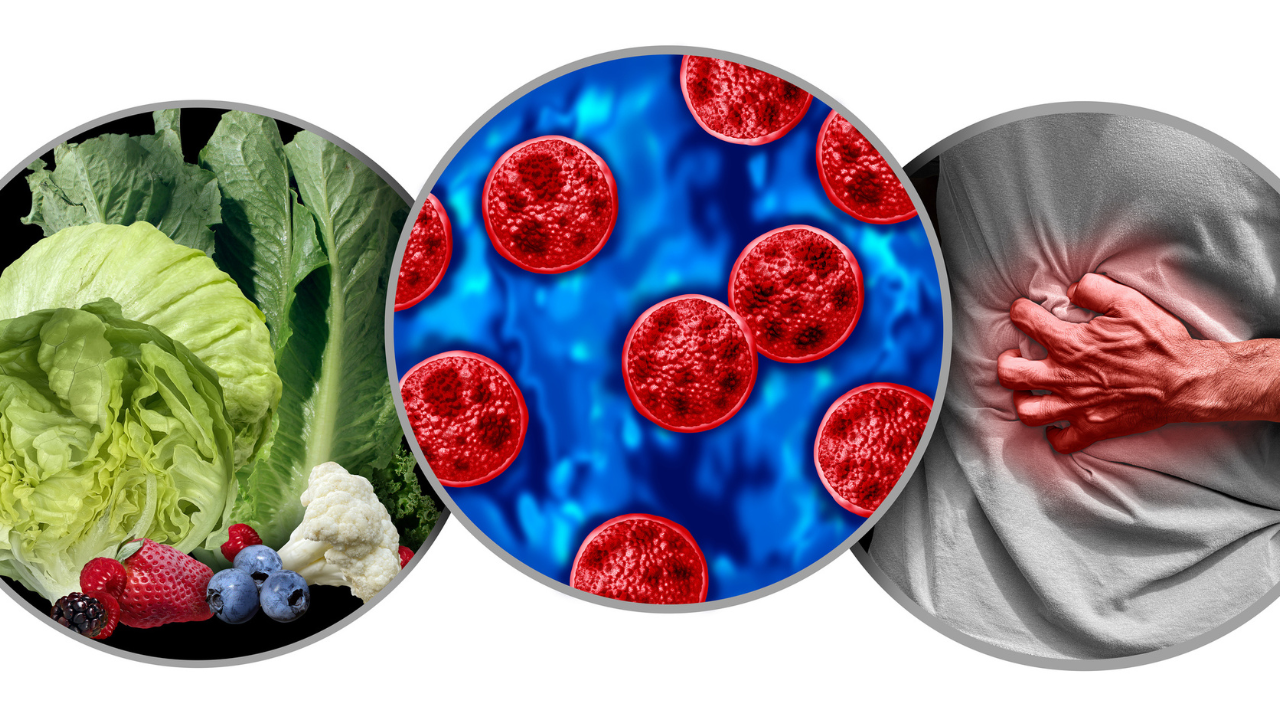
The United States has declared that its largest cyclosporiasis outbreak is finally over. According to reports, contaminated iceberg lettuce was associated with nearly 13,000 infections across 21 states.The outbreak caused 12,883 reported illnesses, 570 hospitalisations and two deaths in Michigan, according to the US Centers for Disease Control and Prevention (CDC). While health officials say there is no longer a risk from the recalled lettuce, the investigation into how the parasite contaminated the food in the first place is still ongoing.Why Cyclosporiasis Outbreak Source Is Still Not Known?The outbreak was traced through investigations linked to iceberg lettuce sourced from central Mexico by Taylor Farms de Mexico.The FDA said the investigation included people who reported eating processed iceberg lettuce served or purchased at different locations, including Taco Bell. The agency eventually converged on Taylor Farms as the common supplier and the company recalled the affected lettuce in July.The FDA has now completed onsite inspections and sample collection at lettuce farms and the processing facility in Mexico. But, lab analysis of those samples is yet to be carried out.This means investigators know which food was linked to the outbreak, but have not yet determined exactly where or how Cyclospora entered the lettuce supply chain.Also read: Cyclospora to Alzheimer’s: Trump Administration Scales Back Key Health ResearchWhat Is Cyclospora And How Does It Make You Sick?Cyclospora is a microscopic parasite called Cyclospora cayetanensis that infects the intestines. People usually develop symptoms about a week after consuming contaminated food or water, although the incubation period can range from two days to two weeks or longer.The most common symptom is prolonged watery diarrhoea, which may be accompanied by abdominal cramps, bloating, nausea, fatigue, loss of appetite, weight loss and increased gas.Unlike many short-lived stomach infections, cyclosporiasis can persist or return if it is not treated. Prolonged diarrhoea can also lead to dehydration, which can become particularly dangerous in vulnerable people.Also read: Broccoli Sprouts Linked To Salmonella Outbreak In US: 22 Cases Reported, FDA SaysMassive Scale Of The Outbreak The scale of this outbreak was massive. Before 2026, the largest recorded US cyclosporiasis season occurred in 2019, with around 4,700 illnesses documented nationwide. This single outbreak alone resulted in nearly three times that number.At its peak, more than 1,000 infections were reported in a single day before the recall. By August, infections had fallen to fewer than two per day on average, after which the CDC determined that the outbreak was over.The FDA now says it is confident that all recalled iceberg lettuce linked with this specific outbreak has been removed from the market. The agency is continuing its investigation with US and Mexican authorities to determine the root cause and improve prevention measures. Cyclospora Risk Still Persists The specific lettuce outbreak is considered over, but Cyclospora infections have not disappeared from the US. CDC recorded 19,595 laboratory-confirmed, domestically acquired cyclosporiasis cases between May 1 and August 31, 2026. The Taylor Farms outbreak accounted for more than half of those cases, while other Cyclospora clusters are still under investigation.Consumers must understand that fresh produce can occasionally become contaminated with parasites before reaching the plate. FDA recommends following food-safety practices and carefully cleaning surfaces or containers that came into contact with recalled produce.