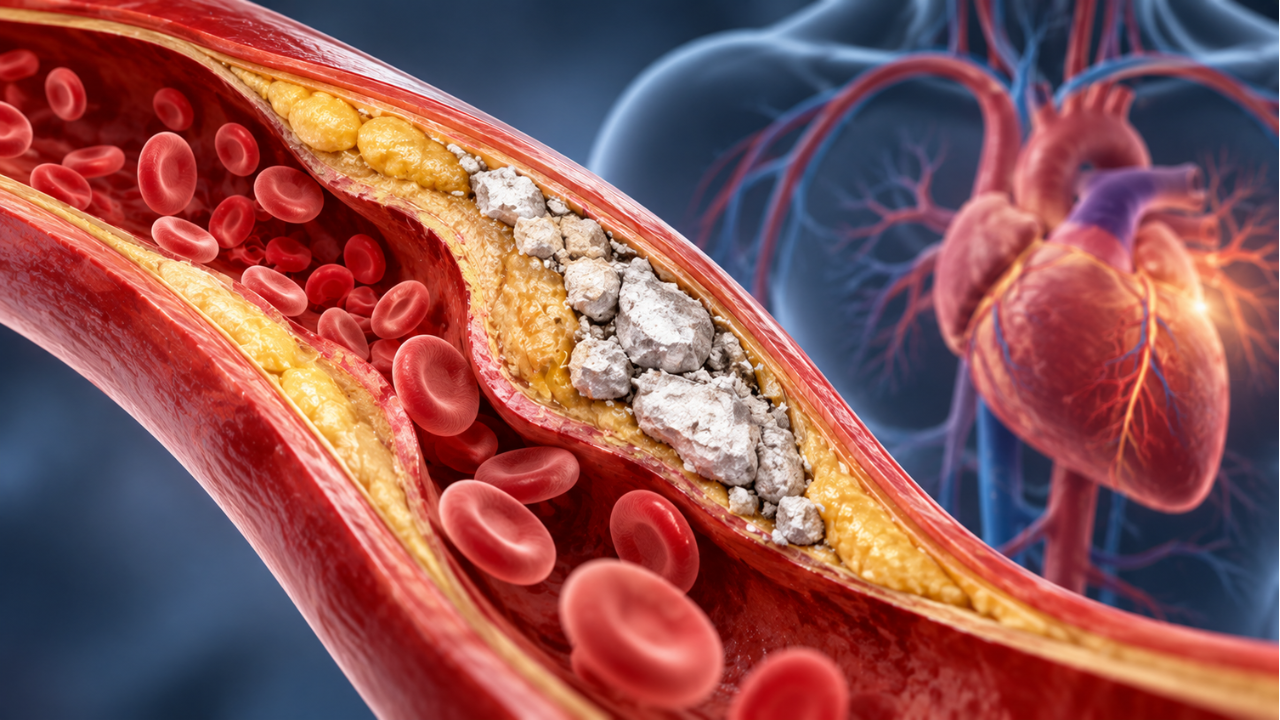
Heart disease is often associated with cholesterol, but calcium also plays a major role. Over time, calcium deposits accumulate within blood vessel walls. Combining with fats and cholesterol, calcium forms hard, cement-like plaque inside coronary arteries. Known as arterial calcification, this process stiffens vessels and narrows pathways supplying oxygen-rich blood, forcing the heart to work harder to pump blood. Causes of Calcium Build-Up Several factors contribute to calcium accumulation in blood vessels. Aging naturally increases the likelihood of mineral deposits forming within tissue. Also, high blood pressure damages arterial linings, allowing calcium and lipids to settle. Conditions such as diabetes, chronic kidney disease, elevated cholesterol and smoking further promote chronic inflammation and mineral deposition in vessel walls. Signs and Symptoms to Watch For In its early stages, arterial calcification rarely causes noticeable warnings. However, as calcified blockages grow and restrict blood flow, individuals may experience: Chest discomfort, tightness, or pressure during physical exertion or emotional stress Shortness of breath during routine daily activities Unexplained fatigue, persistent light-headedness, or sudden dizziness Severe chest pain radiating to the arm, neck, or jaw during a heart attack Also read: This Common Heart Attack Risk Starts Silently In Healthy People In Their 20sTips for Prevention Preventing arterial calcification requires managing core cardiovascular risk factors, such as: 1. Healthy eating habits - Adopting a balanced diet rich in fiber, vegetables, and lean proteins helps manage lipid levels. Limiting saturated fats and processed foods reduces inflammation contributing to plaque formation. 2. Stay physically active - Engaging in aerobic exercise, such as brisk walking, promotes vessel elasticity. Regular activity strengthens cardiac muscle and improves overall circulation throughout the vascular system.3. Avoid tobacco exposure - Avoiding tobacco and limiting second-hand smoke exposure prevents severe arterial wall damage. Smoking accelerates inflammation and mineral deposition in blood vessels.4. Monitor key health indicators - Tracking blood pressure, cholesterol, and blood sugar levels allows early risk factor management. Controlling underlying conditions through lifestyle changes or prescribed medications minimizes calcification risks. 5. Maintain a healthy weight – Maintaining a healthy body weight helps reduce the risk of high blood pressure, diabetes, and abnormal cholesterol levels, all of which can contribute to arterial damage and calcification. A combination of a balanced diet and regular physical activity can support healthy weight management.Also read: Exclusive: GLP-1 Drugs Are The ‘New Statins’, Says University Hospital Birmingham Professor Diagnostic Methods for Detecting Calcium Specialized imaging tests to identify calcium build-up are utilized. A coronary calcium scan, a specialized computed tomography (CT) scan, measures calcified plaque volume in heart arteries. Higher calcium scores indicate elevated cardiovascular risk. If significant blockages are suspected, a coronary angiogram, using special dye and X-rays to assess blood flow and obstruction hardness is performed. Treatment Options Managing calcified arteries requires medical therapy and advanced interventions. While statins control cholesterol levels and blood thinners prevent clots, heavily calcified plaques often necessitate surgical procedures to restore blood flow. Rotational atherectomy, employing a microscopic diamond-tipped drill to gently shave away hardened calcium, or intravascular lithotripsy, using sonic pressure waves to break apart mineral buildup are utilized. Following calcium fragmentation, a tiny mesh tube called a stent to keep the artery open is placed. In complex cases with multiple blockages, coronary artery bypass graft (CABG) surgery is performed. This procedure uses a healthy vessel taken from another part of the body to bypass blocked segments and restore circulation. Prompt medical evaluation is crucial for preventing severe cardiac events. Individuals experiencing chest discomfort, unexplained shortness of breath, or reduced exercise tolerance should consult a physician without delay. Routine cardiac evaluations enable timely medical intervention before arterial calcification causes irreversible heart damage. By Dr. Vikas Thakran, Consultant – Cardiology, Manipal Hospital Dwarka, New Delhi