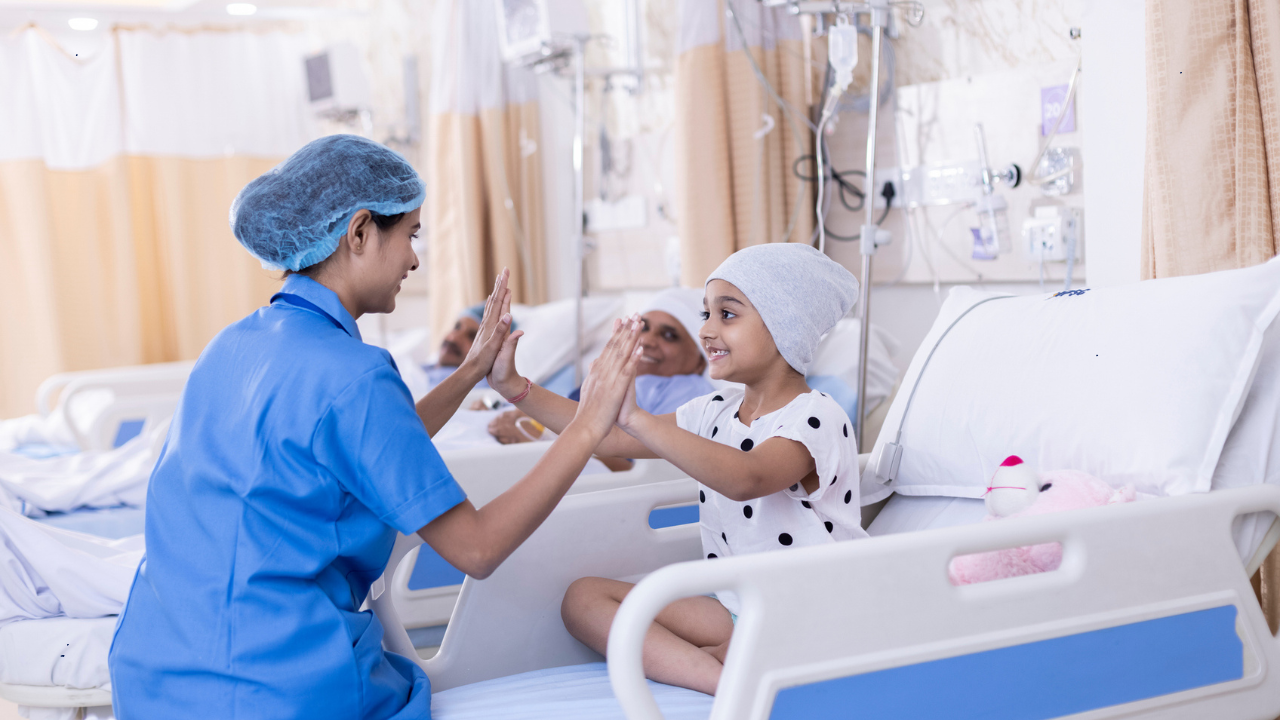
Cancer care has evolved significantly over the last few decades. Today, success is measured not only by survival rates but also by quality of life, emotional well-being, and the ability to return to a regular life after treatment. Yet, in our pursuit of patient-centered care, an essential component often remains invisible: caregivers.Every cancer diagnosis affects more than just the patient. Behind every woman navigating treatment is often a spouse, parent, sibling, child, or friend who assumes the role of caregiver. They accompany patients to appointments, help manage treatment schedules, provide emotional reassurance, and often become the primary support system through one of life's most challenging experiences.Why Caregivers Need SupportDespite their indispensable role, caregivers frequently receive little formal support themselves.As oncologists, we witness this every day. We see caregivers putting their own health, careers, and emotional needs on hold to care for a loved one. While patients are understandably at the center of treatment, caregivers often carry an immense psychological and physical burden that goes unrecognized. Through years of clinical practice, I have come to understand that caregivers are not merely bystanders in the cancer journey; they are active partners in healing. Yet, many families find themselves navigating unfamiliar territory with little guidance on what to expect, how to cope, or where to seek support.The guide was conceived as a practical, step-by-step resource to help caregivers navigate different stages of the cancer journey from diagnosis and treatment to recovery and survivorship. More importantly, it acknowledges their resilience, fears, sacrifices, and emotional struggles, while equipping them with the information and support needed to care for both their loved ones and themselves.Cancer Survivorship Is a Shared JourneyCancer survivorship does not begin when treatment ends; it begins when patients and families start rebuilding their lives after cancer. Survivors may continue to face concerns around recurrence, fertility, body image, relationships, mental health, and long-term treatment effects. Caregivers, too, often carry lingering anxiety, exhaustion, and emotional trauma long after active treatment is over.If we truly want to improve survivorship outcomes, caregiver support must become a standard component of oncology care rather than an afterthought.This support can take many forms. It may include counselling services, support groups, educational resources, survivorship planning sessions, and opportunities for caregivers to openly discuss their own concerns. Equally important is creating healthcare environments where caregivers feel seen, heard, and included in care conversations.Moving Towards Holistic Cancer CareIt is about time cancer care should move beyond a disease-centered approach towards a more holistic understanding of survivorship. While medical treatment remains central, there is growing recognition that recovery is also shaped by emotional well-being, family support systems, fertility concerns, body image, nutrition, rehabilitation, and quality of life after treatment.This broader view of cancer care requires us to look beyond the patient alone. Caregivers are often the invisible backbone of the treatment journey, yet their needs frequently go unaddressed. As healthcare professionals, we must acknowledge that supporting caregivers is not separate from supporting patients. It is an integral part of comprehensive cancer care and long-term survivorship.Caring Beyond CureAs healthcare systems continue to advance, we must expand our understanding of what comprehensive cancer care looks like. A patient cannot thrive in isolation. When caregivers are empowered, informed, and emotionally supported, patient outcomes improve and survivorship becomes more sustainable for everyone involved.Cancer survivorship is not an individual journey. It is a shared experience of resilience, hope, and recovery. By recognizing caregivers as integral members of the care team and providing them with the support they need, we move one step closer to a more humane and holistic model of oncology care, one that truly cares beyond cure.(Dr. Jyoti Wadhwa, Principal Lead, Medical & Precision Oncology, Apollo Athenaa Women's Centre)