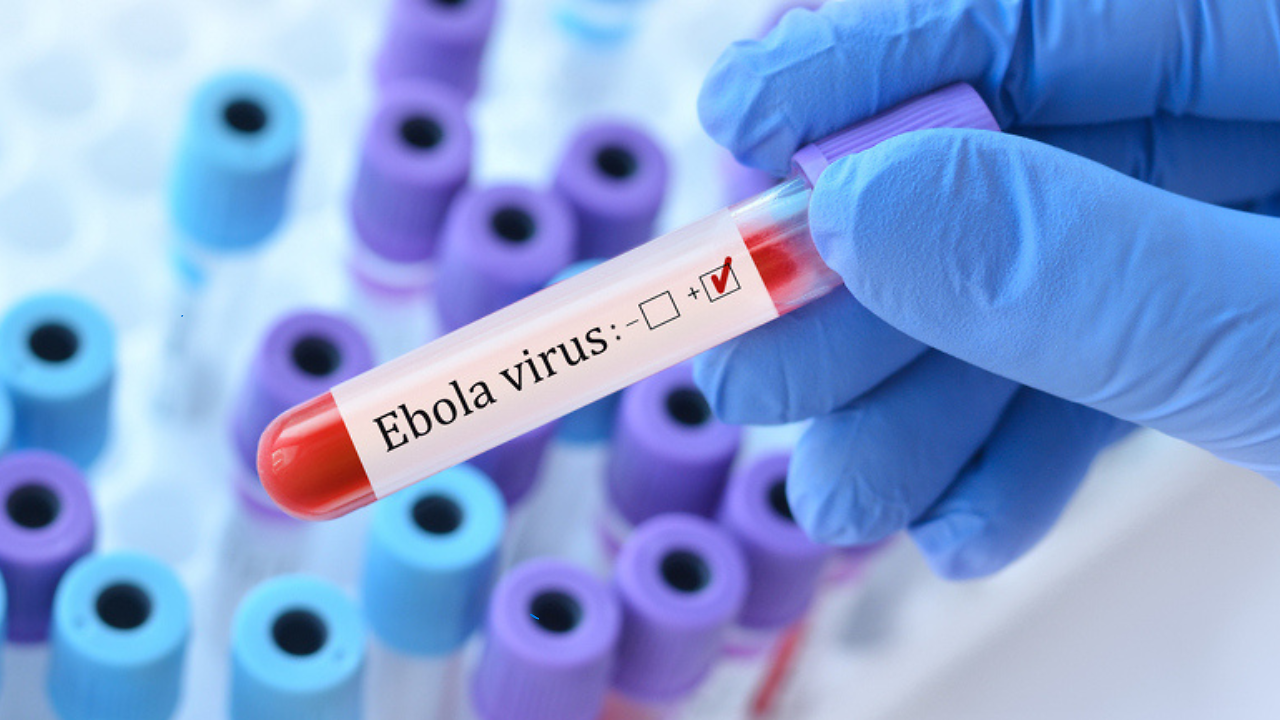
The Ebola outbreak, declared an emergency in May, continues to spread in the Democratic Republic of the Congo (DRC). According to the latest update from DRC health authorities, confirmed cases have surpassed 8,000, while the death toll is nearing 4,000.The World Health Organization (WHO) warned that the outbreak remains large, geographically expanding and marked by sustained transmission.The DRC “had recorded 8,067 confirmed cases, including 3,901 deaths, with a case fatality rate of 48.4 per cent,” according to the latest government situation report. It has spread to seven health zones.“The continuously high case fatality ratio, and especially the continuous high rate of deaths occurring in communities, highlights the seriousness of the disease and the persistent challenges in timely case detection and access to early and adequate patient care,” the WHO said in its latest Disease Outbreak News.However, Dr Janet Diaz of the WHO’s Health Emergencies Program told reporters in Geneva that “we are beginning to see a reduction in transmission in some areas, the number of cases remains high for this outbreak”.Treatment Delays Remain A ConcernDr Diaz said that although it is known that “early access to care can significantly improve chances of survival,” “Yet in this outbreak, many people are still dying at home or in their communities because they are unable to reach health facilities on time.”“Delays in seeking care, together with challenges in access and referral, continue to complicate the response,” she said, adding that WHO and its partners have focused on improving early recognition of illness, rapid referral systems and early supportive care.“Every patient bed requires a skilled workforce to provide safe, quality care around the clock,” Dr Diaz said.Oxygen Access A Key ChallengeA key component of supportive care for patients with Ebola, particularly those with severe illness, is oxygen. Yet this life-saving medicine remains “unavailable or unreliable in many health facilities, especially in emergency settings”.Ensuring access to oxygen requires functioning health systems, reliable infrastructure, trained health workers and sustainable delivery systems “that reach patients wherever they are”.“Without previous oxygen scale-up efforts in Ebola and Marburg [virus disease] responses, we would not be where we are today in terms of more positive outcomes for patients,” she noted.Vaccine Trials UnderwayWhile there is currently no approved vaccine against Ebola Bundibugyo virus, vaccine trials are underway. Clinical trials of specific vaccines and treatments against the Bundibugyo virus are also ongoing. The DRC also received more than 70,000 doses of the Ervebo vaccine last month. Ervebo is approved for protection against the more common Zaire Ebola virus. DRC’s 17th Ebola OutbreakThe outbreak, caused by the rare Bundibugyo virus, was declared by the WHO on May 15. It is the DRC’s 17th Ebola outbreak since the virus was first identified in 1976.It is also the second-deadliest Ebola outbreak on record, behind the West African outbreak that lasted from 2014 to 2016.