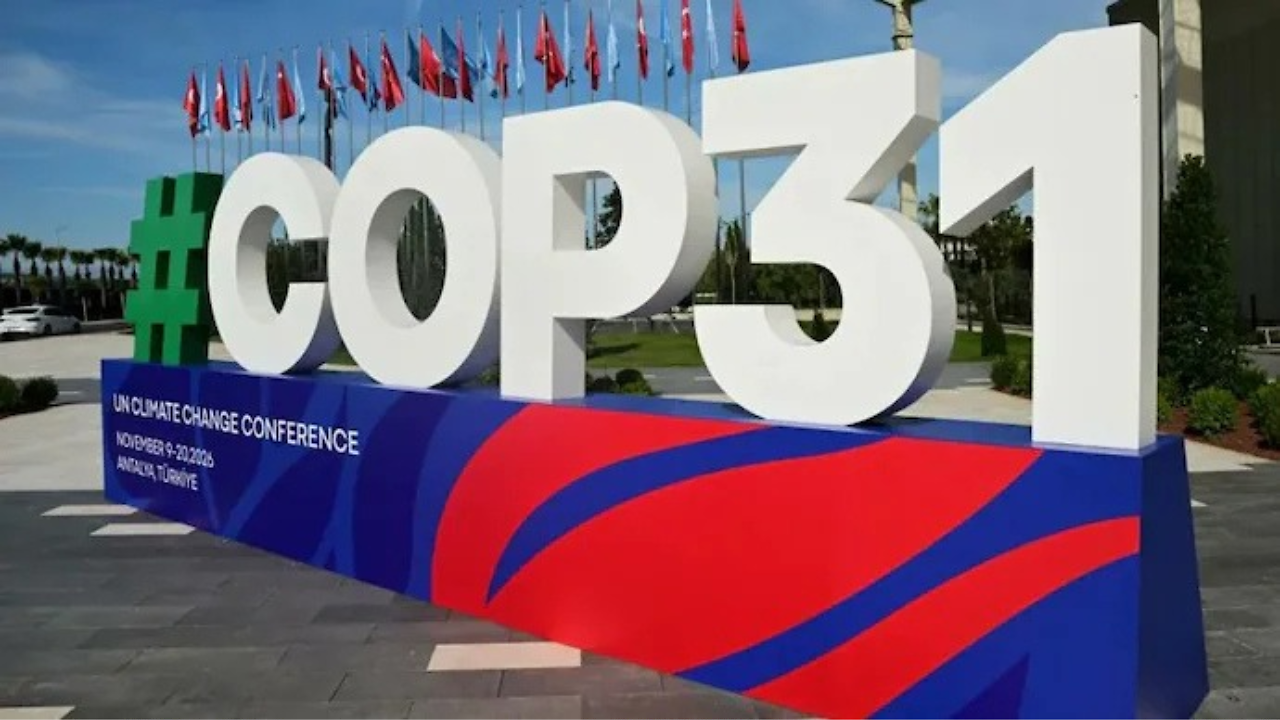
Climate change is no longer a distant environmental concern. The effects of increasing temperatures, extreme weather events, melting glaciers, changing rainfall patterns and worsening air pollution on human health are alarming. Countries are continually identifying these health risks but monitoring if their climate policies are actually effective is the big question. This is one of the important areas of discussion at the 31st United Nations Climate Change Conference (COP31), which starts on November 9, 2026 in Antalya, Türkiye.The World Health Organization (WHO) is stressing upon health to become a central part of climate policy discussions. The health body has urged countries to increase focus on measurable action, healthcare systems that can withstand climate change and funding to execute those actions.Ahead of the conference, Dr Diarmid Campbell Lendrum, Head of the Climate Change, Energy, and Air Quality Unit at WHO headquarters said, “Health is the strongest argument for climate action."Countries Need Reliable Health Indicators For Climate ChangeAlso read: Climate Crisis Is A Health Crisis: Just 6 Actions Could Save 1.6 Million Lives, Says WHOClimate change has numerous effects on health. Extreme heat can lead to dehydration, heat exhaustion and heatstroke, while floods and droughts can disrupt access to safe drinking water, food and healthcare. Changing temperatures and rainfall patterns can also fuel spread of infectious diseases, including mosquito-borne illnesses.Air pollution, which is closely linked to the burning of fossil fuels, adds to the burden of respiratory and cardiovascular disease.However, measuring these effects is not as straightforward as one might think. An increase in hospital admissions during a heatwave, for instance, could be considered an indicator, but countries also need to monitor who is most affected, whether healthcare facilities can cope and whether preventive measures are working.A WHO review published in October 2025, Mapping Climate Change and Health Indicators, examined 31 reports from 22 countries. It identified 3,880 indicators being used to assess health risks related to climate change. After removing overlaps and combining similar measures, researchers identified 1,684 unique indicators.These indicators covered climate hazards, population exposure, vulnerability, health outcomes, the impact on healthcare systems, future risks, and the policies and resources available to address them.What Will Countries Measure?Also read: Big Lancet Report: Heat-Related Deaths Rise 36% Since Paris Climate Agreement, Global Warming BlamedHealth indicators can help governments think beyond recording extreme weather events and examine their consequences for public health and healthcare systems. Some of the areas that countries could monitor include:Heat-related illness and deaths: Hospital admissions, emergency visits and mortality linked to extreme temperatures.Infectious diseases: Changes in the geographical spread of climate-related diseases, including dengue and malaria.Food and water security: Malnutrition, food insecurity and illnesses linked with unsafe drinking water.Healthcare infrastructure: The number of hospitals vulnerable to floods, heatwaves and other extreme weather events.Healthcare preparedness: Availability of early warning systems, emergency response plans, trained health workers and essential emergency medicines.Population vulnerability: Health impacts on children, older adults, people with disabilities, outdoor workers and underprivileged communities.What Is WHO Calling For At COP31?WHO is using COP31 to push for stronger implementation of existing climate and health commitments. Its priorities include making healthcare systems resilient to climate change, reducing the health sector's environmental footprint and ensuring that health considerations are included in climate policies and financing decisions.The conference will begin with a dedicated Health Day on November 9, featuring discussions on health technologies related to climate, digital health, humanitarian response and resilient healthcare systems. WHO's November 2026 briefing estimates that 3.3 to 3.6 billion people live in contexts highly vulnerable to climate change. It also says that scaling up six climate health actions could save 1.6 million lives annually and generate around US$24 in returns for every dollar invested.Ultimately the challenge for countries is to turn climate and health commitments into measurable improvements. Tracking heat-related deaths, diseases, healthcare preparedness and unequal health impacts can help governments understand where action is working and where gaps remain.