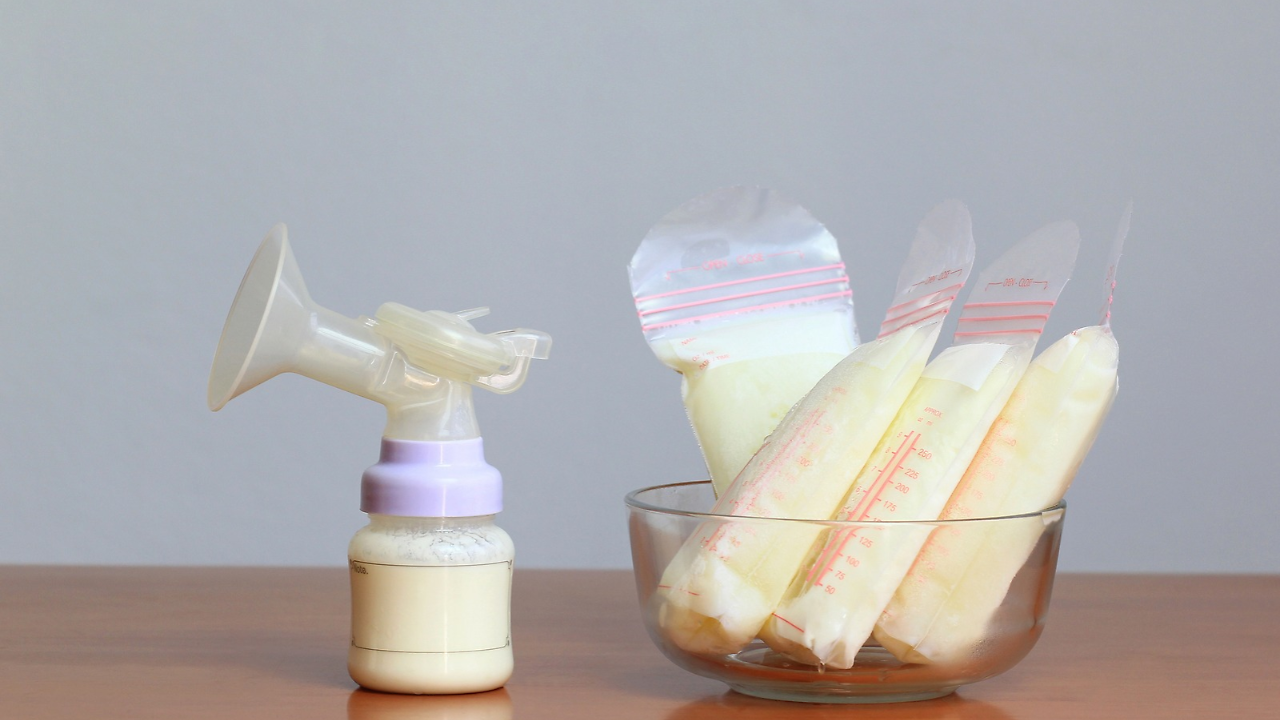
Breast milk is the best source of nutrition for infants, providing essential nutrients and immune protection that support healthy growth and development. Breast milk ensures the required nutrition and immune protection for the child.Certain maternal and birth-related factors, such as prolonged or complicated labour, caesarean delivery, postpartum complications, maternal illness, and delayed initiation of breastfeeding, may contribute to delayed onset of lactogenesis II (the onset of copious milk production). Late onset of milk production may lead to the discontinuation of breastfeeding in the early stages and result in increased weight loss in the baby and the need for formula feeding.Galactagogues, also called lactagogues, are substances that are believed to support milk production through various mechanisms. Some may influence hormones involved in lactation, including prolactin, although their exact mechanisms and effectiveness vary. They affect milk production in a physiological way. The most effective lactagogue is suckling. There are galactagogues, which increase milk production and can be taken through diet.What Are GalactagoguesThe word “galactagogue” is derived from the Greek words galacta, meaning milk, and agogos, meaning leading or promoting. They may be medicines or natural products such as food and herbs. Galactagogues work by influencing the hormones responsible for promoting milk production, which include prolactin (PRL).Natural galactagogues have been used for a very long time to facilitate the production of breast milk. They are proven to be both safe and effective even though there is insufficient scientific evidence regarding their efficacy.How Do Galactogogues works?The exact mechanism of action of many natural galactagogues is not fully understood. Lactation is regulated by several factors and hormones. Prolactin plays an important role in milk synthesis, while oxytocin is responsible for the milk-ejection or let-down reflex. Some substances may influence hormonal pathways, including prolactin secretion; however, the mechanisms and clinical effectiveness of many herbal galactagogues remain uncertain.Foods That Support Milk ProductionFenugreek SeedsFenugreek is one of the most commonly used herbal galactagogues. Some studies suggest that it may support milk production; however, evidence remains limited and inconsistent. It may also cause side effects such as gastrointestinal discomfort, diarrhoea, sweating, or a maple syrup-like odour of sweat and urine in some individuals.GarlicGarlic has been used as a natural lactation booster since ancient times. Garlic is one of the most effective functional foods that help enhance breast milk production. The aroma of garlic gets passed into breast milk and can help prolong the sucking time of babies and even affect their food choices later in life.Fennel seedsThe consumption of fennel seeds works as a galactagogue by inducing the secretion of prolactin through the mechanism of a dopamine antagonist. These include anethole, a natural plant substance having estrogenic effects that assist in signaling the production of milk.BarleyBarley contains beta-glucan, a type of soluble fibre. Some preliminary research suggests that beta-glucan may influence prolactin levels; however, more research is needed to determine whether barley consumption directly increases breast milk production. Barley contains gluten and should be avoided by individuals with coeliac disease or gluten-related disorders as advised by their healthcare professional.ShatavariIt is rich in folic acid, vitamins A, C, and K, as well as phytoestrogens, which play a role in hormone regulation in relation to milk production, just like estrogen. Some of the factors regulating prolactin secretion are estrogens, which promote the growth of prolactin-secreting cells, enhance prolactin secretion, and reduce dopamine concentration. Tryptophan is another constituent that is known to be an essential amino acid that may increase prolactin secretion.Drumstick leaves (Moringa)Moringa (Moringa oleifera) leaves are traditionally used to support lactation and are also nutritionally rich. Some small studies suggest a possible benefit in supporting milk production, but further high-quality research is required to establish its effectiveness and optimal use.Cumin seeds (Jeera)Cumin seeds are commonly used as a culinary spice and have traditionally been included in postpartum diets. However, scientific evidence specifically supporting cumin as an effective galactagogue is currently limited. The plant has been found to contain estrogenic properties because of the increased development of mammary glands and hence milk production.GingerGinger is widely used as a culinary spice and has been traditionally included in postpartum diets. Limited research has explored its potential role in supporting lactation; however, there is currently insufficient evidence to confirm its effectiveness as a galactagogue.ConclusionGalactogogues have become a subject of increasing interest as an emerging field of study, as herbs and spices have been extensively used traditionally to increase milk production. While some plants have traditionally been used as galactogogues over many years, there is still little scientific information on their efficacy and safety, which varies depending on the specific herb. Some research indicates possible effects, but additional high-quality research is required to prove their efficacy, safety, and mode of action. Therefore, galactagogues should be viewed as an auxiliary measure rather than a replacement for consistent and efficient breastfeeding and proper diet.