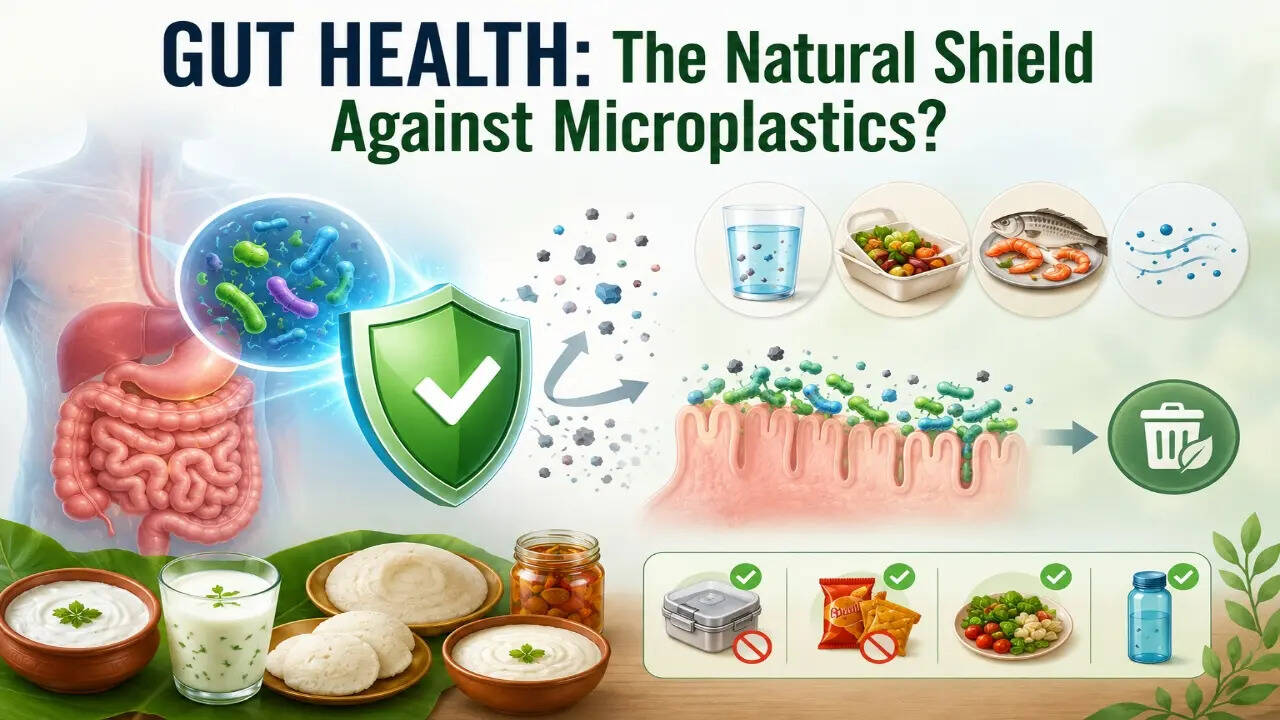
Microplastics and nanoplastics are now being spotted in water, packaged food, seafood, plastic containers, and even in the air we breathe. Over time, these tiny particles may slip into the digestive tract and interfere with gut health. While the research here is still unfolding, there is rising concern that long-term exposure could promote inflammation, disturb gut flora, and possibly lead to metabolic or digestive troubles.Dr Vinod Gowda K H, Consultant, Medical Gastroenterology, Fortis Hospital, Yeshwantpur, Bengaluru, said, “The recent study claiming that probiotic bacteria might help bind with nanoplastics is pretty interesting because it points to how protective the gut microbiome could be. Probiotics are the helpful bacteria that support digestion, immunity, and an overall steady state in the gut. Some fermented foods naturally carry these good microbes, and researchers are now looking at whether they can also reduce the uptake or build-up of harmful particles inside the body.”Also Read: Eli Lilly's Retatrutide Shows Record Weight Loss In Third Phase Of TrialsFermented food in Indian cuisineIn India, fermented foods have been part of everyday traditional eating for ages. Things like curd, buttermilk, idli, dosa batter, kanji, and homemade pickles can support gut well-being, especially when they are made hygienically and eaten in moderation. When the gut microbiome is healthy, it may strengthen the body’s natural defenses and help lower inflammation.Still, it is important to note that fermented foods are not really a direct fix or a sure-shot answer to microplastic exposure. More studies in humans are needed before any confident medical advice can be given. The smarter route is prevention—cutting down on plastic containers for hot food, reducing heavily processed packaged items, and maintaining a balanced diet that is high in fibre and mostly natural foods. This line of research feels hopeful because it brings fresh conversations about preventive healthcare, gut health, and how environmental pollution can actually affect the human body.How do microplastics enter your body?Dr Adarsh C K, HOD & Sr. Consultant—Medical Gastroenterology, Hepatology & Advanced Endoscopy, Gleneagles BGS Hospital, Kengeri, Bengaluru, said in an interview with Health and Me, “Plastic exposure has quietly become part of modern life. Tiny plastic particles are now being found in drinking water, packaged food, seafood, and even the air around us, which is why researchers are increasingly studying how the body responds to them over time. One area creating interest is the possible role of gut bacteria in limiting how much of these particles actually stay inside the body.”A natural shieldSome early studies suggest that beneficial bacteria found in fermented foods may act like a kind of natural ‘shield’ inside the gut. Instead of breaking plastics down, these microbes appear to latch onto certain microplastics and nanoplastics, making it easier for the body to remove them through waste. Researchers in South Korea recently studied a bacterial strain taken from kimchi and found that it showed a surprisingly strong ability to interact with nanoplastics in laboratory conditions designed to mimic the human digestive system. Animal studies linked to the research also showed increased elimination of these particles after probiotic intake.“From a medical standpoint, the findings are interesting because scientists are concerned about the long-term effects of nanoplastics on inflammation, gut health, hormones, and cellular stress. The digestive system is one of the first places where environmental toxins interact with the body, so maintaining a healthier gut environment could potentially play a protective role,” Dr Adarsh added.Are fermented foods the cure?At the same time, this should not be misunderstood as fermented foods being a cure for plastic exposure. The science is still developing, and human trials are limited. For now, the more practical takeaway is that supporting gut health through balanced eating, fibre-rich foods, and naturally fermented foods may strengthen the body’s resilience while we continue trying to reduce everyday exposure to plastics overall.