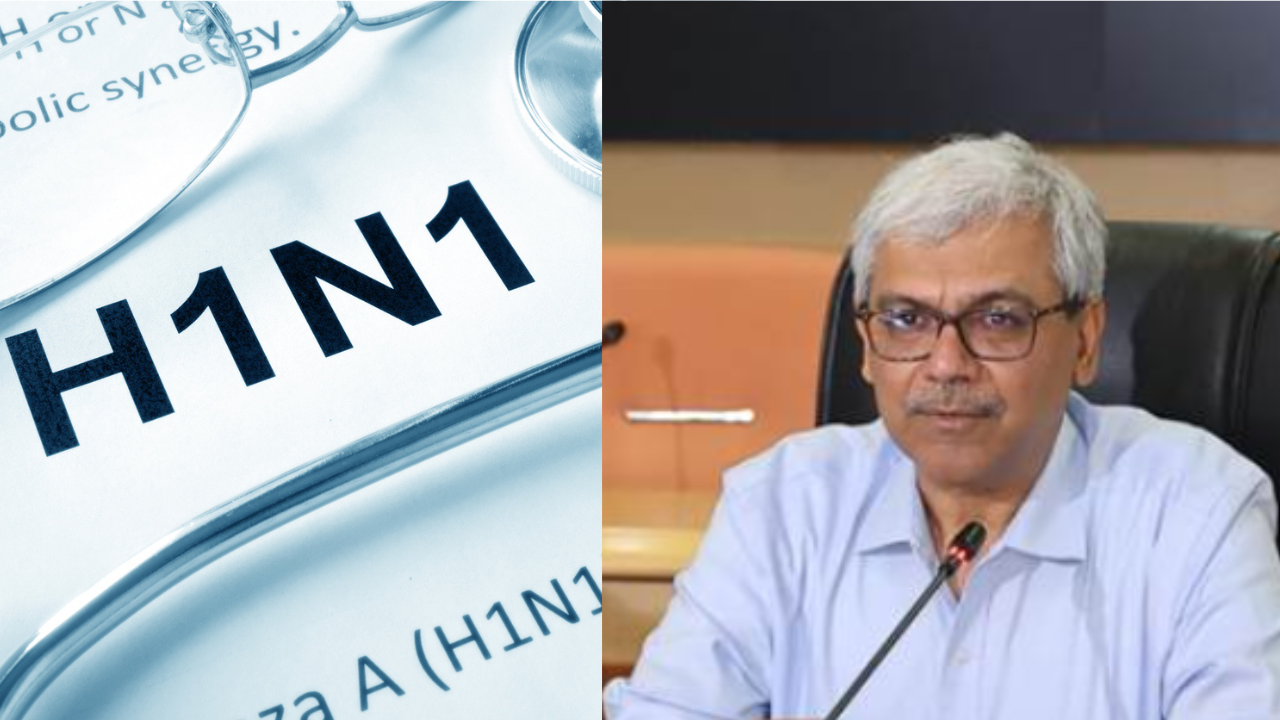
Even as Delhi’s H1N1 cases crossed 2,300, Director General of the Indian Council of Medical Research (ICMR) Dr. Rajiv Bahl today said there was “absolutely no cause for panic” and that seasonal influenza remains largely self-limiting.Speaking to the media, Dr. Bahl said no new or unusual virus strain has been detected and that the rise in cases reflects expected seasonal changes.The virus currently circulating in the country is the familiar H1N1 pdm09 strain that emerged during the 2009 pandemic and has since become a seasonal influenza virus.The circulating Influenza A (H1N1) viruses have been identified as A/Missouri/11/2025 (H1N1) pdm09-like viruses. Hemagglutinin (HA) gene analysis places the isolates in clade 6B.1A.5a2a, subclade D.3.1.1.Dr. Bahl said this lineage has been in continuous circulation in India since 2025. The genetic changes observed are consistent with the normal antigenic drift seen in seasonal influenza viruses.Such minor genetic changes occur routinely as influenza viruses circulate and, by themselves, do not indicate the emergence of a new or dangerous strain.No Urgent Need for Flu VaccineDr. Bahl, who is also Secretary of the Department of Health Research (DHR), said there is no urgent need for everyone to take the flu vaccine.He added that individuals above 65 and those who are immunocompromised may discuss vaccination with their doctors. He said that vaccination is currently only a recommendation from the WHO and is not part of the National Immunization Program.Who Is at Higher Risk?Seasonal influenza, including Influenza A (H1N1), is predominantly a mild and self-limiting respiratory illness in otherwise healthy individuals.Common symptoms include:FeverCoughSore throatHeadacheBody acheFatigue and weaknessIn most people, symptoms improve with supportive care, adequate rest and hydration. The presence of H1N1 does not, by itself, mean that a person will develop severe disease or require hospitalization.However, certain groups have a higher risk of developing complications. These include:Elderly personsYoung childrenIndividuals with underlying medical conditions or co-morbiditiesPeople with compromised immunityDr. Bahl advised these individuals to exercise greater caution and seek timely medical advice if they develop influenza-like symptoms.How to Prevent the Spread of FluDr. Bahl advised the public to follow routine respiratory hygiene and infection-prevention measures.Do's:Cover the mouth and nose while coughing or sneezing.Wash hands frequently with soap and water or use an appropriate hand sanitiser.Stay at home when unwell and avoid close contact with others.Maintain adequate hydration and get sufficient rest.Consume a healthy and balanced diet.Seek medical advice if symptoms are severe, persistent or worsening.Follow medical advice regarding testing or treatment.Don’t:Do not panic because of the detection of H1N1.Do not take antivirals or antibiotics without medical advice.Avoid close contact with others while symptomatic.Avoid touching the eyes, nose and mouth with unwashed hands.Stay Informed, Not AlarmedThe Ministry of Health said the public should remain “informed and vigilant, but not alarmed.”Seasonal influenza is a familiar and routinely monitored respiratory infection. Following simple preventive measures, seeking timely medical consultation when required and avoiding unnecessary medication can help protect individuals and communities.