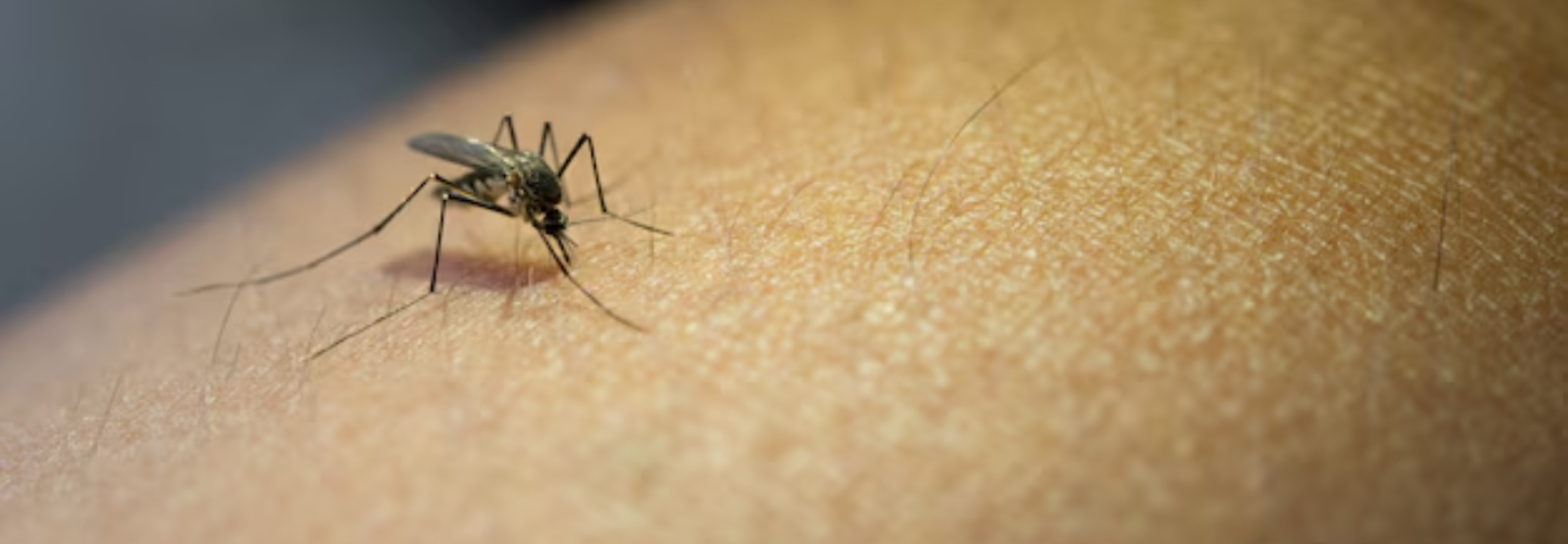
With the rainy season here, mosquitoes thrive in this weather. This is making dengue fever a big problem in places like Karnataka, Kerala, and Maharashtra. Currently, the state of Bangalore is in a frenzy with more than 10,000 people falling prey to disease. A wide range of the population from ages 6-16 are being affected, causing advisories to be issued by the Department of Education. Dengue starts with a sudden high fever, bad headache, pain in your eyes, muscles, and joints. You might also feel sick to your stomach, vomit, and have a rash. These symptoms usually show up a week or so after a mosquito bite and can last for several days. Dengue can get really serious. Sometimes, it can turn into a dangerous condition where your body starts bleeding easily, and your blood pressure drops. This can be very harmful and even life-threatening. That's why it's important to see a doctor right away if you think you have dengue. Most people who get dengue don't feel sick. But if you do, you might have a high fever, a bad headache, pain behind your eyes, and feel achy all over. You might also feel like throwing up. Can you get dengue more than once?Yes, you can get dengue fever more than once. There are four different types of dengue virus. Once you get sick from one type, you're usually safe from that one again. But you can still get sick from the other three types. This means it's possible to contract dengue multiple times. Even more concerning, a previous dengue infection can actually increase the severity of a subsequent infection. This occurs when the body's immune response, designed to fight off the first infection, inadvertently helps the new virus multiply faster. This process, known as antibody-dependent enhancement, can lead to a more severe form of the disease. How to prevent dengueThe best way to avoid dengue fever is to stay safe from mosquito bites. Here's how:Use bug spray: Put on insect repellent with DEET when you're outside.Cover up: Wear long clothes to protect your skin.Stop mosquitoes from breeding: Empty any water sitting around, like in old tyres or buckets.Keep mosquitoes out: Fix any holes in your screens and keep doors and windows closed.Sleep safe: Use a mosquito net when sleeping in places where dengue is common.There's also a dengue vaccine, but it's not for everyone. It's only safe for people who've already had dengue before. Getting the vaccine when you haven't had dengue can actually make you sicker if you get it later. So, talk to your doctor first.