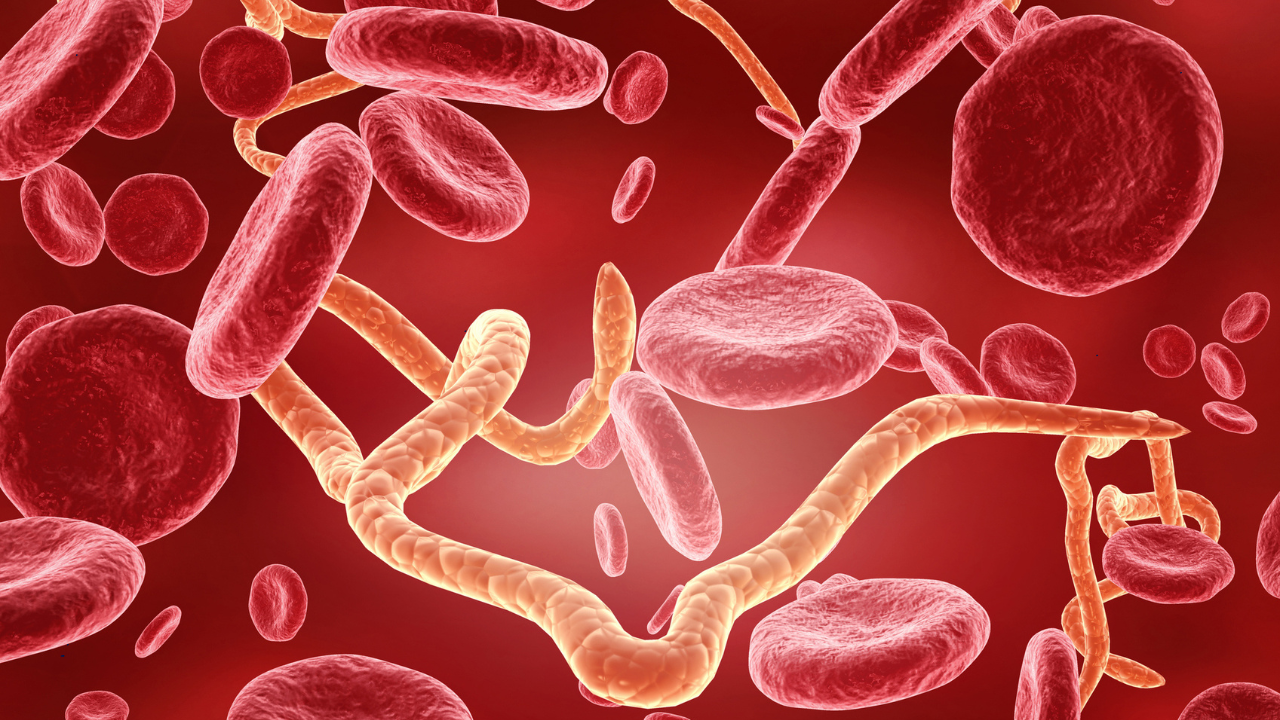
At least six Americans who are in the Democratic Republic of the Congo are believed to have been exposed to the Ebola virus, amid the latest outbreak in the African nation that has killed over 80 people and infected nearly 300, according to a media report. Citing sources, STAT News said that one of the individuals may also have developed symptoms. Although there are no test results yet for any of the individuals, the US government is reportedly trying to arrange for their transportation out of the DRC to a location where they can be safely quarantined and cared for, if they are found to have been infected. It is also not clear if that would be in the US. As per sources, it may be an American military base in Germany, the report said. Meanwhile, the US CDC, in a statement said, it is supporting interagency partners "who are actively coordinating the safe withdrawal of a small number of Americans who are directly affected by this outbreak." "At this time, the risk to the American public remains low," the CDC said. "CDC continues to closely monitor the situation and has systems in place to detect and respond rapidly to potential public health threats." The health agency has also issued travel advisories for Americans traveling in Congo and Uganda, telling them to "practice enhanced precautions" and avoid people who have symptoms, which include fever, muscle pain, and rash. The latest Ebola outbreak, the 17th in DR Congo, has also spread to Uganda. On May 17, the World Health Organization declared it a "public health emergency of international concern."According to the Africa CDC, the outbreak is caused by a rare strain Bundibugyo virus, for which there is no vaccine available currently. Also read: WHO Calls Ebola Outbreak In DR Congo And Uganda An International Public Health EmergencyWhat Is Ebola?The US CDC explains that the Ebola disease is caused by a group of viruses, known as orthoebolaviruses (formerly ebolavirus). These viruses can cause serious illness that, without treatment, can cause death. Orthoebolaviruses were discovered in 1976 in the Democratic Republic of the Congo and are found primarily in sub-Saharan Africa. The four types of orthoebolaviruses cause illness in people are:The Ebola virus (species Orthoebolavirus zairense) Sudan virus (species Orthoebolavirus sudanense) Taï Forest virus (species Orthoebolavirus taiense) Bundibugyo virus (species Orthoebolavirus bundibugyoense)The CDC notes that two other types of orthoebolaviruses have not affected people to date. They are:Reston virus (species Orthoebolavirus restonense) has caused disease in non-human primates like macaques. Bombali virus (species Orthoebolavirus bombaliense) was more recently identified in bats. Read More: More Americans Exposed To Hantavirus; 41 Under Monitoring, Says CDCHow Ebola Infection Spreads and Turns DeadlyPeople sick with Ebola disease can spread the virus to others when they start having symptoms like fever, aches, pains, and fatigue. It can be spread through direct contact with infected bodily fluids.As the person becomes sicker, the illness causes diarrhea, vomiting, and unexplained bleeding. In severe cases, the virus can damage blood vessels, weaken the immune system, and lead to organ failure, internal bleeding, and shock. However, the virus can persist in certain bodily fluids, such as semen, even after recovery, meaning transmission may still be possible in rare cases despite the absence of symptoms. "This happens when the virus remains in certain parts of the body that are shielded from the immune system. For example, the virus can remain in semen even after someone recovers. Whether the virus is present in these body parts, and for how long, varies by survivor," the CDC said.