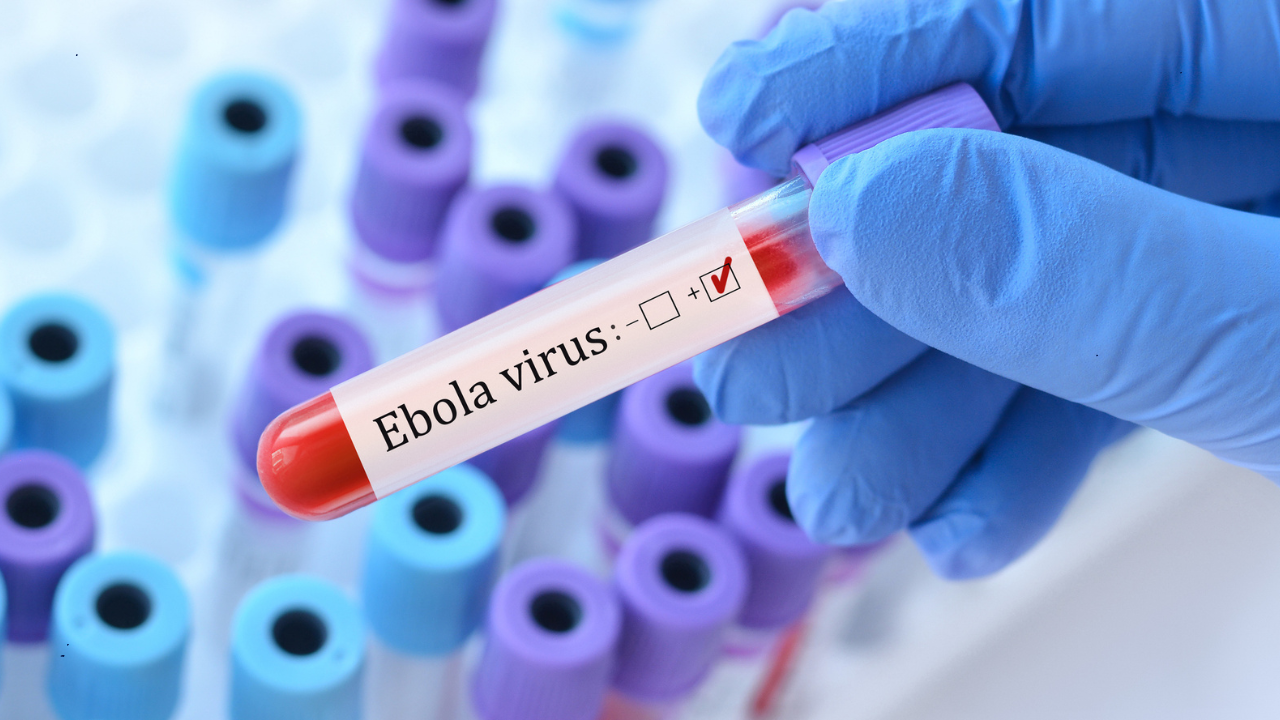
The Ebola outbreak in the Democratic Republic of Congo (DRC) has crossed 4,000 cases, making it the second-largest Ebola epidemic ever recorded after the 2014-2016 West Africa outbreak.According to the latest Health Ministry situation report, the DRC has recorded 4,053 cases and 1,850 deaths since the outbreak was officially declared in mid-May. Health officials believe transmission may have begun as early as January.The outbreak is caused by the Bundibugyo strain of the Ebola virus, which has neither a vaccination nor any antiviral. However, two vaccine candidates by Oxford-SII and Moderna have entered clinical trials. Africa CDC Calls for Intensified ResponseAfrica's public health agency has said the current response needs to be significantly expanded, announcing plans to shift from traditional contact tracing to an active, community-wide search for cases.Dr. Wessam Mankoula, Acting Head of Emergency Preparedness and Response at the Africa Centres for Disease Control and Prevention (Africa CDC), said response teams will begin door-to-door case finding."I think the time for incremental action is over and we're starting now the phase for scaling up," he said.He explained that community health workers would move from house to house to identify people showing Ebola symptoms rather than relying solely on contact tracing.Africa CDC Director General Dr. Jean Kaseya also outlined plans for a village-centered response, with greater community involvement, expanded use of digital surveillance tools, and stronger interventions in camps housing people displaced by conflict.Second-Largest Ebola Outbreak on RecordThe outbreak has spread across 53 health zones in the provinces of Ituri, North Kivu, South Kivu, Haut-Uele and Tshopo.Ituri, the epicentre of the outbreak, accounts for 86.9% of confirmed cases.Africa CDC noted that, 11 weeks into the outbreak, the DRC has reported eight times more cases and six times more deaths than were recorded at the same stage of the 2014 West Africa Ebola epidemic, which ultimately infected more than 28,000 people and killed at least 11,000.Is The Bundibugyo Virus Mutating?Health officials are now examining whether changes in the virus could be contributing to the unusually severe outbreak.Speaking at a press briefing, Dr. Jean Kaseya said he had discussed the situation with World Health Organization Director-General Dr. Tedros Adhanom Ghebreyesus."We plan studies to check if there is no additional issue, or maybe if the virus is not mutating, because the level of severity of this Bundibugyo outbreak is unprecedented," Kaseya said.He cautioned against assuming scientists fully understand the virus."After many Ebola outbreaks, we cannot assume we know everything. In the DRC, we must listen to communities, act on what they tell us and build the trust needed to stop transmission."Outbreak Shows No Signs Of SlowingMedical charity Médecins Sans Frontières (MSF) said the response is expanding but is still not reaching communities quickly enough to interrupt transmission, The Guardian reported.Philippa Boulle, MSF's Deputy Medical Director, warned that the outbreak continues to spread into new areas."New suspected cases are being reported almost daily in new locations, outside already identified transmission chains. To prevent further loss of life, the response must outpace the current rate of transmission," Boulle said.Kaseya also highlighted shortcomings in surveillance, noting that only 10 contacts are being identified per Ebola patient, compared with the approximately 40 contacts typically expected during effective contact tracing.