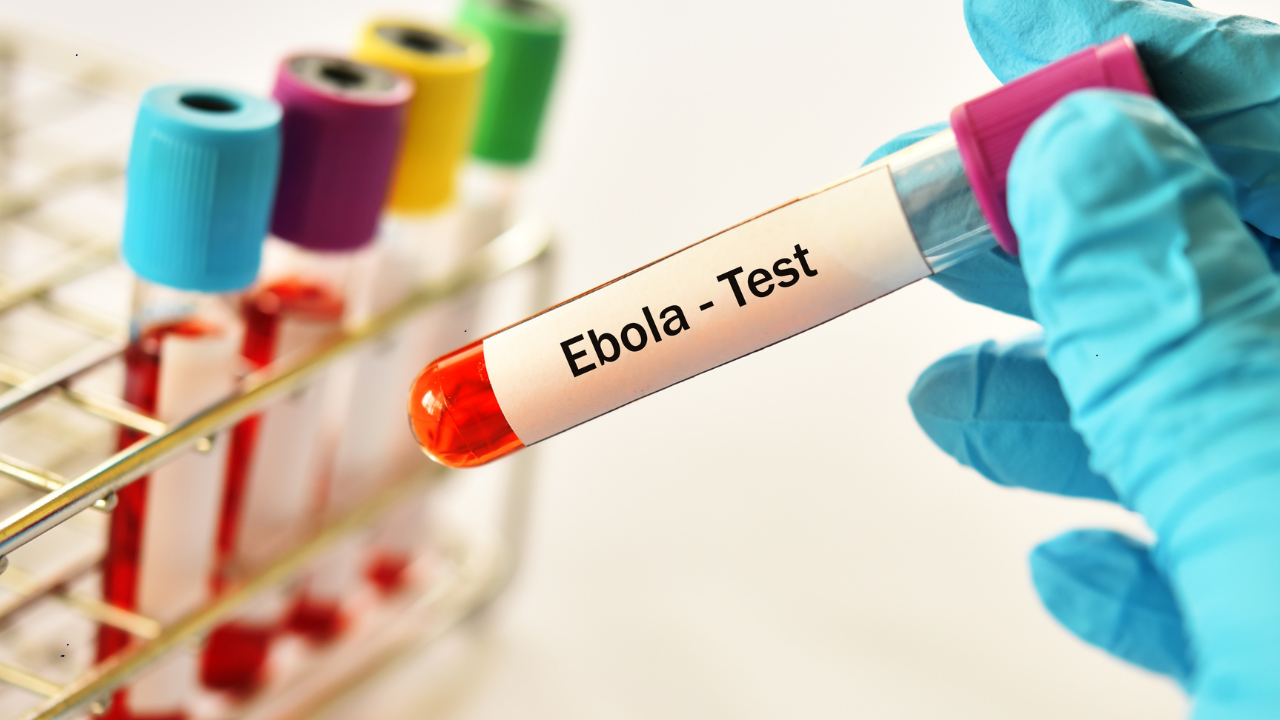
The 17th outbreak of Ebola virus in the Democratic Republic of the Congo has claimed over 130 lives, with more than 513 suspected cases, local officials have said.A spokesperson for the DR Congo government said cases were now being reported across a wider area, according to the BBC. Cases are now being identified in new areas, including Nyakunde in Ituri Province, Butembo in North Kivu, and the city of Goma.As per the US Centers for Disease Control and Prevention (CDC), there are also two confirmed cases and one death in Uganda.The World Health Organization (WHO) has declared the current outbreak, caused by the Bundibugyo virus, an international emergency. The agency has also warned that it could potentially become “a much larger outbreak” than what is currently being detected and reported, with a significant risk of local and regional spread. However, it does not meet the criteria of a pandemic.Meanwhile, an American doctor in the DR Congo who was caring for patients also tested positive for Ebola Bundibugyo disease on May 17.“The person developed symptoms over the weekend and tested positive late on Sunday,” the CDC said, adding that the agency is working to move the patient to Germany for treatment and care.CBS News also quoted sources as saying that at least six Americans have been exposed to the Ebola virus during the outbreak in the DR Congo.The CDC noted that "high-risk contacts associated with this exposure are also being moved to Germany". The Bundibugyo Virus: Previous OutbreaksThe Bundibugyo virus has previously caused two recognised outbreaks. The first was in Bundibugyo District, Uganda, in 2007–2008, with 131 reported cases and 42 deaths, and a case fatality rate of 34–40 per cent.The second was in Isiro, Democratic Republic of the Congo, in 2012, with 38 laboratory-confirmed cases and 13 deaths, although wider outbreak reports, including probable and suspected cases, gave higher totals.These figures are lower than the fatality rates seen in many outbreaks caused by other Ebola strains, but they are still extremely serious.Also read: Ebola Outbreak: University of Glasgow Researcher Explains Why Bundibugyo Virus Is ConcerningThe largest outbreak of the Ebola virus since its discovery in 1976, took place in 2014–2016. The outbreak infected more than 28,600 people in West Africa.The disease also spread to several countries within and outside West Africa, including Guinea, Sierra Leone, the United States, the United Kingdom, and Italy, killing 11,325 people.How Does Ebola Bundibugyo Spread?The Bundibugyo virus spreads through contact with the blood or bodily fluids of a person infected with, or who has died from, the rare Ebola strain.It can also spread through contact with contaminated objects such as clothing, bedding, needles, and medical equipment, or through infected animals such as bats and nonhuman primates.Historically, Bundibugyo virus outbreaks have recorded fatality rates ranging from 25 per cent to 50 per cent.Symptoms To Watch ForSymptoms of Bundibugyo virus disease are similar to other forms of Ebola and include:FeverHeadacheMuscle painWeaknessDiarrheaVomitingStomach painUnexplained bleeding or bruising, usually in later stages of illness.