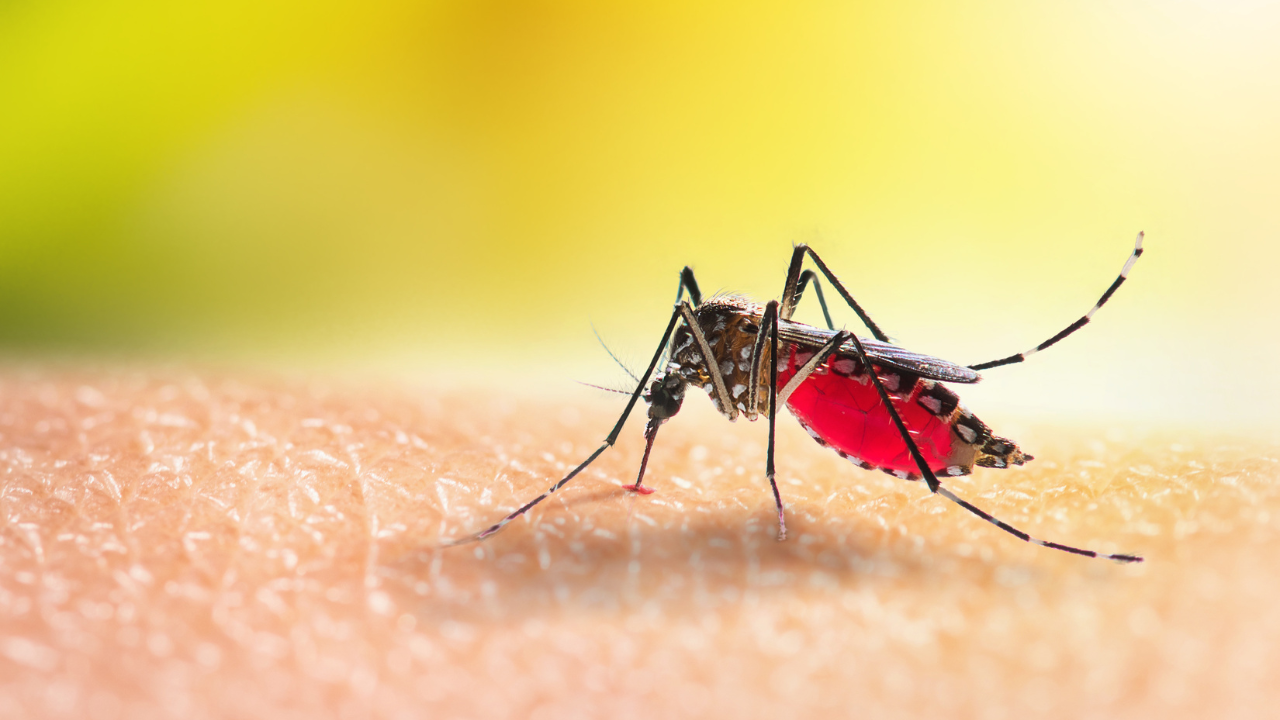
Dengue cases are rising in Florida, with 73 locally acquired infections reported statewide, including 59 in Hillsborough County, according to the latest Florida Department of Health surveillance report covering August 23–29.Ten counties are currently under a mosquito-borne illness advisory or alert, prompting health officials to urge residents to take precautions against mosquito bites.Florida Reports 208 Dengue Cases In 2026According to the CDC Dengue Data Dashboard, Florida has recorded 208 dengue cases this year. Of these, 73 were locally acquired, while 135 were travel-associated. Hillsborough County accounts for most of the locally acquired infections, with 59 cases. Other local cases have been reported in Miami-Dade, Pinellas, Palm Beach, Orange and Citrus counties.The CDC has reported 1,735 dengue cases across the US and its territories in 2026 as of early September. New York, California, Washington and New Jersey have also reported cases.Health Officials Urge Mosquito Bite ProtectionDengue is transmitted through the bite of infected Aedes mosquitoes, which can breed in small amounts of standing water around homes and businesses. Even a bottle cap containing stagnant water can provide enough water for mosquitoes to breed.State Surgeon General Dr. Joseph A. Ladapo joined local officials in Hillsborough County to urge residents to protect themselves from mosquito-borne illnesses.“As families across Florida prepare to enjoy Labor Day weekend, I encourage everyone to take few simple precautions to protect themselves and their families from mosquitos bites,” said State Surgeon General Dr. Joseph A. Ladapo. “Use insect repellent, cover up when possible, and remove standing water around your home. Individual prevention helps protect you and your community,” he added.Why Are Locally Acquired Dengue Cases Rising In The US?Most dengue infections in the continental US are still associated with international travel. But when an infected traveller returns to an area where Aedes aegypti or Aedes albopictus mosquitoes are present, the virus can enter the local mosquito population.An infected mosquito can then transmit the virus to other people, creating a cycle of local transmission.In 2024, 97.2% of dengue cases in the US were travel-associated, according to the CDC. However, states such as Florida can experience local outbreaks because dengue-carrying mosquitoes are already established in parts of the country.Local transmission requires three factors to overlap: an infected person, competent mosquitoes people who can become infected.When an Aedes mosquito bites someone carrying dengue virus, it can acquire the virus and later pass it to another person. Repeated mosquito-to-human transmission can then fuel a local outbreak.Climate May Also Influence Dengue SpreadTemperature and other environmental conditions affect mosquito survival, reproduction and biting behavior, as well as how quickly dengue virus develops inside the mosquito.Warmer conditions can therefore create more favorable conditions for dengue transmission and potentially expand the areas where these mosquitoes can survive.