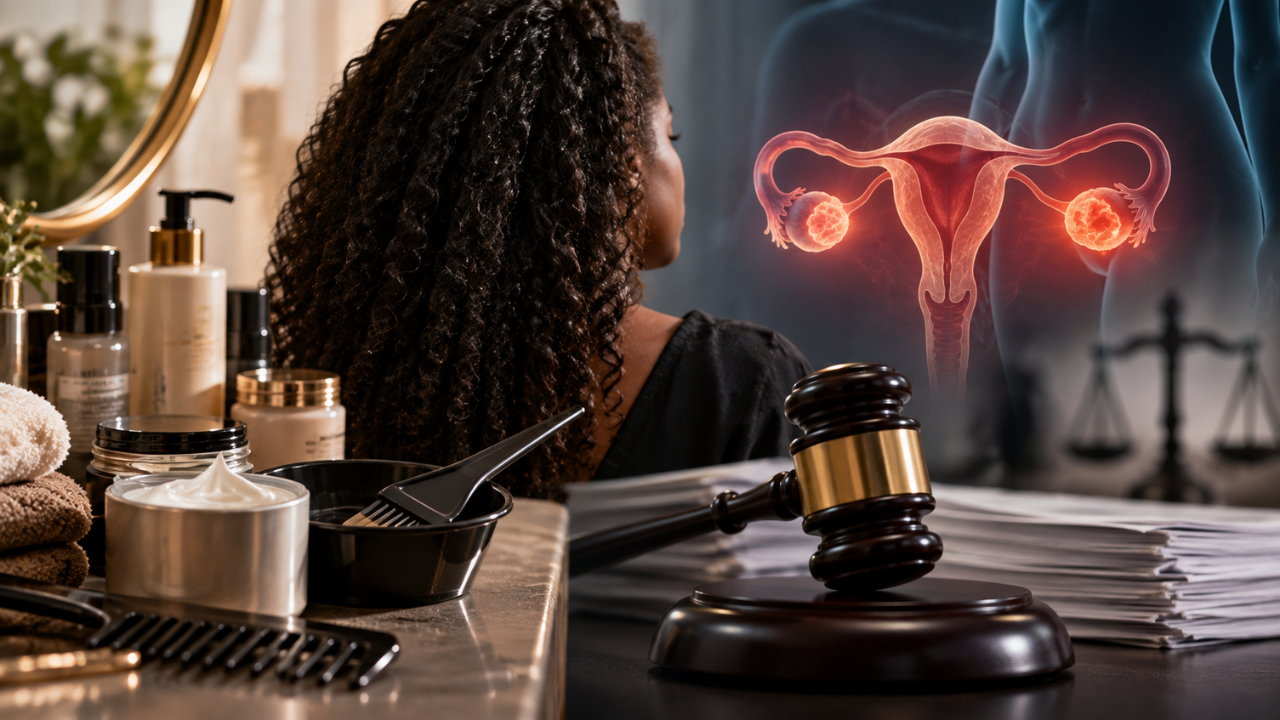
Globally renowned beauty and haircare brand L’Oréal is in the midst of a new legal battle in the US over allegations that it did not warn consumers possible potential cancer risks linked with its chemical hair-relaxer products. Arizona Attorney General Kris Mayes filed a consumer fraud lawsuit against L’Oréal USA, its parent company and SoftSheen, accusing the companies of selling chemical hair relaxers without disclosing alleged links to ovarian and uterine cancers. Arizona is the first US state to bring such a lawsuit against L’Oréal over the products. The lawsuit alleges that the products were primarily marketed to African American women and, in some cases, children. The state is seeking damages and penalties, including warnings if the brand wants to keep selling the products. What Is The Concern With Hair Relaxers? Chemical hair relaxers are highly alkaline products designed to permanently straighten textured hair. They work by breaking and reforming the disulfide bonds in keratin, which gives hair its natural shape. According to the Arizona lawsuit, some chemical relaxer products contain substances including phthalates, parabens, and other chemicals classified as probable carcinogens. The complaint states that repeated use can increase exposure as these products are applied directly onto the scalp. However, the presence of a potentially hazardous chemical does not establish that using a particular product will cause cancer. Cancer risk depends on factors including the substance, dose, duration, and route of exposure.Also read: Prostate Cancer: What's Fact, What's Fiction Earlier Study Flags Same Concerns The legal action follows years of scientific research that examined links between chemical hair relaxers and cancers related to hormones. A 2022 study from the US National Institutes of Health found that women who reported frequent use of chemical hair-straightening products had more than twice the risk of developing uterine cancer compared with women who did not use them frequently. The researchers, however, found an association, not proof that hair relaxers directly caused these cancers. Other research has also investigated possible links with ovarian and breast cancers, adding to concerns about repeated exposure to chemicals may cause serious health conditions.Also read: Beyond Vaccines And Nutrition: Why Childhood Cancer Needs A Wider Conversation What Does L’Oréal Say? According to Reuters, L’Oréal has rejected the allegations. A spokesperson for L’Oréal USA said that the company is confident in the safety of its products and considers that the claims lack legal and scientific merit. The company said, “L’Oréal’s highest priority is the health and well-being of all our consumers. Our products are subject to a rigorous scientific evaluation of their safety by experts who also ensure that we strictly follow all regulations in every market in which we operate. We are confident in the safety of SoftSheen-Carson’s products and believe the allegations made in this lawsuit have neither legal nor scientific merit.” L’Oréal also disputes the research underlying the litigation, saying the study cited by plaintiffs did not establish a causal connection between hair-relaxer use and the alleged health conditions and called for further research. The Arizona lawsuit comes amid more than 12,000 similar lawsuits consolidated in a federal multidistrict litigation in Chicago involving L’Oréal, Revlon and other manufacturers. Trials in that litigation may start in 2027. The current evidence does not mean that everyone who has used a chemical hair relaxer will develop cancer. But repeated use is an area of ongoing scientific investigation. People who use these products can reduce unnecessary exposure by following product instructions carefully, avoiding application to irritated or damaged skin, and considering less frequent use or non-chemical alternatives.