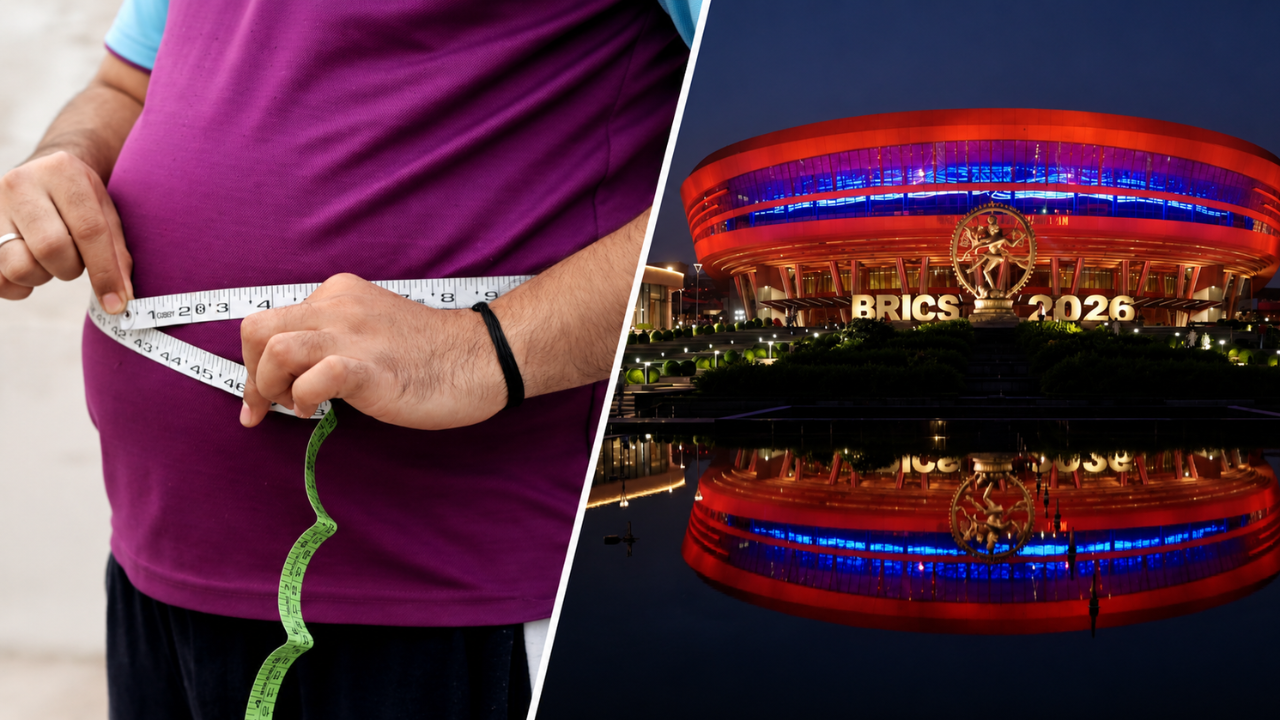
As part of the New Delhi Declaration adopted at the 18th BRICS Summit in Delhi, world leaders are calling for a stronger focus on obesity and non-communicable diseases. The dialogue mainly focused on healthy lifestyles, combatting sedentary lifestyles, and early intervention to prevent obesity. The New Delhi Declaration endorsed the BRICS Mission for Healthy Lifestyle, which included a 2026–2029 roadmap for promoting healthier living across member countries. The initiative is set to focus on technical cooperation, ensuring best practices and coordinated awareness efforts around obesity and other NCDs. For India, as the challenge extends beyond telling people to “eat better and exercise more”, the declaration stressed that there is dire need of government and society-level active approach to tackle the burden of chronic lifestyle disorders. With long working hours, prolonged sitting, irregular meals and increasingly sedentary routines, preventing NCDs may need major changes in how people work and live.BRICS Focuses On Obesity And NCDsNCDs include disorders like heart disease, stroke, diabetes, cancer and chronic respiratory diseases. They are driven by a combination of genetic, physiological, environmental and behavioural factors.The World Health Organization identifies four major modifiable behavioural risk factors: unhealthy diet, physical inactivity, tobacco use and harmful alcohol consumption. These can contribute to metabolic problems including obesity, high blood pressure, raised blood glucose and abnormal cholesterol. WHO estimates that 31% of adults globally were insufficiently physically active in 2022. Physical inactivity increases the risk of cardiovascular disease, diabetes, stroke and several cancers.Also read: As India Faces Flu Vaccine Shortage Amid H1N1 Surge, ICMR Recommends Alternative: Expert Explains If You Should Take It How Could The BRICS Mission Translate Into Action? The new push for lifestyle changes signals a shift from treating NCDs after they develop towards preventive and promotive healthcare involving governments, workplaces, healthcare systems and communities.Dr Paras Agarwal, Director - Diabetes, Obesity & Metabolic Clinic, CK Birla Hospital, Gurgaon, spoke to HealthandMe about the global push for obesity prevention and promotion of healthy lifestyle. Dr Agarwal says, "BRICS recognising obesity as a major global public health challenge is a significant step, because obesity is not a cosmetic issue but a metabolic one, closely tied to insulin resistance, diabetes, hypertension and heart disease. Globally, this signals that prevention deserves the same urgency as treatment."The diabetes specialist said that it is the need of the hour for Indians as it is currently carrying the burden of invisible metabolic risk. He added, "For India, it carries an added layer: many people with a normal BMI still carry hidden abdominal fat and real metabolic risk."The expert did not fail to point out the difference between policy building and implementing meaningful systems in place to achieve desired outcomes. He said, "The real measure of this recognition's success will be whether it translates into accessible screening, sustainable lifestyle support and earlier intervention, rather than remaining a policy statement alone."Also read: Can India Prevent Rabies Deaths By Vaccinating Dogs? Lancet Study Says Kerala May Reach Near-Zero Deaths In 3 YearsSedentary Lifestyle Is The Silent Killer India's growing desk workforce is facing a major health risk. Prolonged sitting could directly contribute to obesity and a number of metabolic and cardiovascular health challenges. Sedentary behaviour teamed with uncontrolled calorie intake can contribute to weight gain and reduced insulin sensitivity, making it harder for the body to regulate blood glucose. Over time, people at higher risk can progress from normal glucose levels to prediabetes and eventually type 2 diabetes.These chronic lifestyle disorders can be curbed only when timely preventive action is taken. It is important to break up long periods of sitting with brief movements like walking during breaks, taking stairs or stretching between meetings, can make physical activity more achievable. Regular aerobic exercise and strength training remain extremely important, depending on an individual's health and physical ability. Prevention also includes right food choices, sleep, stress management and timely screening. WHO also recommends adults aged 18–64 get 150–300 minutes of moderate-intensity aerobic activity per week, along with strength training. Besides obesity and NCDs, the BRICS declaration also focused on mental well-being, including a BRICS Training Hub Network and Centres of Excellence, with NIMHANS as the coordinating centre.