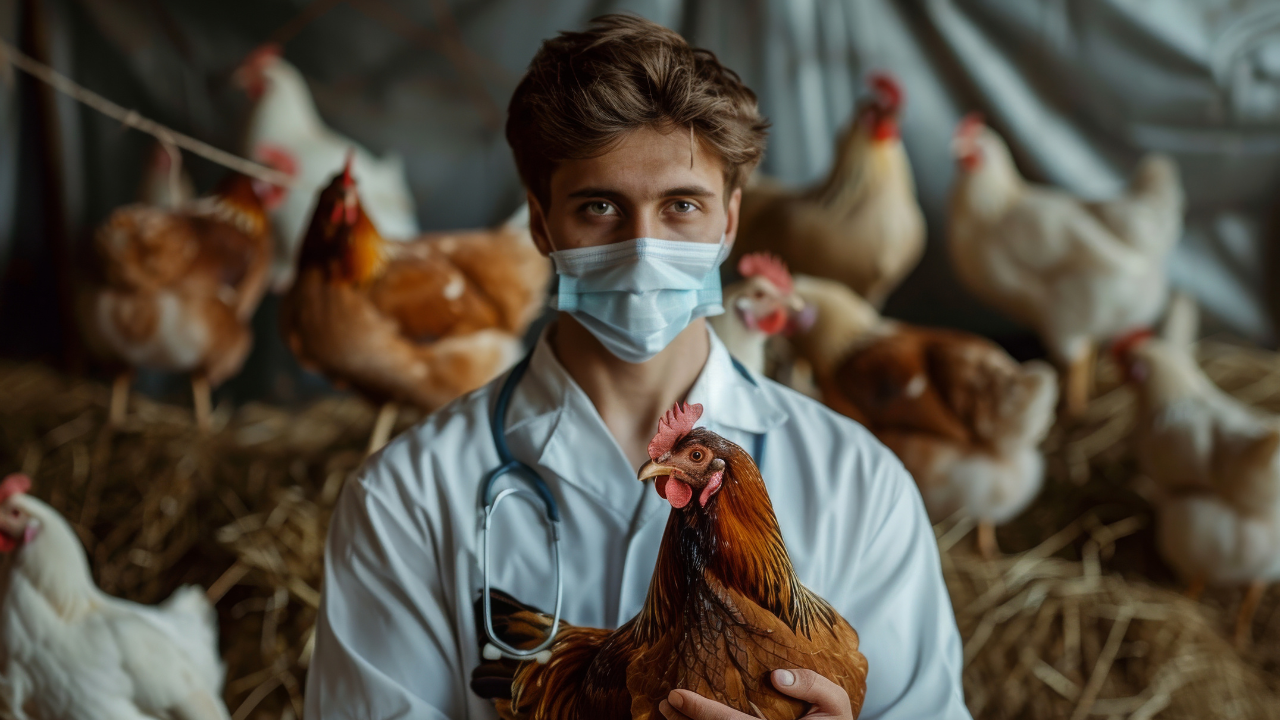
There’s a growing concern over isolated cases wherein human patients of the United States have contracted the H5N1 bird flu after being exposed to dairy cattle in Texas. As confirmed by the CDC, the patient has been recovering from the condition steadily after a period of isolation and after being treated with antiviral drugs. How Did It Start?The first case of a dairy worker being infected connected to the current outbreak was in Texas, involving people working on a dairy farm. At the moment, the pasteurization process is said to kill the virus, so CDC describes the current risk to the general human population as fairly “low.”Also known as avian influenza, the H5N1 virus was typically restricted to the bird population. As migrating birds could spread the H5N1 strain globally, this mutation could cause a potential concern if it evolves to affect human populations. The virus itself was first reported to be spreading amongst the bird population in 2022 and many poultry farms had to cull their livestock to control the outbreak. However, the major concern is that it’s beginning to spread amongst mammals at a faster rate than before. Since 2022, the U.S Department of Agriculture has detected the virus in 200 mammals which include: a bottlenose dolphin, foxes, bobcats, mountain lions, coyotes, opossums, harbour and gray seals, skunks, squirrels, minks, otters and black/brown bears. What Are The CDC’s Recommendations To People For NowFor now, the CDC has reemphasised that the cases do not hold as much of a risk for humans and that continuous monitoring is required to track the evolution of the virus. However, they have recommended that people need to avoid exposure to sick or dead poultry or farm animals like cows, for long periods of time.They also recommend against unprotected exposure to unpasteurized milk, unprotected exposure to animal poop, bedding or other materials that have been touched by animal populations that have suspected links to the current H5N1 virus strain. Lastly, they also recommended that getting a seasonal flu vaccination may reduce the risks of getting sick with influenza viruses and also applies to the bird flu. Although it cannot completely prevent these infections, it’s good to take as a preventative measure.