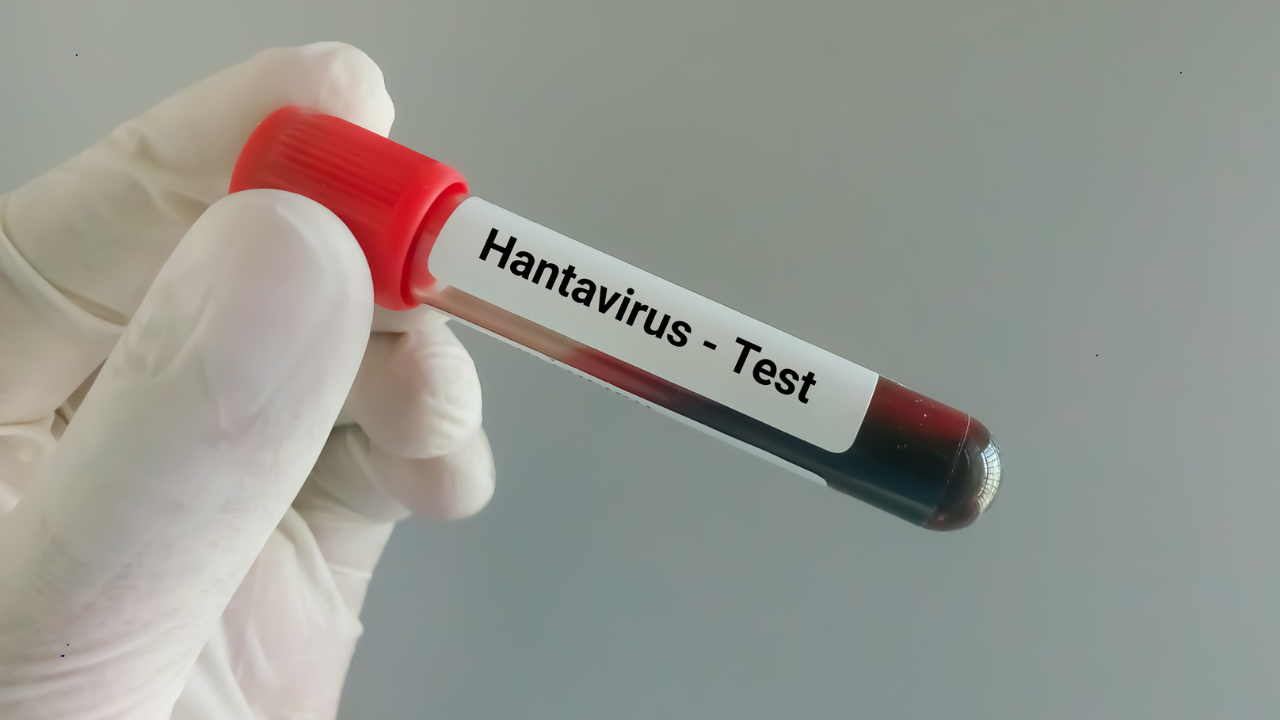
The UK government has confirmed a case of hantavirus infection in Tristan da Cunha, a remote British Overseas Territory in the South Atlantic Ocean, World Health Organization (WHO) Director-General Tedros Adhanom Ghebreyesus has said.In a post on social media platform X, Tedros said the patient had previously been classified as a probable case and had been exposed aboard the MV Hondius.“As of June 10, the total number of confirmed cases remains 13, including three deaths,” he said. “No new deaths have been reported since May 2,” when a cluster of severe respiratory illnesses linked to the Dutch-flagged cruise ship MV Hondius was reported to the WHO.While the outbreak aboard the luxury vessel had raised concerns about wider transmission. However, the WHO has assessed the overall risk to the public as low. The global health body recommended active health monitoring for all evacuated passengers for 42 days from their last exposure date, either in designated quarantine facilities or at home. The monitoring period is scheduled to continue until June 21.The outbreak, which claimed three lives and infected 13 people, was driven by the Andes strain, which carries a risk of human-to-human transmission. There is currently no specific antiviral drug or vaccine for the Andes virus.Study Suggests Potential TreatmentAlso read: Can Hantavirus Spread Through Semen And Breast Milk? What Experts SayA recent study published in The Lancet Infectious Diseases reported early promising results for tocilizumab as a treatment for severe hantavirus pulmonary syndrome (HPS).The study is based on a case series involving 10 hantavirus patients treated at Hospital Zonal de Bariloche, Argentina, between June 1, 2024, and May 6, 2026.Tocilizumab is an immunosuppressive medication used to treat severe inflammatory conditions, including severe COVID-19 and autoimmune diseases such as rheumatoid arthritis.Researchers from San Carlos de Bariloche, Argentina, said that under an ethical framework allowing the emergency use of unproven medications outside clinical trials when no satisfactory alternatives exist, tocilizumab was administered to five eligible patients with laboratory-confirmed severe hantavirus pulmonary syndrome. Five other patients received standard supportive care without tocilizumab because they were too sick or the medication was unavailable when treatment was being considered. The researchers said tocilizumab warrants further evaluation as a treatment for severe hantavirus pulmonary syndrome.What Is Hantavirus? According to the WHO, hantaviruses are zoonotic viruses that naturally infect rodents and are occasionally transmitted to humans.Globally, an estimated 100,000 to 200,000 hantavirus infections occur each year. The majority of these cases are in Asia, particularly China. Most are sporadic or occur in small clusters linked to contact with infected rodents.Infection in people can result in severe illness and often death, although the diseases vary by type of virus and geographical location.The WHO has confirmed that the Andes strain of hantavirus—the only strain known to spread from person to person—is responsible for the outbreak. There is currently no vaccine available for the strain.Notably, the WHO has not specified the type of hantavirus or syndrome involved in the cruise ship incident, but it did mention respiratory risks.How Does Hantavirus Spread?Hantavirus is primarily spread by rodents through:Exposure to rodent urineExposure to rodent droppingsExposure to rodent salivaLess commonly, through a rodent scratch or bite.