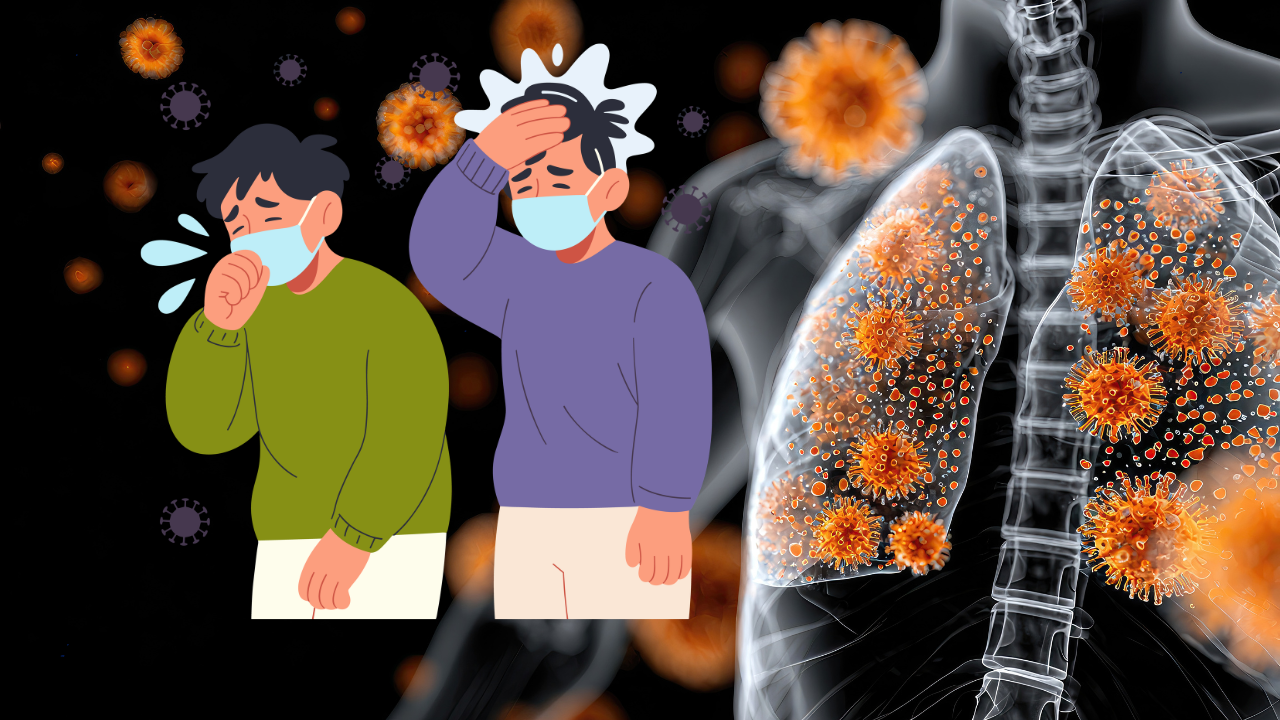
California and New Jersey in the US are seeing an uptick in cases of human metapneumovirus (HMPV) -- a virus with no vaccine or treatment. According to the US Centers for Disease Control and Prevention (CDC), HMPV can cause upper and lower respiratory disease. There is currently no vaccine to prevent it, and no specific antiviral therapy to treat it. "Most people will recover on their own," the agency noted, but advised people who get sick to drink plenty of liquids, stay home, and rest. As per the CDC's respiratory dashboard, the cases of HMPV steadily ticked up since November 2025. It accounted for over 5 percent of positive tests the week of February 14 through February 21. While HMPV is not a "new" virus, having first been discovered in 2001, cases haven't spiked to this level in the US since an outbreak in April 2025, USA Today reported. The New Jersey Respiratory Surveillance Report cited that about 4 percent of residents in the state are testing positive for HMPV. The HMPV cases, accompanied by RSV, COVID, and flu cases, are surging, increasing the number of people seeking emergency medical care. As per the public database, WastewaterScan Dashboard, HMPV is rampant in Northern California -- specifically San Francisco, Marin, Vallejo, Napa, Novato, Santa Rosa, Sacramento, and Davis, the Independent UK reported. What Is HMPV? Is It Dangerous? HMPV was first discovered in 2001 and is part of the Pneumoviridae family along with the Respiratory syncytial virus (RSV).HMPV most likely spreads from an infected person to others through:the air by coughing and sneezingclose personal contact, such as touching or shaking handstouching objects or surfaces that have the viruses on them, then touching the mouth, nose, or eyesIn the US, HMPV circulates in predictable patterns each year, typically beginning in winter and lasting through spring.The usually self-limiting and mild symptoms typically last 4 to 5 days. These include: cough, fever, nasal congestion, shortness of breathPeople at risk include:elderly people, children, people with comorbidities"The HMPV is not deadly, and there is no evidence of mortality or a severe transmission rate," former Indian Council of Medical Research (ICMR) scientist, Dr. Raman Gangakhedkar, told IANS, during the virus's outbreak in India in 2025.“The virus may cause pneumonitis-like illness, but the mortality rates are almost unknown so far. HMPV has a global prevalence of about 4 per cent,” he added. While no vaccine or treatment can prevent HMPV infection, to avoid the infection, individuals must: Practice good hygiene and cover your mouth and nose with a tissue when coughing or sneezing, or use your elbow, not your hands, for it. And wash your hands properly, especially in healthcare settings.