
- Health Conditions A-Z
- Health & Wellness
- Nutrition
- Fitness
- Health News
- Ayurveda
- Videos
- Medicine A-Z
- Parenting
Influenza Flu Symptoms May Be Changing As A New Variant Spreads: What To Expect

Credits: Canva
A fast-spreading new flu variant driving a sharp rise in infections across the state is bringing with it symptoms that differ from what many people usually associate with influenza.
With flu activity now classified as “very high” in Illinois, health experts say a mutated and highly contagious strain known as subclade K is changing how the illness shows up, particularly when it comes to fever patterns. One of the biggest differences doctors are seeing is how intense and long-lasting fevers have become, especially among children.
“There’s more fever with the flu this year than people are used to,” said Dr. Mark Loafman, chair of Family and Community Medicine at Cook County Health, speaking to NBC Chicago. “The fever can last five to seven days, and that’s concerning. You feel sick, you don’t feel like you’re improving, and that can be worrying.”
Adding to the concern, Dr. Juanita Mora, national spokesperson for the American Lung Association, as per NBC News, said some patients are finding that common fever-reducing medicines such as Tylenol or Motrin are not working as effectively. “This strain is causing very high fevers,” Mora said. “There’s also a severe cough that just doesn’t go away, a lot of phlegm, vomiting, diarrhoea, and significant joint and muscle pain.”
Influenza Flu Symptoms To Watch For
Vomiting has never been among the most typical flu symptoms, though it does occur more often in children. What doctors are now noticing with this strain is an increase in gastrointestinal symptoms among adults as well.
“Kids with the flu often experience nausea or vomiting,” Loafman explained. “Adults usually don’t as much, but we are hearing more reports of GI symptoms in adults who have this subclade K strain.” Because of this, he said flu should not be ruled out just because stomach symptoms are present.
“If you have GI issues along with body aches, fever, and respiratory symptoms, flu is still very much a possibility,” he said, adding that at-home flu tests can be useful if someone suspects they are infected.
Warnings have already been issued by the Illinois Department of Public Health and several county health departments as flu-related hospital admissions and positive test results continue to climb.
According to the latest state update released Monday, flu activity has reached “very high” levels, the most severe category used by the CDC to track respiratory illness trends.
Health officials say most emergency room visits and hospital admissions related to respiratory illness are currently being driven by flu cases.
Common Flu Symptoms To Know
Flu symptoms typically appear one to four days after exposure, according to the Cleveland Clinic.
The CDC lists the following common symptoms:
- Fever or feeling feverish, along with chills
- Cough
- Sore throat
- Runny or blocked nose
- Muscle or body aches
- Headaches
- Fatigue
- Vomiting and diarrhoea, which are more common in children than adults
Not everyone with the flu will develop a fever. However, health officials note that gastrointestinal symptoms are being reported more often in adults with the new strain.
Influenza Flu Warning Signs To Watch For
Because this variant is linked to higher and longer-lasting fevers, Mora said it is crucial to recognise when medical care is needed.
“High fevers that don’t come down are one warning sign,” she said. “Another is trouble breathing, including wheezing, chest muscle use, or a cough that won’t stop. And dehydration is a major concern, especially if someone is barely eating or drinking.”
The CDC outlines different warning signs for children and adults.
In children:
- Rapid or laboured breathing
- Bluish lips or face
- Ribs pulling in with each breath
- Chest pain
- Severe muscle pain or refusal to walk
- Signs of dehydration such as no urine for eight hours, dry mouth, or no tears when crying
- Lack of alertness or interaction
- Seizures
- Fever above 104°F that does not respond to medication
- Any fever in infants under 12 weeks
- Symptoms that improve and then worsen
- Worsening of existing medical conditions
In adults:
- Difficulty breathing or shortness of breath
- Ongoing chest or abdominal pain
- Dizziness, confusion, or difficulty waking
- Seizures
- Little or no urination
- Severe muscle pain
- Extreme weakness or unsteadiness
- Symptoms that return or worsen after improving
- Worsening of chronic illnesses
How Long Is Flu Contagious?
According to the CDC, people can spread the flu starting about one day before symptoms appear and up to seven days afterward. Most people are most contagious around three days into the illness. Young children and those with weakened immune systems may remain contagious longer.
“It’s usually about five to seven days from when symptoms start before people stop shedding high levels of the virus,” Loafman said. “Ten days is very cautious, but not always necessary.”
He advised masking around vulnerable people during the first week, practicing good hand hygiene, and staying home whenever possible. “If you can stay in, stay home,” he said, as per NBC News.
Sleep Apnea Pill Could Be The Latest Breakthrough

Credits: Canva
About 30 to 83.7 million adults in the United States have Obstructive Sleep Apnea (OSA), notes American Lung Association. Roughly 80 per cent of these cases remain undiagnosed. However, now, a simple daily pill, an old drug, could just be the solution.
Scientists in Sweden and other places too, have been studying the anti-seizure medicine sultiame as a treatment for OSA. In their latest Phase II trial, the scientists found that people on sultiame experienced an improvement in their apsea symptoms, and their sleep quality too improved as compared to those taking placebo.
The results points towards the potential of sultiame becoming an effective option for people with sleep apnea, especially those who cannot tolerate continuous positive airway pressure (CPACP) machines. The findings are published in The Lancet, and the researchers noted: "These findings offer perspective for a pharmaceutical approach to treatment of patients with obstructive sleep apnea."
Sleep Apnea Pill: What Is This Condition?
OSA is the most common form of sleep apnea, and it happens when airway muscles physically block a person's breathing during sleep. This could pause the body to wake up enough to start breathing again, only for the cycle to restart throughout the night, anywhere from five to 100 times an hour. This also causes low oxygen levels and disturb people's sleep and, over time, can raise the risk of other long-term health problems, which could include heart diseases and even dementia.
What CPAP machines do is they use air pressure to keep the airways open during sleep. While machines are an effective way, some people have trouble using them long term, which is why some companies use less cumbersome interventions, including medicines.
Read: Harish Rana Case Highlights Why Planning For A Living Will Is Important
Sleep Apnea Pill: What Was It Used For?
Sultimae or sulthiame was first launched in the 1960s by Bayger AG as an anticonvulsant - which means, it was a drug designed to treat epilepsy and prevent seizures by stabilizing nerve cell membranes and reducing abnormal, excessive electrical activity in the brain.
What the drug does is, it inhibits carbonic anhydrase, an enzyme that plays a role in regulating our breathing. Research also suggested that this could help people with sleep apnea by preventing airway collapse. The US-based Apnimed, in collaboration with the Japenese company Shionogi & Co., Ltd., have been looking to develop sultiame as a sleep apnea treatment.
How Well Has The Sleep Apnea Pill Been Tested?
The phase II of the trial involved 298 patients. Of them were untreated, moderate and people with severe sleep apnea. The people were observed for over a 15-week period, of them, half were randomized to a placebo pill to be taken right before bed, while rest were given varying doses of sultiame.
The results showed that people who took sultiame saw a noticeable decrease in apnea symptoms and also witnessed improvements in their sleep quality and daytime sleepiness. People in the highest dose group saw the most improvement, with apnea symptoms being reduced up to 47 per cent.
“It feels like a breakthrough, and we now look forward to larger and longer studies to determine whether the effect is sustained over time and whether the treatment is safe for broader patient groups,” said study researcher Jan Hedner, a senior professor of pulmonary medicine at the University of Gothenburg.
Harish Rana Case Highlights Why Planning For A Living Will Is Important

Credit: Canva
Recent legal developments have highlighted the importance of advance planning for end-of-life care.
A Living Will is something every adult should consider discussing and creating at some point.
Conversations within families about individual preferences in the event of a terminal illness are an important first step, and these discussions should take place while everyone is still in good health.
Individuals may have very different views about how they wish to be treated if they develop a terminal illness or certain severe, irreversible conditions. For instance, some may not want ventilator support, while others may choose to avoid ICU care.
Some might accept ICU care but prefer not to undergo CPR. Others may prefer not to receive artificial feeding through tubes. Yet others may wish for every possible treatment to be attempted. A few may prefer to spend their final days at home.
Creating A Living Will
It should be noted that a Living Will does not impose any limitation on treatment for common medical conditions such as infections, surgery for curable illnesses, or routine hospital care.
These preferences apply only to situations such as terminal illness—for example, advanced cancer—or irreversible conditions such as a persistent vegetative state.
Creating a Living Will is now relatively straightforward. It must be signed in the presence of two witnesses and attested by a notary or a gazetted officer.
The earlier requirement of countersignature by a Judicial Magistrate has been removed to make the process easier. Templates are also available online that individuals can use as a basis for drafting their own. Before preparing one, it is helpful to discuss the pros and cons of their choices with the family doctor.
It is important to again emphasize that a Living Will is NOT about refusing all treatment, hospitalization, or ICU admission for routine medical care. Rather, it addresses only specific situations.
When such preferences are clearly documented in advance, important decisions about withholding or withdrawing treatment in select circumstances become less contentious.
Doctors and hospitals will no longer be hesitant to withhold unnecessary treatment measures in such situations, as it will already be documented in the patient’s own Living Will. Relatives also will not face the difficult decision of withholding or withdrawing futile medical treatment on behalf of their loved one.
Essentially, the Living Will protects the patient’s wishes when they are no longer able to speak for themselves.
What Happens Without A Living Will
In a terminally ill patient who is unable to communicate, the absence of a Living Will often leads to differences of opinion among family members about what the patient might have wanted.
This uncertainty frequently results in a collective decision to “do everything possible,” just to be on the safe side.
Doctors are reluctant to override the wishes of relatives, even when they believe that further treatment measures are unlikely to be beneficial.
As a result, the patient may receive prolonged medical interventions that neither improve the underlying condition nor enhance quality of life. Once started, these treatments may continue indefinitely until the patient dies naturally.
This may take months, years, or even decades, and also incur huge costs. In the absence of a Living Will, complex legal procedures are required to withdraw these treatments — even if all the relatives are convinced that they should be withdrawn.
Bolivia reports chikungunya outbreak, cases rise over 5,000
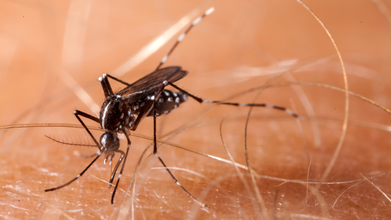
Credit: Canva
Bolivia has reported an outbreak of mosquito-borne Chikungunya virus disease, with cases rising to more than 5,000 nationwide.
Chikungunya is transmitted by the Aedes aegypti and Aedes albopictus mosquitoes -- the same species that spread dengue fever and Zika virus disease. As a result, the disease becomes challenging to diagnose.
The South American country's Ministry of Health, in a statement, shared that "5,371 cases of chikungunya have been registered nationwide".
The worst areas in Bolivia include
- Santa Cruz (4,500 cases)
- Cochabamba (303 cases)
- Tarija (332 cases)
- Chuquisaca (81 cases)
- La Paz (68 cases)
The Ministry informed, "joint efforts to control and manage the vector".
It further noted that an investigation is being conducted to share the results and cause of death, as well as ongoing epidemiological surveillance for all vector-borne disease.
To curb the cases, the Health Ministry noted that "it is supporting the provision of biolarvicide and insecticide for departmental and municipal actions to prevent an increase in cases".
This includes the distribution of about 1,300 liters of insecticide and biological larvicides applied with backpack sprayers, Outbreak News Today reported.
The government also urged the general public to clean weeds from yards and gardens to eliminate the vector’s resting places
Global Cases
In January, the surveillance data from the European Centre for Disease Prevention and Control (ECDC) reported 2,881 cases of Chikungunya virus disease and no associated deaths from 11 countries in European Union this year.
The ECDC noted that the Americas have reported 2,879 cases and one associated death, with Brazil reporting the highest number of cases in 2026.
In addition to Bolivia, other countries in South America reporting chikungunya include Costa Rica, El Salvador, Honduras, and Mexico.
French health authorities also reported a significant rise in chikungunya disease in Mayotte, an overseas department in the Indian Ocean. Since the beginning of 2026, more than 270 confirmed cases have been recorded, Vax-Before-Travel reported.
ECDC data shows that the weekly average of cases in the last two weeks of February 2026 was around 65.
Symptoms And Prevention
There is currently no antiviral drug treatment for chikungunya. While two vaccines against chikungunya have received regulatory approval, it still lacks widespread rollout.
Common symptoms of chikungunya include:
- abrupt onset of fever
- joint and muscle pain
- headache
- nausea
- fatigue
- rash
While serious complications are rare, the elderly and children under one year old may be at risk of long-term symptoms and even death.
The ECDC advised people "to take enhanced measures to prevent mosquito bites".
- Follow Us :


© 2024 Bennett, Coleman & Company Limited