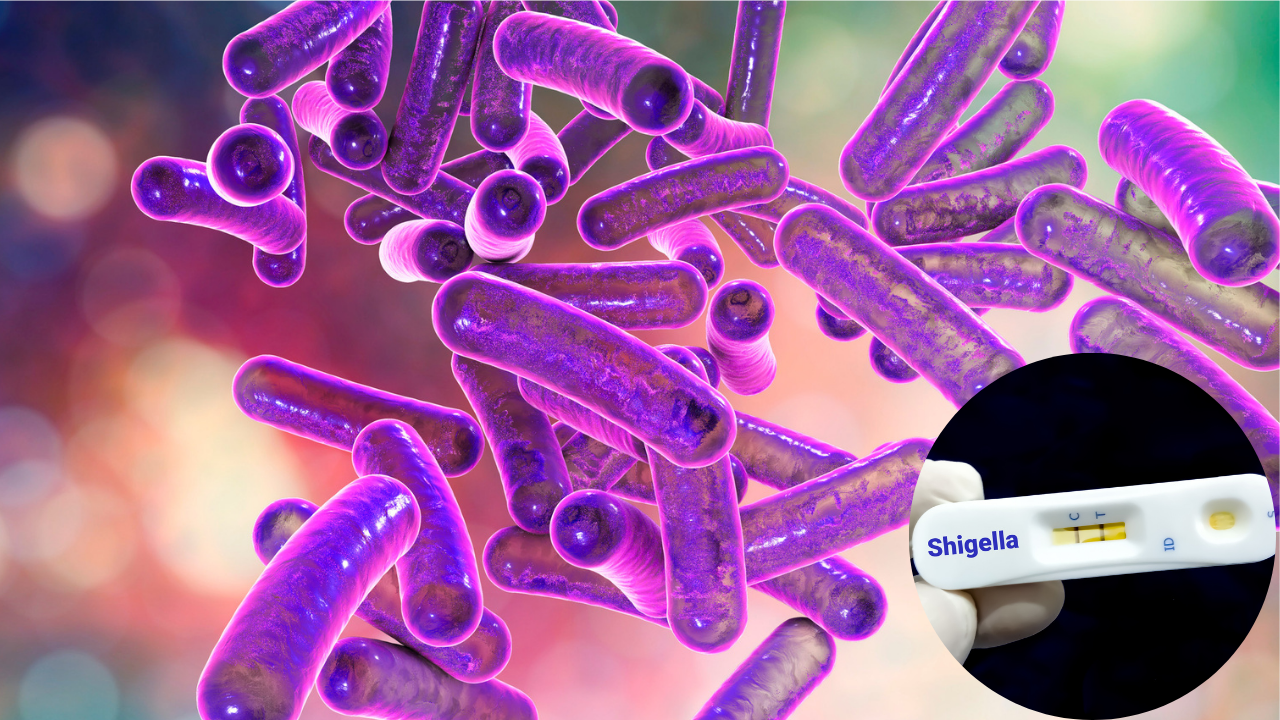
Kerala is battling a highly contagious bacterial disease called shigellosis (bacillary dysentery), caused by the bacteria Shigella. The southern state has recorded 85 cases of the intestinal infection called shigellosis since the beginning of this year.All districts in the state have reported sporadic cases of the disease, which is primarily caused by contaminated food and water or poor hygiene practices.Currently, cases have been reported from northern districts such as Wayanad, Kozhikode, Alappuzha, and Malappuram.This week, two cases involving a four-and-a-half-year-old boy and a five-year-old girl were confirmed among children at Mar Baselios School in Wayanad.About 25 students with suspected Shigella infection have been admitted to the Sultan Bathery Taluk Headquarters Hospital. However, Kerala Health Minister K. Muraleedharan said their conditions are stable, ANI reported.Earlier, a four-year-old girl undergoing treatment at Kozhikode Medical College died after being infected with Shigella.Also read: Kerala Reports 5 Suspected West Nile Fever Cases: Know All About The Mosquito-borne DiseaseAccording to health authorities, 339 people have reported symptoms associated with the infection. Of these, 21 are undergoing treatment at Sultan Bathery Taluk Headquarters Hospital, while 38 others are receiving treatment at private hospitals.Officials said none of the patients is currently in serious condition. A total of 21 samples were sent for laboratory testing. Two samples have tested positive so far, while the results of the remaining samples are awaited.Muraleedharan also asserted that the Shigella outbreak reported in parts of the state remains under control, even as health authorities continue monitoring cases in Wayanad and other districts.The Health Minister noted that a special medical team from Kozhikode Medical College has been deployed to Wayanad, where several students were admitted to hospital following reports of shigellosis, a highly contagious bacterial intestinal infection. Shigella: Why Are Young Children at High Risk?Speaking to HealthandMe, Dr. Rajeev Jayadevan, Ex-President of IMA Cochin and Convener of the Research Cell, Kerala, explained that even a small number of bacteria—as few as 10—is enough to cause infection.It is because the Shigella bacteria “is able to withstand the hostile acidic environment of the human stomach. Outside the human body, it can stay alive in water for weeks together,” he said.Shigella is most severe in children below the age of five, as their immune systems are less efficient at clearing the infection early.“Adults also become ill, but acquired immunity from childhood keeps the infection mild in many instances,” the expert said.How Does Shigella Spread?Read More: Confused By Your Cholesterol Report? Here's What LDL And ApoB Really MeanShigella spreads through:Touching contaminated surfaces or objectsPhysical contact with an infected individualDrinking contaminated water or ice made from unclean water“Shigella outbreaks can occur in crowded places such as anganwadis, where children come into close physical contact with each other and share toys. Very young children also have the habit of putting their fingers in their mouths, which enables the bacteria to gain access to their gut,” Dr. Jayadevan said.The expert noted that houseflies can also spread the bacteria. Flies transmit the bacteria from human feces to food, water, and surfaces, contributing to up to 37 percent of cases in some regions, according to a study published in PLOS Neglected Tropical Diseases.Shigella: What Are the Symptoms?The disease typically develops within one to three days after ingestion of the bacteria and may begin with:FeverDiarrheaBody achesHeadacheOnce the infection involves the large intestine, bloody diarrhea can occur along with severe abdominal cramps. How to Prevent ShigellaDr. Jayadevan stressed the need for early recognition and treatment with appropriate antibiotics. ORS can help prevent dehydration, while zinc tablets can enhance recovery.Other measures to reduce the risk of spread include:Washing hands with soap and water, especially before touching food and after using the toiletMaintaining hygiene among food handlersControlling flies.