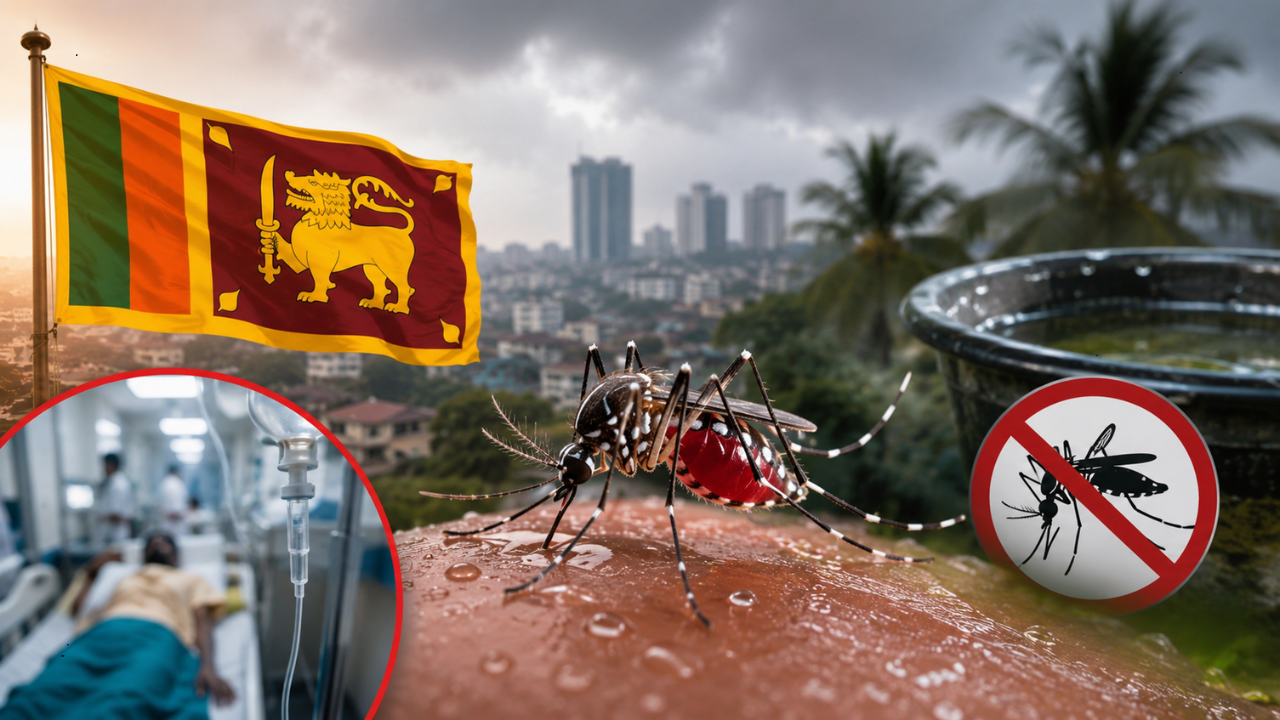
Sri Lanka is facing its worst dengue outbreak in over a decade, with 76,044 cases and 56 deaths reported so far in 2026, according to the National Dengue Control Unit (NDCU).With the onset of the monsoon season, infections have surged sharply. While 8,590 cases were reported in May, the number more than doubled to 21,537 in June. In the first 19 days of July alone, 20,666 cases were recorded, including 2,895 new infections on July 21, the NDCU said.The country has reported 56 dengue-related deaths this year, with a case fatality rate of 0.07%. According to the World Health Organization (WHO), global dengue cases have risen from around 500,000 in 2000 to 14.4 million in 2024.Western Province Worst HitSri Lanka's Western Province remains the hardest-hit region, accounting for more than half of all infections nationwide. Health officials have also identified 162 high-risk areas for dengue transmission, Asia News reported.According to the NDCU, the Ministry of Health is currently conducting surveillance programmes across 63 high-risk divisions. The country is also deploying military drones to identify stagnant water on rooftops and other mosquito breeding sites.Public Health System Under PressureAccording to Reuters, Sri Lanka's public health services and hospitals are battling the country's worst dengue outbreak in nearly a decade, with the armed forces assisting efforts to contain the spread.The response includes air force drones tracking rooftop pools of stagnant water after monsoon rains, while military and police personnel are helping inspect homes, construction sites and schools to eliminate mosquito breeding grounds.Public health workers were "stretched to their limit," said Kapila Kannangara, Acting Director General of the National Dengue Control Unit."The number of patients is high, and the severity of the cases is high," he said, adding that about 75% of cases are linked to the more virulent DENV-2 strain, which is spreading rapidly.Health officials expect infections to decline as monsoon rains weaken in August but warn that cases could rise again from November with the arrival of the island's second annual monsoon season.What Is Dengue?Dengue is a viral infection transmitted primarily by Aedes mosquitoes and is common in tropical and subtropical regions worldwide.Most infections cause high fever and flu-like illness. However, some cases can progress to severe dengue (dengue hemorrhagic fever), which may lead to severe bleeding, shock and death.Dengue is the most widespread viral disease transmitted by Aedes mosquitoes. More than 3.9 billion people across over 132 countries are at risk, with an estimated 96 million symptomatic cases and around 40,000 deaths reported each year globally.Symptoms of Dengue FeverSymptoms usually appear 4–10 days after the bite of an infected mosquito and may include:High feverSevere headachePain behind the eyesJoint and muscle painNausea and vomitingFatigueSkin rash appearing a few days after fever beginsIn severe cases, dengue can cause excessive bleeding, a sudden drop in blood pressure and organ complications.How to Prevent DenguePreventing dengue focuses on avoiding mosquito bites and eliminating breeding sites. Measures include:Using insect repellents containing DEETWearing long-sleeved clothing, especially during dawn and duskInstalling screens on windows and doorsSleeping under mosquito nets in endemic areasRemoving stagnant water from flower pots, gutters and containersUsing mosquito traps or insecticide-treated materials in mosquito-prone areas