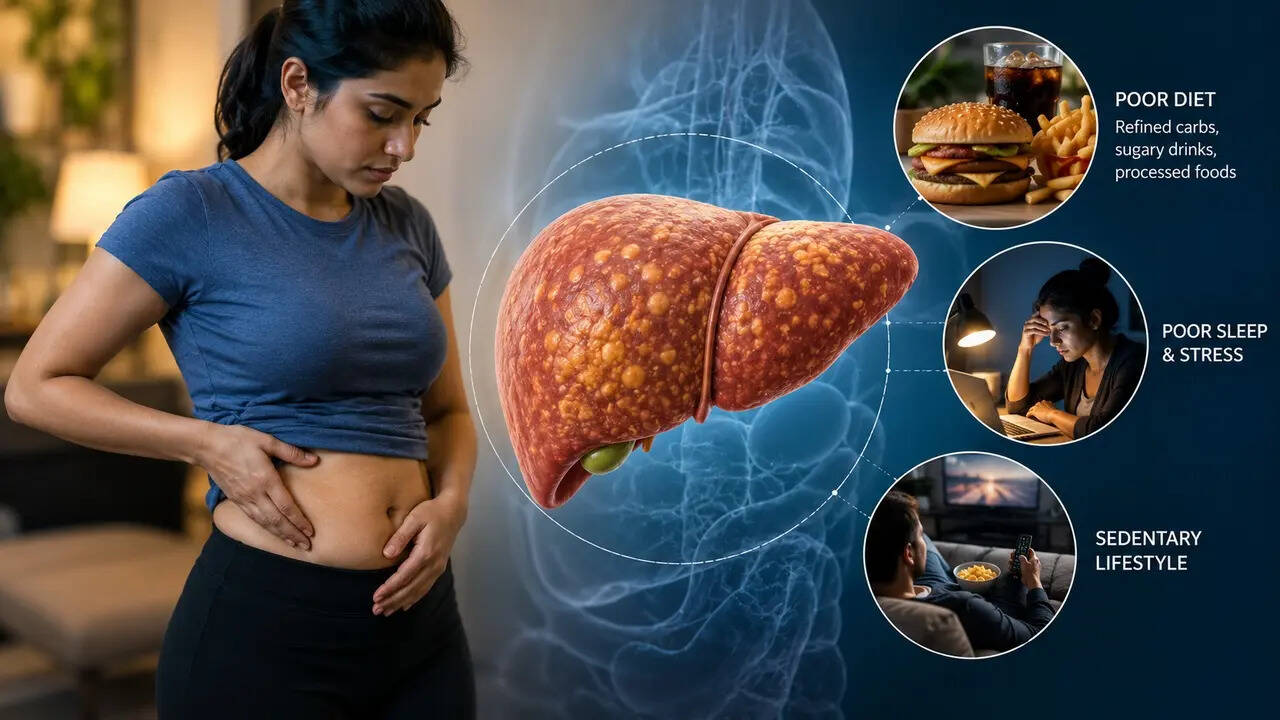
Ravi is 34 years old. He goes to the gym three times a week, weighs a healthy 68 kg, and has never been diagnosed with diabetes or high blood pressure. During his company's annual health check-up, an ultrasound revealed four unexpected words: Grade 1 Fatty Liver.Like many people, Ravi was shocked. "How is that possible?" he asked. "I'm not overweight." The answer reflects a growing reality that is changing how liver specialists understand one of India's fastest-growing liver diseases. The Old Story Vs The New Reality For years, fatty liver—now medically known as Metabolic Dysfunction-Associated Steatotic Liver Disease (MASLD)—was considered a condition affecting people who were overweight, had diabetes, or consumed excessive alcohol. That understanding is no longer complete. Today, we increasingly diagnose fatty liver in individuals who are lean, appear metabolically healthy, and do not consume alcohol. This condition, often referred to as lean MASLD, accounts for nearly 10–20% of fatty liver cases in Asia. Given the unique genetic and metabolic profile of South Asians, the true burden in India may be even higher. So, What Is Actually Going On? The reasons are more complex than body weight alone—and many are hiding in plain sight.Also read: Do People With Type 2 Diabetes Face A Higher Risk of Severe Dengue? New Review Says Yes Your Genes May Be Working Against YouCertain genetic variants, particularly PNPLA3, make the liver more likely to store fat even when the rest of the body appears healthy. This genetic predisposition is significantly more common among South Asians than Western populations. In other words, you may be lean, eat reasonably well, and still develop fatty liver because of your inherited biology. Hidden Metabolic Dysfunction A normal body weight does not always mean a healthy metabolism. Many lean Indians carry excess visceral fat—fat stored around internal organs rather than under the skin. This "skinny fat" phenomenon is especially common in our population and is strongly linked to liver fat accumulation and inflammation, despite a normal BMI.Also read: Subtle Warning Signs Of Serious Health Conditions That Only Your Partner Can Notice It's Not Just How Much You Eat — It's What You Eat A diet rich in refined carbohydrates and added sugars can overwhelm the liver. Frequent consumption of foods such as white rice, refined flour (maida), packaged snacks, biscuits, sugary beverages, and fruit juices provides excess fructose, which the liver converts directly into fat. Over time, this process promotes fatty liver—even in individuals who never become overweight.By Dr. Chetan Kalal, DM Hepatology, Liver Transplant Specialist, Saifee Hospital, Mumbai