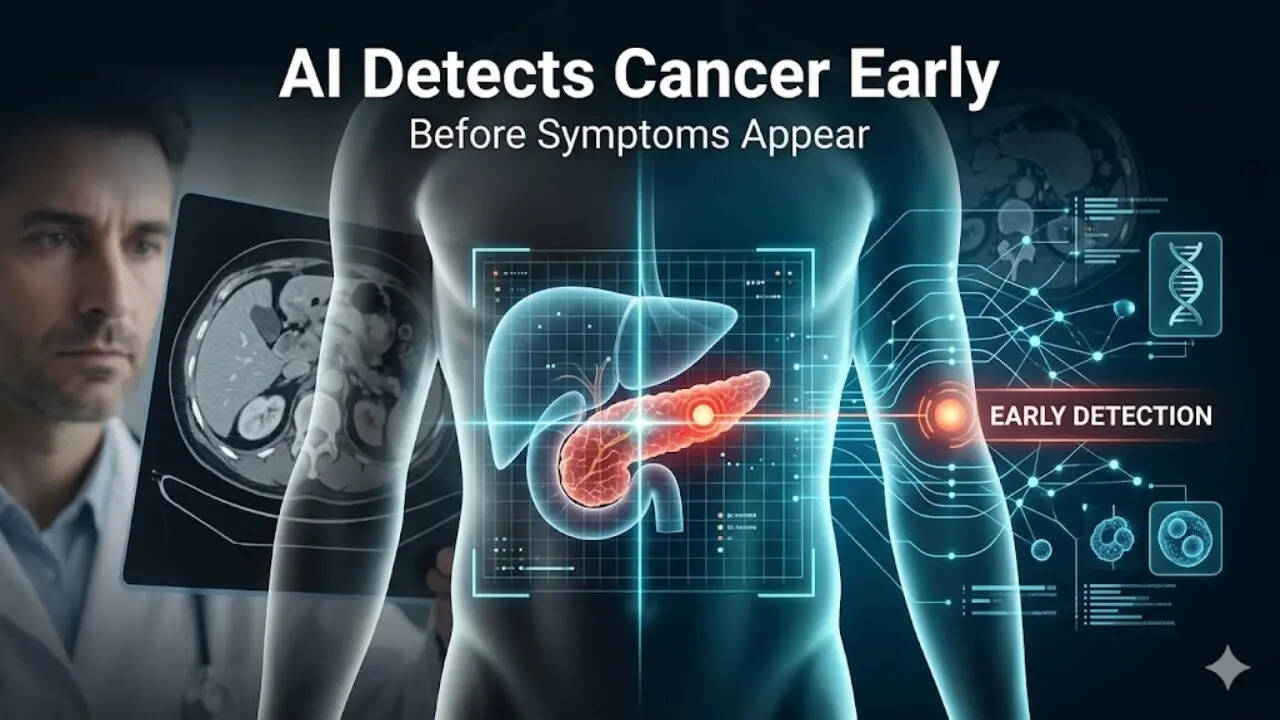
Pancreatic cancer is one of the most painful forms of tumour and is also likely to become the second-leading cause of cancer-related deaths in the US by 2030. This could be because 85 per cent of cancer cases in the US are not diagnosed until the disease has spread. Pancreatic cancer is a disease that is usually diagnosed at an advanced stage because there are no prominent early signs. However, a newly developed AI model from the Mayo Clinic and the University of Texas MD Anderson Cancer Center could change that—a new CT scan-based system can help with the timely diagnosis of pancreatic cancer.Can AI help with pancreatic cancer diagnosis?REDMOD (radiomics-based early detection model) was tested on CT scans of patients who were later diagnosed with pancreatic cancer. Researchers found that in nearly three out of four cases, REDMOD successfully identified the most common form of pancreatic cancer 16 months before diagnosis. It nearly doubled the detection rate of specialists reviewing scans without AI assistance. In some cases, REDMOD recognised suspicious tissue patterns more than two years before diagnosis. Researchers said that the AI system can detect cancer up to three years in advance.How does AI work for pancreatic cancer diagnosis?Experts found that the greatest barrier to saving lives from pancreatic cancer was the inability to detect the tumour when it was still curable. AI can identify cancer signs from a normal-looking pancreas, and it can do so reliably across clinical settings. Researchers used 969 CT scans of the pancreas as training data for REDMOD to help it detect early-stage cancer signs.Instead of looking for a prominent tumour, the model analysed radiomic patterns that disrupt tissue structure and texture—changes that are too subtle for the human eye to detect. Many cancers begin when normal cells acquire DNA mutations, which affect how cells divide and grow. However, it can take years before these changes develop into a tumour that produces symptoms or becomes clearly visible on a scan.How accurate was REDMOD at diagnosing pancreatic cancer?REDMOD was tested on a varied set of CT scans after training — 63 from patients who later developed cancer but were scanned before diagnosis, and 430 from healthy individuals. Out of the 63 cases, REDMOD flagged 46 as suspicious, resulting in a 73 per cent success rate. All these scans had previously been given the all-clear by radiologists who evaluated them at the same time as REDMOD.Out of the 430 healthy individuals, 81 were identified as suspicious cases by REDMOD. This means that if AI were deployed in a real-world scenario, some individuals might be recommended for additional tests before receiving a final all-clear. A similar performance was observed in two other datasets from different hospitals using different equipment. For patients who had multiple scans available, AI produced consistent results, even when the scans were taken months apart.Are there any drawbacks of REDMOD?The sooner REDMOD is implemented in clinical practice, the earlier it can detect pancreatic cancer. It could identify tumours at a stage when treatment is still possible. This could significantly improve survival rates and reduce cancer-related mortality. However, researchers now aim to test the effectiveness of AI in larger and more diverse populations.The research has been published in the Gut.