
- Health Conditions A-Z
- Health & Wellness
- Nutrition
- Fitness
- Health News
- Ayurveda
- Videos
- Medicine A-Z
- Parenting
Meningitis Outbreak: University of Kent Student Among Two Who Died of the ‘Invasive’ Disease

Credits: University of Kent, Cantebury
Two people have died, including a university student in meningitis outbreak. University of Kent reported an outbreak of "invasive" meningitis. As per a BBC South East report, 11 people from Cantebury area have also been hospitalized and reported to be seriously ill. Most of these patients are of ages between 18 and 21, and a number of them are students at the university.
The people who have died are also between the age 18 and 21. The spokesperson of University of Kent confirmed that one of the two who died was a student at the university.
The UK Health Security Agency (UKHSA) is contacting the over 30,000 students, staff and their families to inform them of the situation.
Read: What This 19-Year-Old Thought Was 'Freshers' Flu' Actually Turned Out To Be Meningitis
What Is Meningitis?
Meningitis is a serious medical condition that affects the protective membranes covering the brain and spinal cord, the meninges. While fever is not always present, it is usually considered as one of the classic symptoms of meningitis. It is important to know the varied symptoms, causes, and treatments of meningitis for early diagnosis and proper management of the disease.
Meningitis is an infectious illness that brings about inflammation in the meninges. The most common cause of such inflammation is bacterial or viral infections, though other causes are also possible including fungal, parasitic, or non-infectious causes (autoimmune disease, head injury, or brain surgery). Meningitis may be caused by bacterial meningitis, which the Centers for Disease Control and Prevention (CDC) indicates can be so severe and bring about conditions like hearing loss, vision problems, and death if not received on time.
Does Meningitis Always Cause Fever?
Although fever is a common presentation of meningitis, it is not always present. Certain people, particularly those with compromised immune systems, newborns, or the elderly, can get meningitis without significant temperature elevation. In these instances, other signs such as headache, confusion, or stiff neck can be more suggestive symptoms of the disease.
Fever in meningitis is usually caused by the body's immune reaction to the infection, but some factors can affect its occurrence or absence, such as:
- The nature of meningitis (bacterial, viral, fungal, or non-infectious)
- The immune response of the individual
- Pre-existing health conditions
- The course of the disease
What Are The Common Symptoms Of Meningitis?
Meningitis signs may differ based on the reason and severity of infection. Even though fever is a common symptom, it should also be noted for other vital symptoms, which are:
- Severe headache
- Stiff neck
- Photophobia (sensitivity to light)
- Nausea and vomiting
- Confusion or inability to concentrate
- Fatigue or trouble waking up
- Seizures
- Skin rash (in meningococcal meningitis)
Symptoms in infants can be different and also involve excessive crying, irritability, feeding problems, a bulging soft spot (fontanelle) on the head, and unusual lethargy.
Mpox Outbreak: First Case of Severe Strain Reported in New York City

Credits: Canva
The first known case of a more severe strain of Mpox has been discovered in the New York City. This is the Mpox clade 1. Clade 1 strain has a higher mortality rate than Clade 2. According to the latest records, the former strain has a mortality rate of 1-10% compared to Clade 2's 1-4%. Moreover, statistics have shown that Clade 1 infects children more than adults. People with Mpox are considered infectious until all their lesions have crusted over, the scabs have fallen off and a new layer of skin has formed underneath, and all the lesions on the eyes and in the body (in the mouth, throat, eyes, vagina and anus) have healed too.
In the US, since November 2024, a total of 11 cases of this severe strain have been detected.
As per the US Centers for Disease Control and Prevention (CDC), these cases were in people who had recently traveled to areas that have Mpox outbreak, including Central and Eastern Africa. Some cases were also seen in people who may not have traveled, but had links to people who did travel to these areas.
The ray of hope here is that the CDC says the risk of clade 1 Mpox to the general public in the US remains low. A two-dose vaccine for Mpox had been made available since 2022 for people at a higher risk.
What Is Mpox?
MPOX is a viral zoonotic disease, meaning it can be transmitted from animals to humans. It is caused by the monkeypox virus, which belongs to the Orthopoxvirus genus, the same family as the variola virus that causes smallpox. The disease was first identified in 1958 when two outbreaks of a pox-like disease occurred in colonies of monkeys kept for research, hence the name "monkeypox." The first human case was recorded in 1970 in the Democratic Republic of Congo, during a period when smallpox was being eradicated.
Symptoms of MPOX
MPOX symptoms are similar to those of smallpox but are generally milder. After an incubation period of 5 to 21 days, the disease typically begins with fever, headache, muscle aches, and fatigue. Swelling of the lymph nodes, a distinguishing feature of MPOX, occurs before the appearance of the characteristic rash. The rash usually starts on the face and then spreads to other parts of the body, including the palms of the hands and the soles of the feet. Lesions progress through stages—from macules to papules, vesicles, pustules, and finally scabs—before falling off.
While the disease is usually self-limiting, lasting 2 to 4 weeks, severe cases can occur, especially in children, pregnant women, and immunocompromised individuals. Complications can include secondary bacterial infections, respiratory distress, and, in rare cases, death.
Read: Clade 1 Mpox Virus Detected in US Wastewater; How High Is the Risk of Catching The Virus?
Causes of MPOX: Transmission and Spread
MPOX is primarily transmitted through direct contact with the blood, bodily fluids, or skin lesions of infected animals, including rodents and primates. Human-to-human transmission can occur through close contact with respiratory secretions, skin lesions of an infected person, or recently contaminated objects. It can also be transmitted through respiratory droplets in prolonged face-to-face contact.
The recent global outbreaks have highlighted the possibility of transmission through close contact during sexual activities, although MPOX is not considered a sexually transmitted infection in the traditional sense. The virus can enter the body through broken skin, the respiratory tract, or the mucous membranes of the eyes, nose, or mouth.
Prevention of MPOX
Given the current global emergency, the World Health Organization (WHO) and the Centers for Disease Control and Prevention (CDC) have issued guidelines for preventing MPOX transmission. Key recommendations include:
- Avoiding contact with animals that could harbor the virus, particularly in regions where MPOX is endemic.
- Practicing good hygiene by washing hands frequently with soap and water or using alcohol-based hand sanitizer.
- Using personal protective equipment (PPE), such as masks, gloves, and gowns, when caring for infected individuals.
- Isolating infected individuals from others who are at risk of contracting the virus.
- Vaccination, where available, is also an effective preventive measure. The smallpox vaccine has been shown to provide some protection against MPOX, and newer vaccines specifically designed for MPOX are being developed and deployed.
Japan Approves First-Ever Stem Cell Therapies For Parkinson’s And Heart Failure

Credit: Canva
Japan has been granted the world's-first approval for two stem cell–based regenerative therapies, one for Parkinson’s disease and one for severe heart failure.
Stem cells are unspecialized foundational cells with the unique ability to self-renew and differentiate into various specialized cell types, such as muscle, blood or brain cells. They are essential for tissue repair, regeneration, and development, acting as an internal repair system.
Stem cell therapy, or regenerative medicine, uses stem cells or their derivatives to repair, replace, or regenerate diseased, dysfunctional, or injured tissue. It involves guiding stem cells to become specialized cells (heart muscle, nerve, or blood cells) to treat conditions like blood cancers, orthopaedic injuries, and neurodegenerative diseases.
Based on the Japanese approval, the Parkinson’s stem cell therapy treatment uses induced pluripotent stem cells (iPSCs) that are converted into dopamine-producing neurons and transplanted into the brain to replace cells lost during the disease.
Moreover, the heart failure therapy involves placing sheets of stem cell–derived heart muscle cells onto the heart, which may help restore cardiac function by promoting tissue repair and new blood vessel growth.
Both therapies received conditional approval, meaning they can be used clinically while researchers continue to collect additional safety and effectiveness data from patients.
What Is Parkinson's Disease?
Parkinson's disease is a progressive, neurodegenerative movement disorder caused by the loss of dopamine-producing brain cells, primarily affecting people over 60. Apart from motor loss, the disease also causes cognitive decline, depression, anxiety and swallowing problems.
The first symptom may be a barely noticeable tremor in just one hand or sometimes a foot or the jaw. Over time, swinging your arms may become difficult and your speech may become soft or slurred. The disorder also causes stiffness, slowing of movement and trouble with balance that raises the risk of falls.
Lifestyle Changes Can Prevent Parkinson's Disease
While Parkinson’s disease cannot be entirely prevented, experts suggest several lifestyle modifications that may reduce the risk. Dr Himanshu Champaneri, Senior Consultant in the Department of Neurosciences and Neurosurgery at Marengo Asia Hospitals in Gurugram told India Today that physical activity could aid in maintaining brain health. He recommends engaging in at least 150 minutes of moderate-to-intense exercise per week, including walking, running, swimming, and dancing.
Meanwhile, other experts have suggested that certain types of Parkinson's disease such as vascular Parkinsonism, are linked to the hardening of brain blood vessels. To mitigate this risk, she advises regular exercise, a low-fat diet, and monitoring blood pressure, sugar, and cholesterol levels. Additionally, industrial pollution is associated with an increased incidence of Parkinson's.
She suggests spending time in natural environments away from industrial pollutants to help lower the risk.
Menstruation Not a Disability: Experts Call Mandatory Period Leaves Unnecessary, Urge Alternative Options
Credit: Canva
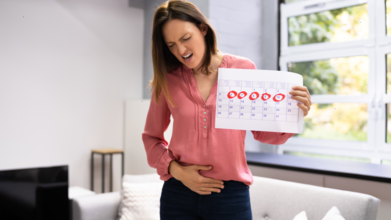
Menstruation is not a disability, and therefore, there is no need for mandatory period leaves, said experts, a day after the Supreme Court of India quashed the petition seeking a menstrual leave policy.
The top court expressed concerns that a law making paid leave during menstrual pain compulsory could harm the careers of young women and deprive them of equal opportunities.
While such a policy may look appealing from a “rights perspective,” the court noted it could have “long-term impacts.”
According to the 2025 Periodic Labor Force Survey (PLFS) data released by the Ministry of Statistics and Program Implementation (MoSPI), women’s labor force participation (LFPR) showed significant growth, reaching 35.3 percent in December 2025, driven largely by a consistent rise in rural areas, which peaked at 40.1 percent.
The female worker population ratio (WPR) also increased, reaching a yearly high in December, highlighting greater engagement in the workforce.
However, India’s female participation remains notably lower than the global average of nearly 49 percent and the OECD average of 67 percent, indicating a persistent, though shrinking, gender gap.
In this context, the court observed that a mandatory period leave policy could create the impression that women “still have some natural issues” and “are not at par with male persons.”
“Will an employer be happy if an employee takes leave every month? You risk creating a situation where employers may be reluctant to hire women,” the bench said.
Period Pain is Real. Paid Leave Unnecessary
HealthandMe spoke to several experts who agreed with the Supreme Court’s view, noting that while period pain and related concerns are real, they do not warrant paid leave for all women employees.
Periods affect women worldwide. For some, it comes with severe back pain, headaches, cramps, fatigue, and other symptoms. For others, the days pass with little discomfort.
“I feel mandatory menstrual leave for all female employees is unnecessary. While menstrual issues are real, not everyone suffers from them. Young women experience debilitating pain in about 1 in 10 cases, while women in their 40s may experience heavier bleeding, perhaps debilitating in 1 out of 7 individuals,” Dr. Ruma Satwik, Senior Consultant at Sir Ganga Ram Hospital, New Delhi, told HealthandMe.
Dr. Sabine Kapasi, a public health expert and UN advisor, emphasized that menstrual health deserves significant policy attention.
“But a universal requirement for leave may not be sufficient and is not necessarily the best approach,” she added.
Women have long faced societal and workplace stereotypes, with gender bias evident in wages, hierarchies, and opportunities. A LinkedIn report shows that gender disparity is more pronounced in leadership roles: in 2025, women held only 18 percent of top positions in India, far lower than their overall workforce representation.
“A policy must avoid inadvertently perpetuating gender bias in employment or career advancement,” Kapasi told HealthandMe.
During the Supreme Court hearing, Chief Justice Surya Kant said that with the mandatory menstrual leave law, employers might hesitate to hire women.
“We are creating ‘All Women Teams’ and ‘All Women Service Centers.’ How will they function if such a leave policy is approved? Menstruation is not a disability. It is a biological fact that women have managed over generations,” Indira Murthy, Retired Joint Secretary, Government of India, Advocate, High Court and Supreme Court, and Arbitrator, told HealthandMe.
A Sustained and Flexible Approach
Experts acknowledged the genuine challenges women face during menstruation and suggested alternative measures, including work-from-home arrangements.
Murthy noted that the Supreme Court emphasized voluntary employer initiatives, while also stating that proper institutional arrangements should ensure hygiene and safety for women and children.
“For some women, periods are very uncomfortable. They may be unable to work during these days. Companies can provide flexibility and allow period leaves,” said Dr. Alpna Kansal, President of IMA Ghaziabad.
Kapasi recommended a more sustained approach in workplaces, urging employers to recognize that conditions like endometriosis or severe dysmenorrhea can significantly impact well-being and productivity.
Flexible, stigma-free policies can help women while maintaining workplace fairness.
“Menstrual health awareness, workplace flexibility, access to care, and supportive leave policies integrated into broader occupational health frameworks should be priorities. Women’s health can be safeguarded with a balanced strategy without causing structural disadvantages at work,” Kapasi added.
Dr. Satwik noted that most cases of pain or heavy bleeding can be managed with medication.
“Only in rare cases would symptoms be refractory to treatment, requiring injections or surgical intervention. Those experiencing debilitating symptoms should be granted leave as part of standard sick leave,” she said.
Murthy emphasized that the Supreme Court did not propose a blanket ban.
“No one-size-fits-all policy works. Policy-making should benefit even the last person in the queue. Work-from-home arrangements are a sustainable solution to this issue,” she said.
- Follow Us :


© 2024 Bennett, Coleman & Company Limited