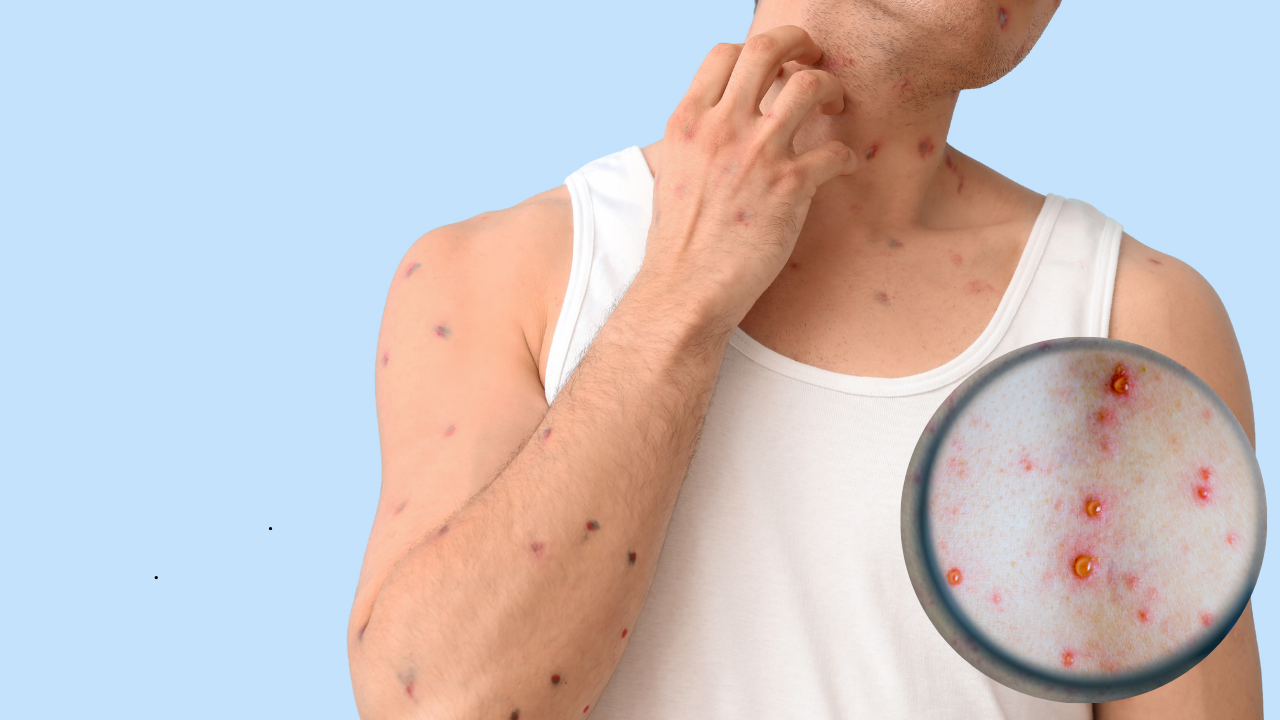
The first known case of a more severe strain of Mpox has been discovered in the New York City. This is the Mpox clade 1. Clade 1 strain has a higher mortality rate than Clade 2. According to the latest records, the former strain has a mortality rate of 1-10% compared to Clade 2's 1-4%. Moreover, statistics have shown that Clade 1 infects children more than adults. People with Mpox are considered infectious until all their lesions have crusted over, the scabs have fallen off and a new layer of skin has formed underneath, and all the lesions on the eyes and in the body (in the mouth, throat, eyes, vagina and anus) have healed too.In the US, since November 2024, a total of 11 cases of this severe strain have been detected. As per the US Centers for Disease Control and Prevention (CDC), these cases were in people who had recently traveled to areas that have Mpox outbreak, including Central and Eastern Africa. Some cases were also seen in people who may not have traveled, but had links to people who did travel to these areas. The ray of hope here is that the CDC says the risk of clade 1 Mpox to the general public in the US remains low. A two-dose vaccine for Mpox had been made available since 2022 for people at a higher risk. What Is Mpox?MPOX is a viral zoonotic disease, meaning it can be transmitted from animals to humans. It is caused by the monkeypox virus, which belongs to the Orthopoxvirus genus, the same family as the variola virus that causes smallpox. The disease was first identified in 1958 when two outbreaks of a pox-like disease occurred in colonies of monkeys kept for research, hence the name "monkeypox." The first human case was recorded in 1970 in the Democratic Republic of Congo, during a period when smallpox was being eradicated.Symptoms of MPOXMPOX symptoms are similar to those of smallpox but are generally milder. After an incubation period of 5 to 21 days, the disease typically begins with fever, headache, muscle aches, and fatigue. Swelling of the lymph nodes, a distinguishing feature of MPOX, occurs before the appearance of the characteristic rash. The rash usually starts on the face and then spreads to other parts of the body, including the palms of the hands and the soles of the feet. Lesions progress through stages—from macules to papules, vesicles, pustules, and finally scabs—before falling off.While the disease is usually self-limiting, lasting 2 to 4 weeks, severe cases can occur, especially in children, pregnant women, and immunocompromised individuals. Complications can include secondary bacterial infections, respiratory distress, and, in rare cases, death.Read: Clade 1 Mpox Virus Detected in US Wastewater; How High Is the Risk of Catching The Virus?Causes of MPOX: Transmission and SpreadMPOX is primarily transmitted through direct contact with the blood, bodily fluids, or skin lesions of infected animals, including rodents and primates. Human-to-human transmission can occur through close contact with respiratory secretions, skin lesions of an infected person, or recently contaminated objects. It can also be transmitted through respiratory droplets in prolonged face-to-face contact.The recent global outbreaks have highlighted the possibility of transmission through close contact during sexual activities, although MPOX is not considered a sexually transmitted infection in the traditional sense. The virus can enter the body through broken skin, the respiratory tract, or the mucous membranes of the eyes, nose, or mouth.Prevention of MPOXGiven the current global emergency, the World Health Organization (WHO) and the Centers for Disease Control and Prevention (CDC) have issued guidelines for preventing MPOX transmission. Key recommendations include:Avoiding contact with animals that could harbor the virus, particularly in regions where MPOX is endemic.Practicing good hygiene by washing hands frequently with soap and water or using alcohol-based hand sanitizer.Using personal protective equipment (PPE), such as masks, gloves, and gowns, when caring for infected individuals.Isolating infected individuals from others who are at risk of contracting the virus.Vaccination, where available, is also an effective preventive measure. The smallpox vaccine has been shown to provide some protection against MPOX, and newer vaccines specifically designed for MPOX are being developed and deployed.