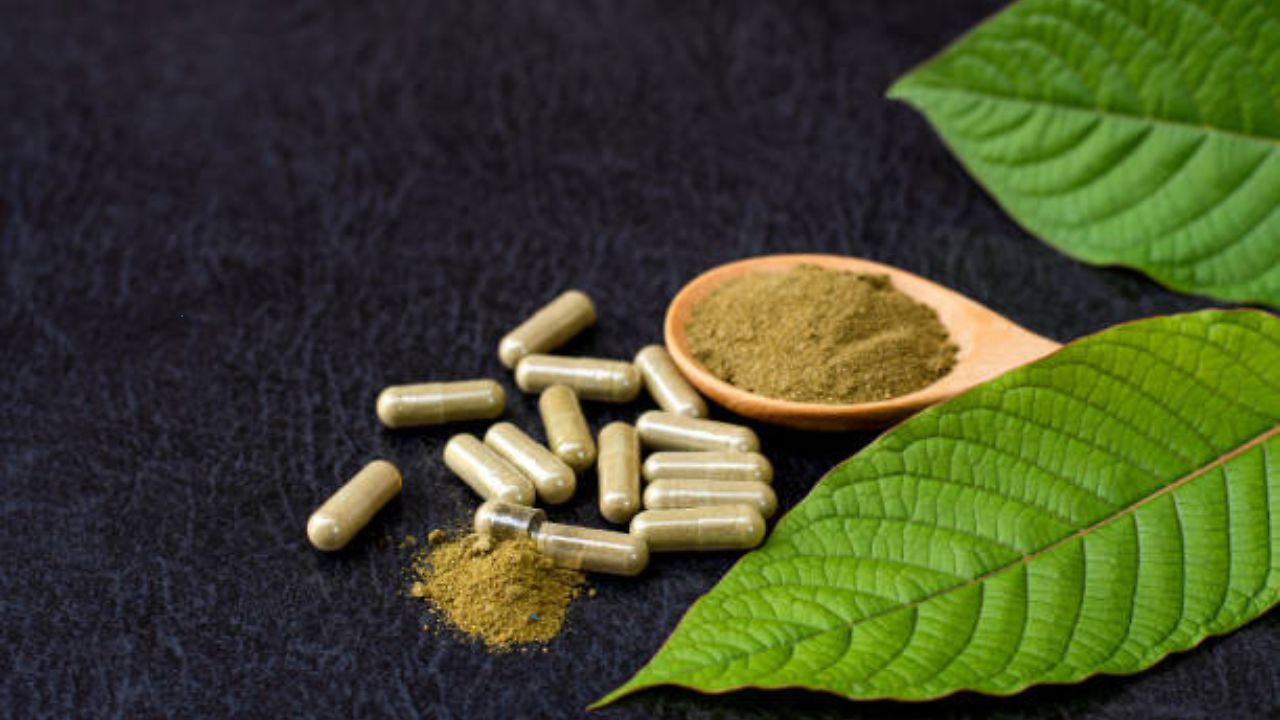
The deaths of two University of Mississippi students whose toxicology reports reportedly detected synthetic kratom-related substances have renewed concerns about the gas-station supplement and calls for a nationwide ban.Kratom is banned in at least eight US states: Alabama, Arkansas, Connecticut, Indiana, Louisiana, Tennessee, Vermont and Wisconsin. Several others, including Iowa and Idaho, are considering restrictions.What Happened In Mississippi?Aidan Hamilton, 18, and Robert Strang, 20, died in separate incidents on September 21. Investigators found packaging associated with kratom-related products, including SMAX Pseudo-DHM, at both locations, according to court documents.A defense attorney for one of two men accused of selling narcotics connected to at least one death told a Mississippi federal court that one student died from the combined effects of multiple substances, including cough syrup, while the other died from inhalation asphyxiation, Action News 5 reported.Court records reportedly showed that both students had mitragynine pseudoindoxyl, MGM-15 and 7-hydroxymitragynine (7-OH) in their systems. However, the presence of these substances alone does not establish that they caused the deaths.Kratom Use And Related Health Concerns Are GrowingKratom comes from the leaves of the Mitragyna speciosa tree, native to Southeast Asia. Traditionally used for its stimulant and pain-relieving effects, it is now sold in the US as powders, capsules, teas and extracts.US poison centers recorded 3,434 kratom exposure reports in 2025, up from 258 in 2015, according to CDC data.Legislative efforts to restrict kratom have also intensified. An analysis by The Washington Post found that, among roughly 400 related bills considered across states, 108 proposed bans on kratom or related synthetic chemicals, while 258 focused on measures such as age limits, licensing and potency restrictions.Can Kratom Be Addictive?Kratom contains alkaloids, primarily mitragynine. At lower doses, it can increase alertness and energy; at higher doses, it can produce sedative and opioid-like effects by interacting with opioid receptors in the brain.Regular use can lead to physical dependence. Withdrawal symptoms may include irritability, restlessness, muscle aches, fatigue and sweating.The US Food and Drug Administration (FDA) says evidence suggests that some people develop substance use disorder after using kratom, although its potential for abuse has not been fully characterized in well-designed human studies.Why Are Concentrated 7-OH Products Concerning?7-hydroxymitragynine, or 7-OH, occurs naturally in trace amounts in kratom leaf. Some commercial products contain concentrated levels and are sold as tablets, gummies and drink shots.The FDA has warned that these products have not been demonstrated to be safe or effective for any medical use. The American College of Medical Toxicology has highlighted concerns about opioid-like intoxication, respiratory depression, dependence and withdrawal.Kratom-Related Hospitalizations Are RisingAccording to a University of Virginia study, hospitalizations linked solely to kratom rose from 43 in 2015 to 538 in 2025.Poison centers recorded 901 exposures involving 7-OH between January and June 2026, compared with 593 during all of 2025.Although these figures highlight growing concerns, they do not establish that concentrated 7-OH products caused the increase in kratom-related hospitalizations.Kratom is not an FDA-approved treatment for pain, opioid withdrawal or any other medical condition. Its long-term health effects remain incompletely understood.