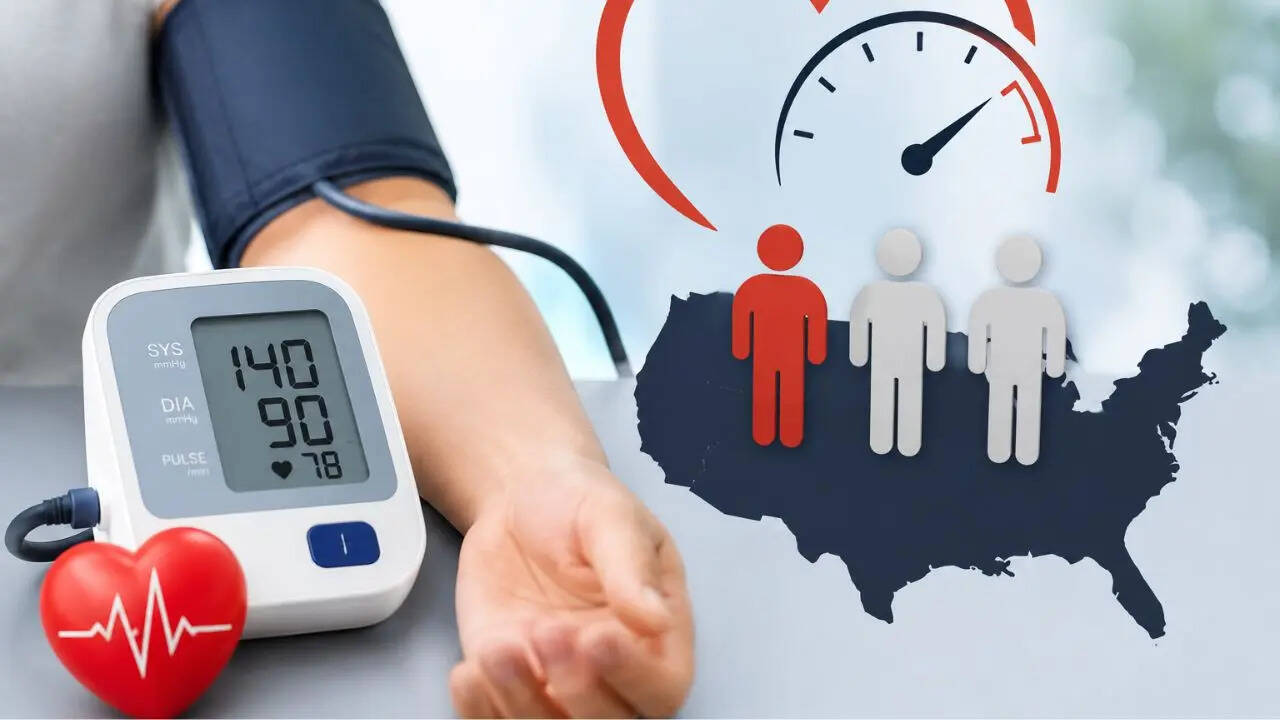
A new study suggests that nearly one in three adults in the United States could benefit from blood pressure-lowering medication under the latest treatment guidelines. Yet millions who qualify are either not taking medication or have blood pressure that remains above recommended targets, highlighting a major gap in hypertension care. The findings, published in JAMA, analysed data from the U.S. National Health and Nutrition Examination Survey (NHANES) collected between 2021 and 2023. Researchers evaluated how the updated 2025 American Heart Association (AHA) and American College of Cardiology (ACC) blood pressure guidelines would affect treatment eligibility. Unchecked Hypertension Crisis According to the researchers, an estimated 34 million U.S. adults, roughly one in three, meet the criteria for blood pressure medication but are not currently taking it. Nearly 19 million of them have blood pressure readings of 140/90 mmHg or higher, placing them at increased risk of heart attack, stroke, kidney disease, and dementia if left untreated. The study also found that almost 80% of adults with hypertension have blood pressure levels above the recommended treatment goal of less than 130/80 mmHg.Also read: Not Just The Heart, Obesity In Midlife Could Be Just As Harmful To The Brain: Study Treatment Gap Researchers observed that many adults with high blood pressure were not taking any antihypertensive medication, despite being eligible under current guidelines. Among those who were not receiving treatment, about two-thirds had blood pressure values within 10 mmHg of the recommended target. The observation suggested that a combination of medication and lifestyle changes could help many get their readings down. On the other hand, people who were already taking medication often had blood pressure levels that remained well above target, indicating that medication may need to be intensified. The authors wrote, “Many could potentially achieve blood pressure control with initiation of antihypertensive medication and lifestyle modification.” They further noted, “These findings highlight a large gap in hypertension control that implementation of the 2025 AHA/ACC blood pressure guideline recommendations could address.”Also read: Smoking, Diabetes, High Blood Pressure May Fuel the Most Dangerous Type of Artery Plaque, Study Finds High BP Is The Silent Killer High blood pressure is often called the “silent killer” because it usually causes no symptoms while quietly damaging blood vessels and vital organs over time. According to the U.S. Centers for Disease Control and Prevention (CDC), uncontrolled hypertension is a major contributor to heart disease and stroke, two of the leading causes of death in the country. Researchers also pointed out that more than 80% of adults with uncontrolled blood pressure had health insurance and a regular place for medical care, suggesting that access alone does not fully explain why treatment goals are not being met.Also read: Why Lifestyle Diseases Don't Take A Break During The Monsoon—Managing Diabetes, Hypertension, And Heart Conditions Recommended Lifestyle Changes The updated AHA/ACC guidelines emphasise that treatment should not rely on medication alone. Doctors recommend: Following a heart-healthy dietReducing salt intakeMaintaining a healthy weightExercising regularlyAvoiding alcoholQuitting smokingTaking prescribed medicines consistentlyAttending regular follow-up appointmentsAs hypertension continues to affect millions, researchers say earlier diagnosis, timely treatment, and sustained lifestyle changes could substantially reduce the burden of cardiovascular disease and improve long-term health outcomes.