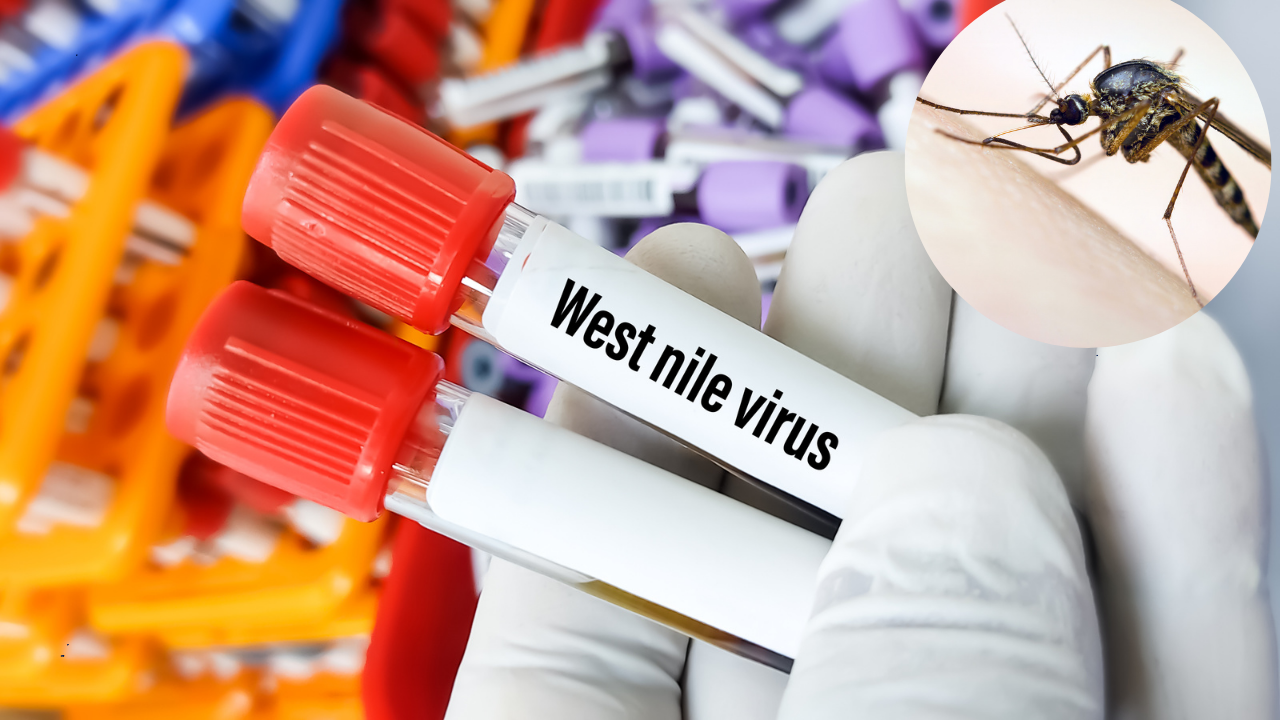
The World Health Organization (WHO) has warned that West Nile virus infections are increasing across parts of Europe, with hotter temperatures, longer summers, and changing weather patterns creating ideal conditions for mosquito-borne disease transmission.The warning comes as Europe grapples with intense heatwaves and widespread wildfires, which experts say are contributing to the spread of disease-carrying mosquitoes.Cases Rising Across Southern EuropeGreece has recorded the sharpest recent increase, with 21 confirmed human cases as of July 22, including 14 reported in the previous week alone.Of these, 20 patients developed neuroinvasive disease, such as encephalitis or meningitis, and 13 remain hospitalized.Italy has reported the widest geographic spread, with 21 confirmed cases across 17 different areas as of July 15. Locally acquired infections have also been reported in North Macedonia (2 cases), Romania (2), and Spain (2).The WHO noted that while the risk remains low for most people, it may turn deadly for some. "West Nile virus is not a new threat, but the conditions driving its spread are changing rapidly," said Dr. Hans Henri P. Kluge, WHO Regional Director for Europe.“Most infections are mild, but roughly 1 in 150 people who contract the virus will develop a severe infection affecting the central nervous system, which can be life-threatening,” he added.Kluge added that warmer temperatures and longer summers are giving mosquitoes more time and a wider geographic range to transmit the virus.What Is West Nile Virus?West Nile virus is spread primarily through the bite of an infected mosquito. Mosquitoes become infected after feeding on infected birds and can then transmit the virus to humans and other animals.In Europe, infections typically occur during the mosquito season—from late spring through autumn—with transmission peaking between July and September.Although rare, the virus has also been transmitted through blood transfusions, organ transplantation, pregnancy, and breastfeeding. There is no evidence of person-to-person transmission through everyday contact.Currently, there is no licensed vaccine for humans and no specific antiviral treatment. Care focuses on relieving symptoms, while severe cases may require hospital-based supportive treatment.Symptoms to Watch ForAround 70–80% of infected people develop no symptoms.Those who do become ill may experience:FeverHeadacheFatigueBody achesNausea or vomitingSkin rashSwollen lymph nodesIn severe cases, the infection can affect the nervous system, causing:High feverNeck stiffnessDisorientationTremorsConvulsionsMuscle weaknessParalysisComaAnyone who develops symptoms after returning from an area where the virus is circulating should seek medical attention promptly. People with severe symptoms require urgent medical care.West Nile virus infection can be confirmed through laboratory tests that detect virus-specific antibodies or viral RNA, depending on the stage of illness.How to Protect YourselfAs there is no vaccine or specific treatment, WHO says prevention depends on avoiding mosquito bites and reducing mosquito breeding sites.WHO recommends:Wear light-colored clothing that covers the arms and legs.Limit outdoor activities during dawn and dusk, when mosquitoes are most active.Apply mosquito repellents containing approved ingredients according to the manufacturer's instructions. Adults should apply repellent to young children and avoid the eyes, mouth, and hands.Install window and door screens to keep mosquitoes out of homes.Sleep in air-conditioned rooms, use fans, or sleep under mosquito nets where needed.Eliminate standing water from flowerpots, buckets, bird baths, clogged gutters, and other containers where mosquitoes can breed.