
- Health Conditions A-Z
- Health & Wellness
- Nutrition
- Fitness
- Health News
- Ayurveda
- Videos
- Medicine A-Z
- Parenting
Nipah Virus Fatality Reported in Bangladesh, One Woman Dead

A woman with no travel history has died from Nipah virus in Bangladesh, the World Health Organization has confirmed.
The patient, aged between 40 and 50, developed a fever and headache-like symptoms consistent with the virus, followed by hypersalivation, disorientation and convulsion on 21 January.
The case was reported in the northern Naogaon district, Sharmin Sultana, senior scientific officer at the Institute of Epidemiology, Disease Control and Research, later said.
She died on January 28 and was confirmed to be infected with the virus the day after. Although she had no travel history, she regularly consumed raw date palm sap, reports suggest.
The WHO said all 35 people who had contact with the now-deceased patient were being monitored and have tested negative for the virus. No new cases had been detected to date.
Since its emergence in 2001, Bangldesh has reported cases of Nipah virus in humans every year. In 2025, four laboratory-confirmed fatal cases were reported in the country.
What's Happening In India?
The Nipah virus outbreak began in West Bengal, India in January with two hospital nurses at AIIMS, Kolkata, testing positive for the infection and being quarantined, prompting widespread testing. Soon after, five cases, including a doctor and a staff member, were confirmed and over 100 people were quarantined.
However, one of the nurses, a 25-year-old unidentified man has now made a recovery and revealed his experience with the virus, claiming that despite irritation in the throat and uncertainty about what lay ahead, he had faith in his doctors and fellow nurses.
In an interview with the Metro, he said: “After I was taken off ventilation and regained consciousness, I came to know that I have Nipah. I still had the tube in my mouth, and there was irritation. Despite the irritation and my fear, I had faith in the doctors and nurses.
“I have suffered and I know the symptoms. I will tell people when they should get checked for the Nipah virus. I want to raise awareness about the virus and its symptoms.
“I am not sure how I came in contact with the deadly virus. Maybe it was while treating a patient. But I will continue to work as a nurse. I am waiting to rejoin the hospital,” he added.
The unidentified healthcare professional remains very weak physically and is undergoing physiotherapy to regain his strength. “I was bedridden for over a month. I am still very weak and have an unstable gait. So, I am undergoing physiotherapy,” he said.
The other nurse, a woman, remains in a coma but has been taken off ventilation support, a hospital official confirmed this week.
Nipah Virus: What Is It And What Are Its Symptoms?
According to WHO, Nipah virus is a zoonotic illness which means it is mostly transmitted from animals to humans through bats. However, it can also spread through fruits that have been contaminated by the saliva, urine or droppings of infected bats. Human-to-human transmission can also occur through close contact with an infected person or their bodily fluids.
The illness has a 75 percent fatality rate, and there are no vaccines to protect the public.
The virus was first identified in 1998 during an outbreak among pig farmers in Malaysia and soon made its way to India and Bangladesh in 2001, with cases often involving family members or caregivers tending to the infected patient.
READ MORE: Nipah vs Bird Flu in India: Which Virus Poses A Greater Threat To Humans?
Although the Nipah virus has caused only a few known outbreaks in Asia, it infects a wide range of animals and causes severe disease and death in people. Some of its common symptoms include:
- Fever
- Headache
- Breathing difficulties
- Cough and sore throat
- Diarrhea
- Vomiting
- Muscle pain and severe weakness
Samples collected from the patient’s home and workplaces, including pets and partially eaten fruits dropped by bats, all tested negative for the virus, and the exact source of the infection could not be identified.
Breast Cancer Screening: AI May Predict Tumours Before Mammograms Can Detect Them

Modern guidelines recommend women undergo breast cancer risk assessment at 35 years itself. (Photo credit: iStock)
New global guidelines have just been released for breast cancer screening, and they involve the introduction of artificial intelligence in the process. Breast cancer is one of the most commonly diagnosed forms of tumour in women globally. In India, it is the most common form of cancer detected in women living in metro cities. According to the National Comprehensive Cancer Network (NCCN), a non-profit alliance of 33 cancer treatment centres in the US, women aged 35 years and above should be eligible for AI-powered mammogram risk assessment rather than at a later stage.
Why is timely prediction of cancer risk important?
The NCCN aims to boost the diagnosis rates of breast cancer by paving the way for accurate predictions of risks. This will, over time, help achieve timely screening. As per experts, this change in global breast cancer screening guidelines, especially the integration of AI in the process, marks a paradigm shift—from a detection-first to a prediction-first approach. Historically, mammograms were used after the age of 40 for the detection of existing cancers. The modern guidelines, however, recommend that women get screened from the age of 35 onwards, with AI algorithms used to predict future risks.
What this means for India
Experts say that this shift is important for India. In India, breast cancer is the most prevalent form of tumour among women, and delayed diagnosis is one of the reasons responsible for the current mortality rate. Breast cancer is also often diagnosed late because of the unavailability and limited accessibility of screening facilities. Introducing AI in this process can help bridge the gap in several ways.
Doctors say that the introduction of AI in the breast cancer screening process will help facilitate the identification of high-risk patients, regardless of their family history or the presence of genetic markers. This is important because most cases of breast cancer do not arise from these factors. This helps provide screening in a way that does not require universal testing.
Traditional screening methods for breast cancer
Traditionally, cancer screening largely depends on family history and age. AI, however, can now analyse large volumes of imaging data, clinical history, breast density, and genetic factors for a more personalised approach and targeted diagnostic methods. The adoption of AI-driven risk assessment can help improve patient outcomes, as per doctors.
Use of AI in breast cancer detection
Women at high risk of breast cancer can make detection easier for themselves by making use of advanced modalities such as MRI. An MIT-developed AI-based breast cancer risk model can detect tumours up to five years in advance using mammographic data alone. This AI-based risk assessment technique has also been recommended by global experts and is published in The Lancet. The study found consistent favourable outcomes.
Heatwave In India: Govt Issues Advisory, Doctors Stress Hydration
Credit: Canva
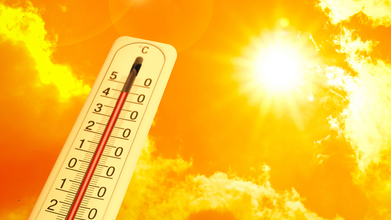
Rising global temperatures are driving heatwave conditions in India, said the Indian government, while releasing an advisory to warn people about the increased health risks.
Taking to the social media platform X, the Ministry of Health and Family Welfare urged the public to take precautions during extreme heat.
"Heat waves are increasing due to rising global temperatures," said the Ministry in the advisory.
It shared safety measures and an informative poster explaining the impact of rising temperatures and steps to manage heat stroke.
The poster highlighted that a rise of 1 degree Celsius in global temperatures can lead to longer durations of heatwaves.
Further, it stated that insufficient hydration during heatwaves reduces the body's natural ability to cool itself, which can result in heat stroke.
The poster also detailed preventive measures to avoid heat stroke. It also advised people to avoid heavy work during mid-noon hours, drink plenty of water, avoid consuming heavily caffeinated or sugary drinks as they may cause dehydration, wear light-colored clothes, and take frequent breaks while working outdoors.
Which States Are At Risk?
The India Meteorological Department (IMD) has warned of heatwave conditions in several parts of the country.
Regions likely to face extreme heatwave conditions until April 20 include Telangana and Rayalaseema, Madhya Maharashtra and Marathwada, North Interior Karnataka, Madhya Pradesh, Chhattisgarh, Vidarbha, Odisha, Jharkhand, and West Rajasthan.
In addition, hot and humid weather conditions are expected in coastal regions such as Kerala, Tamil Nadu, Gujarat, and Coastal Andhra Pradesh.
Meanwhile, the national capital saw its hottest day of the year on Wednesday, as temperatures climbed sharply, signaling the onset of harsher summer conditions. According to IMD, the maximum temperature at Safdarjung, the city’s base station, touched 39.2 degrees Celsius, about 3 degrees above normal. This surpassed Tuesday’s 38.2 degrees Celsius, marking a noticeable upward trend.
While the mercury is expected to inch closer to 42 degrees Celsius by Friday, the weather office has ruled out heatwave conditions for at least the next week.
“A gradual rise is expected in maximum temperatures by 2-3 degrees during the next three days and fall by 1-2 degrees thereafter. The maximum temperatures are likely to be above normal to appreciably above normal during the next seven days," Times Of India quoted a Met official as saying.
As per the weather department, despite a slight chance of light rain in parts of Haryana and NCR on April 17 and 18, there is no relief expected for Delhi.
Forecasts suggest daytime temperatures will hover between 39 degrees Celsius and 41 degrees Celsius on Thursday, rising further to 40-42 degrees Celsius from Friday through Sunday.
The IMD has cautioned that such above-normal temperatures could pose moderate health risks, especially for infants, elderly individuals, and those with chronic illnesses.
Hydration Is key, Say Doctors
Dr. Anil Gomber, Director and Senior Consultant – Internal Medicine & Diabetologist, Yatharth Hospital, told HealthandMe: “It is crucial to take preventive measures to avoid heat-related illnesses".
Prolonged exposure to high temperatures can lead to dehydration, heat exhaustion, and heatstroke, which can be fatal if untreated.
Heat also places extra strain on the heart and lungs, increasing the risk of heart attacks and respiratory distress.
Heatwaves can increase the risk of deaths among the elderly and those with underlying medical conditions. It can also affect healthy and young people. Exposure to intense heat can cause headaches, dizziness, cramps, and fainting, particularly for those working outdoors or engaging in strenuous activity.
"Elderly people, kids, and those with chronic conditions like heart disease or diabetes face higher risks, so check on neighbors and family daily," Dr. Meenakshi Jain Principal Director & HOD Internal Medicine, Max Super Speciality Hospital, told HealthandMe.
She urged people to "watch for warning signs like dizziness, rapid heartbeat, nausea, or confusion, and move to a cool area immediately if they appear—seek medical help for severe symptoms. Keep homes cooler by closing curtains during the day and opening windows at night".
How To Stay Safe
To stay safe from heatwave, individuals must:- Stay well-hydrated by drinking plenty of water
- Avoid caffeine
- Avoid stepping out during peak afternoon hours
- Wear light, loose, and breathable clothing,
- Use protective gear like caps or umbrellas when outdoors
- Avoid excessive physical activity in the sun.
- Never leave children or elderly individuals in parked vehicles. Include fruits and fluids in your diet to maintain electrolyte balance.
- If you experience dizziness, headache, or fatigue, seek medical attention promptly, as early care can prevent serious complications.
Over 3 Million Eye Drops Recalled By US FDA Over Sterility Concerns: Know How To Stay Safe
Credit: Canva
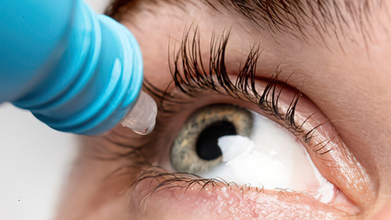
More than 3 million eye drops have been recalled by the US Food and Drug Administration (FDA) over sterility concerns.
The FDA, in its Enforcement Reports, stated that the products recalled “lack assurance of sterility.”
While so far, there are no reports of injuries associated with the eye drops, the FDA notice classified the action as a “Class II recall.”
Class II recalls apply to products that can cause “temporary or medically reversible” health problems.
The 3,111,072 products were manufactured by California-based K C Pharmaceuticals and were sold under names such as “Dry Eye Relief Eye Drops,” “Sterile Eye Drops,” and “Artificial Tears Sterile Lubricant Eye Drops,” according to the FDA notice.
California-based K C Pharmaceuticals made the voluntary recall of the eye drops in early March.
The eight types of eye drop products were sold at major retailers, including CVS, Walgreens, and Rite Aid. They have expiration dates ranging from April to October.
Eye Drop Recall: Implications For Patients
“The recall is very large, potentially affecting over a million people,” said C. Michael White, clinical pharmacologist and pharmacist at the University of Connecticut, in a Commentary published in The Conversation.
He added that “using nonsterile eye drops that harbor bacteria and fungus can cause eye infections, which can become severe because the immune system has a hard time accessing the eyeball and fighting the microbes”.
However, other experts stated that infections from eye drops are rare. Notably, the current voluntary recall has not reported any infections to date.
According to Jeffrey H. Ma, an ophthalmologist at the University of California-Davis Health, people with dry eyes must use preservative-free drops that come in disposable single-use vials. He advised people to dispose of any eye drops included in the recall.
“Drops that are not on the recall list should be safe to use,” said Ma. “If you have any of the drops on the list, you should immediately throw them away.”
How To Avoid Common Eye Infections
Beyond contaminated eye drops, several common eye infections can be triggered by environmental factors such as sun exposure, dust, and dirt—especially among people who work outdoors or spend long hours in front of screens.
“Conjunctivitis, known as pink eye, is the most common type of eye infection,” Ma said. Pink eye is estimated to affect about six million people every year.
“It is usually viral or bacterial, and is transmitted through direct contact, such as touching or rubbing your eyes after touching a contaminated item,” Ma added.
Contact lens wearers also have a higher risk of eye infections, particularly if they sleep in their lenses.
Symptoms of an eye infection include:
- blurry vision
- discharge
- pain or discomfort
- redness of the eyelid or eye
- feeling like there is something in the eye
- increased sensitivity to light
Experts urged investing in good sunglasses with ultraviolet protection and maintaining proper hygiene, such as washing hands before touching the lenses.
"For those who are using computers a lot, you need to blink your eyes constantly, take breaks in between, and drink a lot of water. Dehydration is also a contributing factor to dry eye," Dr Anita Sethi, who is Principal Director and HOD Ophthalmology, Max Multi Specialty Centre at Panchsheel Park.
She also recommends using zero-number protective glasses and computer glasses that can decrease strain and dry eye.
While advising people to stay away from natural remedies like turmeric or ginger put inside the eye, Dr Sethi urged people to consume more “foods rich in vitamin E, antioxidants” to maintain eye health.
- Follow Us :


© 2024 Bennett, Coleman & Company Limited