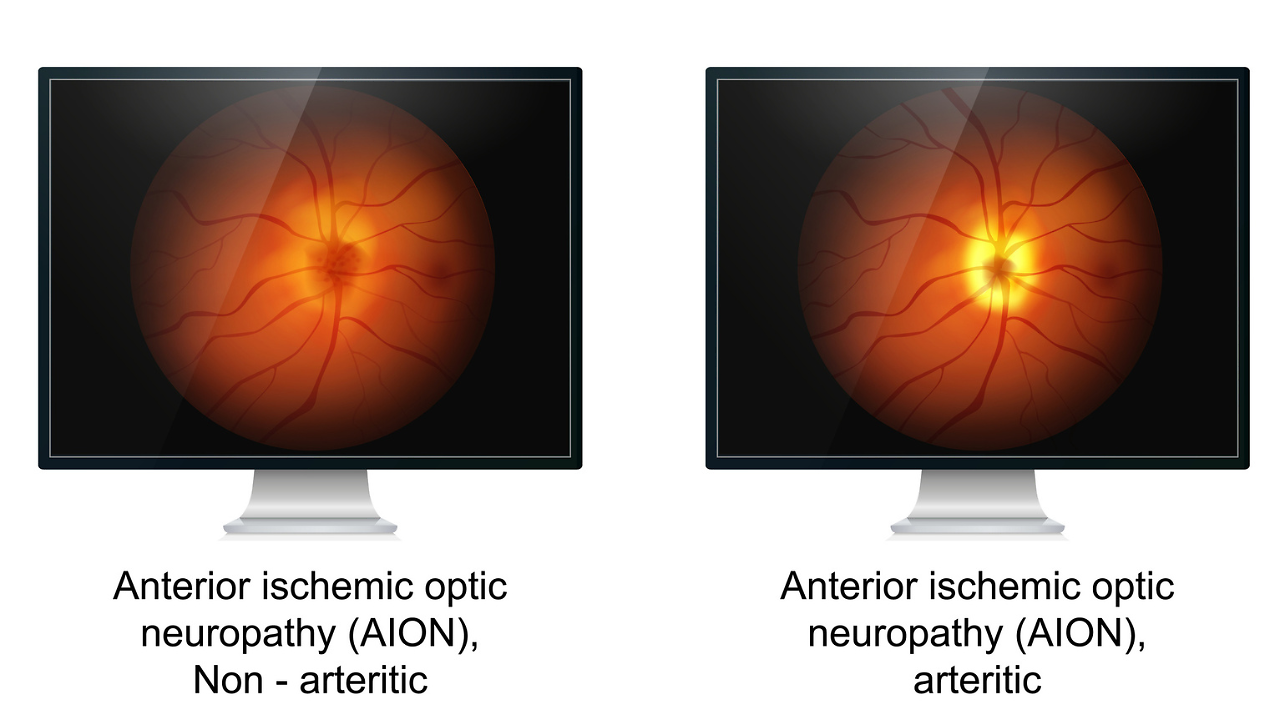
Amid increasing reports of a rare form of sudden vision loss called nonarteritic anterior ischemic optic neuropathy (NAION) following the use of drugs such as Ozempic, Wegovy and Mounjaro, the U.S. Food and Drug Administration (FDA) has ordered GLP-1 drugmakers Novo Nordisk and Eli Lilly to add warnings about the potential eye risk to their drug labels.NAION can cause sudden, painless vision loss in one eye and, in some cases, permanent impairment.In a Drug Safety Communication, the FDA informed patients and healthcare providers about the potential increased risk associated with these medicines. It is requiring manufacturers to include information about NAION in the Warnings and Precautions section of their drug labels.The agency said it evaluated clinical trial data, animal studies and post-marketing evidence, including observational studies and case reports.GLP-1 Users File Lawsuits Over Vision LossAlso read: Hundreds Of American GLP-1 Users Sue Novo Nordisk, Eli Lilly Over Vision Loss: What Is NAION?The FDA action comes amid lawsuits filed by people who allege they developed NAION after taking GLP-1 drugs such as Ozempic and Wegovy.According to The Wall Street Journal, US law firm Weitz & Luxenberg has filed more than 90 lawsuits in New Jersey state court since 2025 on behalf of people who say they developed the condition while taking these medicines.Separate federal lawsuits in Philadelphia accuse Novo Nordisk and Eli Lilly of failing to provide adequate warnings about the potential eye risk. The cases are pending. The allegations do not establish that the medicines caused the condition.Regulators in Europe and Australia have also required warnings about a possible increased risk of NAION with some GLP-1 medicines.In the US, vision problems are listed as possible side effects, but NAION had not previously been included as a specific risk in FDA-required labelling. The FDA's Sentinel Initiative is also reviewing the possible safety signal.What Is NAION?NAION is the most common acute optic neuropathy in people over 50, according to the Mayo Clinic. It occurs when blood flow to the optic nerve is reduced, damaging the nerve that carries visual information from the eye to the brain.The condition typically causes sudden, painless vision loss in one eye. While some patients may experience partial improvement, the damage can be permanent. There is currently no proven treatment to reverse the vision loss.Diabetes itself increases the risk of NAION, independent of GLP-1 use. Other risk factors include low blood pressure during sleep and having a small optic nerve cup.What Does Research Say About The Risk?Read More: Wegovy More Likely To Cause Rare Blindness Than Ozempic And Other Similar Drugs, Recent Study FindsThe potential association between GLP-1 medicines and NAION has been under regulatory review internationally.Last year, the European Medicines Agency's safety committee said NAION may affect up to one in 10,000 people taking semaglutide for at least one year. Semaglutide is the active ingredient in Ozempic, Wegovy and Rybelsus.The Danish Patient Compensation Association also granted compensation to four patients who experienced vision loss after using Novo Nordisk's GLP-1 medicines.A large study published in 2025 tracked nearly 175,000 people with diabetes taking semaglutide and an equal number taking non-GLP-1 medicines. It found that the risk of NAION was more than twice as high after two years of treatment with semaglutide compared with other diabetes medicines.However, an observed association does not establish that the medicines directly caused the condition.The FDA routinely monitors medicines after they enter the market, evaluates potential safety signals and takes regulatory action when appropriate.