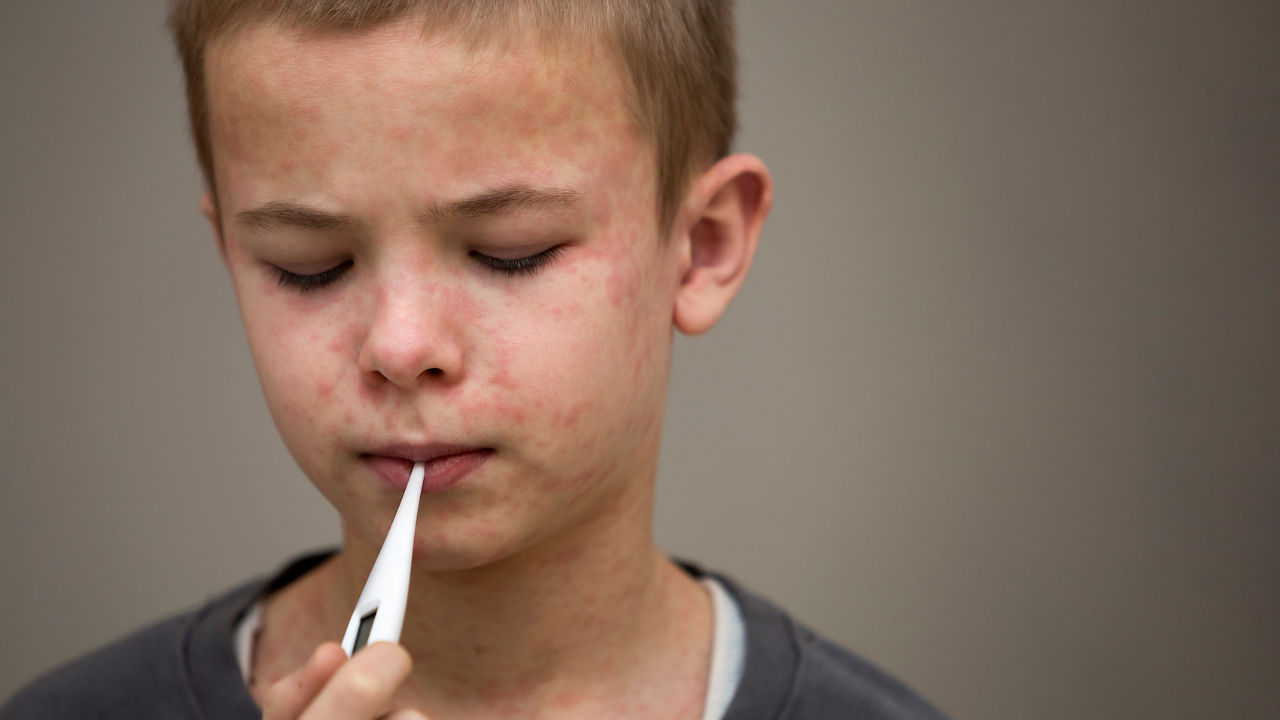
Pennsylvania’s measles outbreak has crossed 700 cases, with the state reporting 731 cases, four measles-associated deaths and 141 hospitalizations as of September 16. The four deaths are the first in 35 years in the State and speaks volumes about the severity of the outbreak. The state has also reported measles cases among vaccinated people, although these account for less than 1% of total cases. Pennsylvania Seeks CDC Emergency SupportThe Pennsylvania Department of Health has requested emergency assistance from the US Centers for Disease Control and Prevention (CDC), known as an Epi-Aid, according to a letter reviewed by Reuters. However, the request is tied to a dispute over the CDC’s decision not to publicly recognize the four measles-associated deaths. “The CDC’s choice not to publicly recognize the deaths undermines our response,” Pennsylvania Health Secretary Debra Bogen wrote to CDC Director Erica Schwartz. She said the state would rescind its Epi-Aid request if the CDC could not “transparently and accurately communicate information” about the deaths. Shapiro, Kennedy Clash Over Response The dispute has also triggered a political clash between Pennsylvania Gov. Josh Shapiro and US Health Secretary Robert F. Kennedy Jr. Shapiro accused Kennedy of fueling vaccine skepticism, while Kennedy said Shapiro had declined federal assistance. Kennedy has also said the CDC’s MMR recommendation remains unchanged. “CDC’s MMR recommendation remains unchanged. I have repeatedly stated that MMR vaccination is the most effective way to prevent measles infection,” he said. Shapiro said Pennsylvania would accept federal assistance but called on Kennedy and the CDC to recognize the four deaths. Why CDC Is Not Counting The Deaths The CDC is now using data from the National Center for Health Statistics (NCHS) to track measles deaths, according to a September 4 agency note. Previously, it used the National Notifiable Diseases Surveillance System (NNDSS) to report such data. “CDC will report measles deaths if and when the National Center for Health Statistics reports measles as the underlying cause of death,” said Emily Hilliard, a US Department of Health and Human Services spokesperson. The CDC’s 2026 tally currently shows no measles deaths because NCHS does not yet have records listing measles as the underlying cause. Measles Can Cause Serious Complications Measles can cause complications including pneumonia and brain swelling. Nearly 20% of people who contract measles are hospitalized, while death, though rare, occurs in one to three patients per 1,000 cases. The virus spreads through respiratory droplets and can remain infectious in the air and on surfaces for up to two hours. Symptoms include fever, cough, runny nose and red, watery eyes, followed by a rash that typically begins on the head and spreads downward. Symptoms can appear 7 to 21 days after exposure. MMR Vaccine Remains The Best Protection The best protection against measles is vaccination. Two doses of the MMR vaccine provide 97% protection against measles, according to the Pennsylvania Department of Health. People with two documented doses generally do not need another. Those with only one dose or without vaccination records should speak with a healthcare provider or pharmacist.